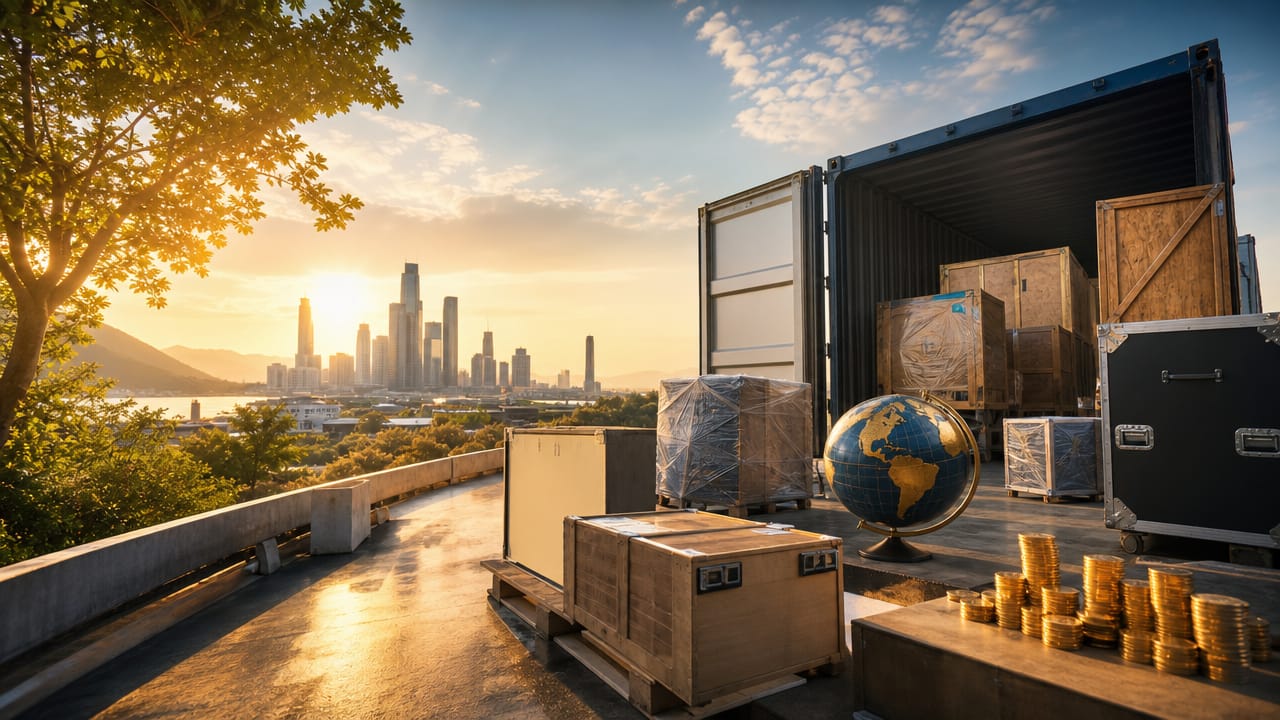
Australian exhibitors are increasingly feeling the sting of hidden exhibition freight costs as supply chains tighten and venues impose stricter handling rules. What often begins as a simple quote for exhibition transport can quickly snowball into a maze of access fees, handling charges and deadline surcharges. Without a clear exhibition freight cost breakdown, marketing and events teams risk locking in budgets that bear little resemblance to the final invoice.
On paper, exhibition freight looks straightforward: move stands, samples and marketing collateral from warehouse to venue and back again. In reality, trade show logistics is shaped by freight mode, volumetric weight, delivery windows, customs rules and venue loading dock freight access. Air freight used to fix last‑minute problems may appear convenient but can destroy already stretched budgets. For businesses chasing australian trade show freight pricing certainty, the real issue is not the rate per kilo, but the long list of extras that follow.
Even well‑resourced teams can underestimate how distance, destination and timing affect exhibition freight. Metro‑to‑metro domestic moves are one thing; regional venues or offshore hubs add line‑haul, terminal and brokerage fees that rarely appear in early planning spreadsheets. Local organisers also report rising costs for on‑site handling, especially where union rules or exclusive contractors control equipment and labour. When interstate exhibition transport quotes only highlight base transport, decision‑makers can be lulled into a false sense of security.
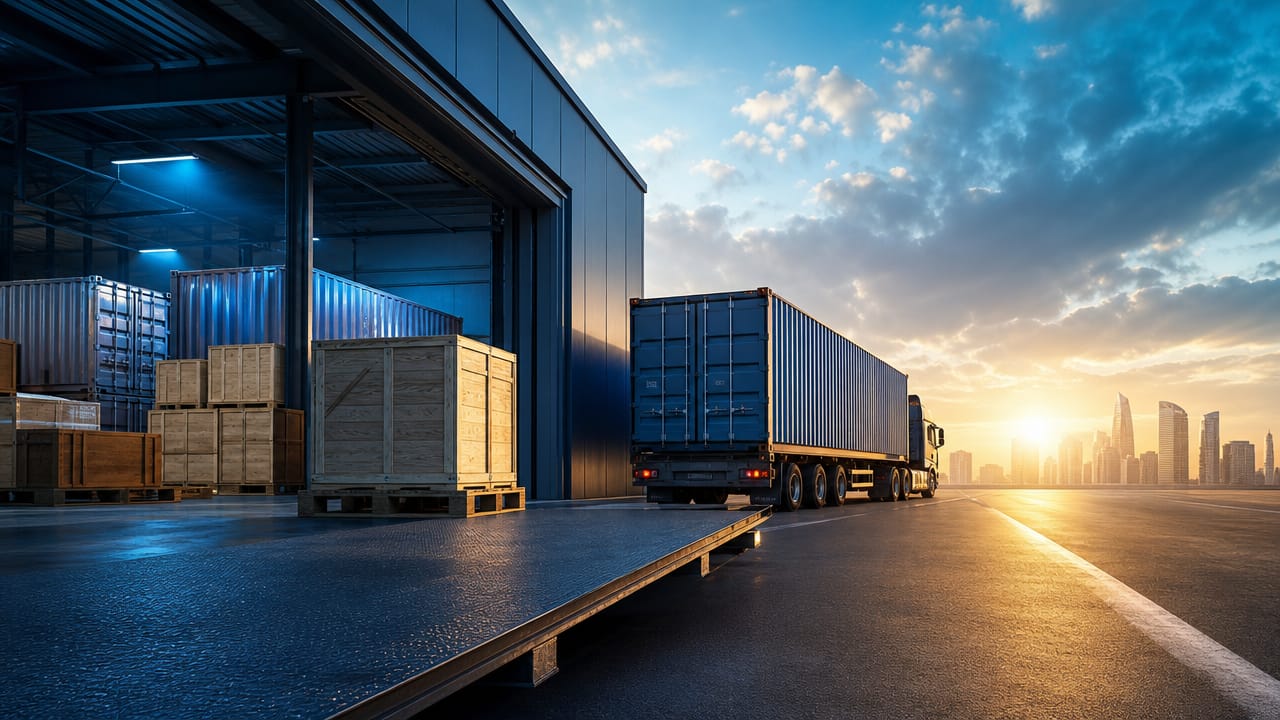
Cost blowouts often emerge from line items that sit outside standard transport rates. Material handling or drayage fees, charged simply for moving freight from dock to stand, can rival the original trucking bill. Time‑specific deliveries to match narrow bump‑in windows attract penalties for missed slots or waiting time when docks are congested. Meanwhile, warehouse storage for exhibition stands before and after events becomes a quiet drain, especially when show dates shift or containers arrive early.
The commercial risk goes beyond one expensive shipment. Unplanned logistics costs can wipe out projected event ROI, particularly for SMEs investing heavily in flagship trade shows. When stands or samples arrive late, teams face empty floors, lost leads and awkward explanations to stakeholders. Poorly planned event logistics and freight planning also increases compliance exposure, from incorrect customs paperwork to undeclared biosecurity risks. For many brands, the turning point comes after one badly managed show highlights how fragile their current process is.
Australian organisers say a more rigorous approach to Exhibition Logistics and Freight is emerging as events return at scale. Early engagement with specialists allows businesses to stress‑test budgets, compare modes and interrogate every likely charge from packaging to on‑site handling. For any organisation unsure how their exhibition spend breaks down, now is the time to review your process, map the risks in your current exhibition freight model and speak with a logistics expert before your next show cycle locks in costs you can no longer control.
Input your search keywords and press Enter.