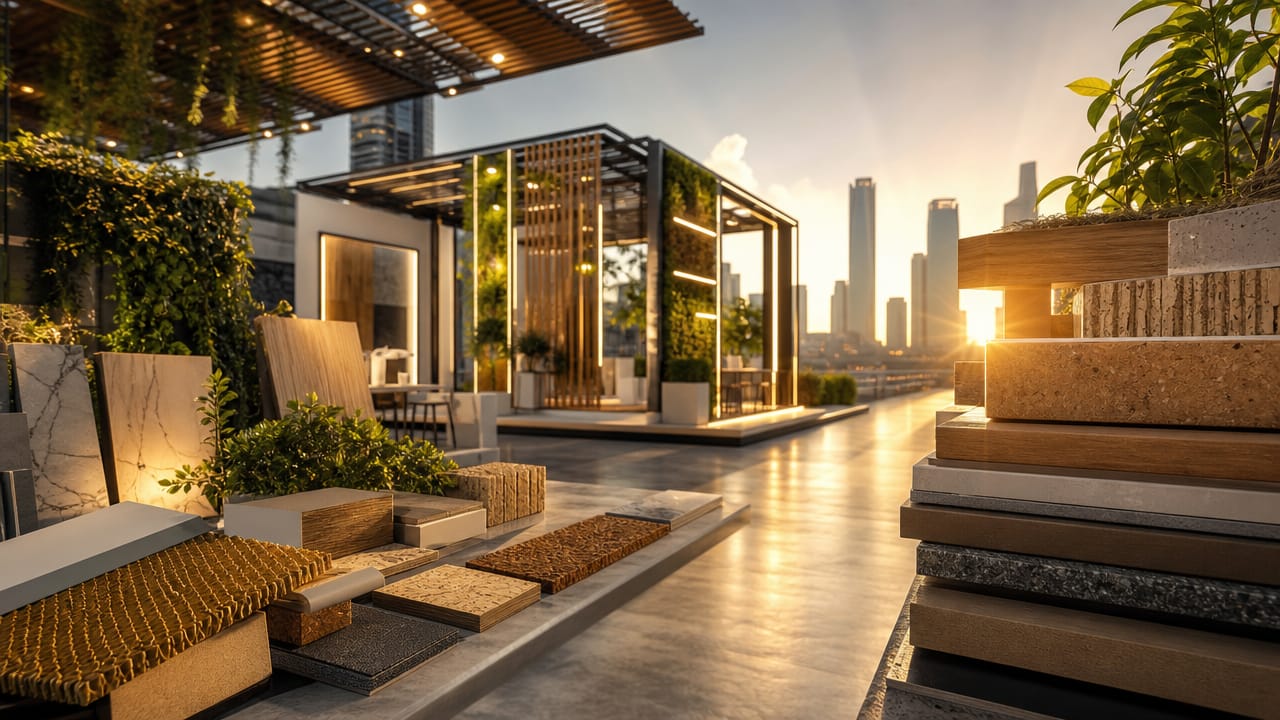
Australia’s exhibition circuit is fiercely competitive, and material choices can quietly undermine even the strongest concept. The primary keyword here is Material Choices, and treating it as a logistics detail rather than a strategic decision can inflate costs, delay installation, and weaken brand impact. In venues like ICC Sydney and the Melbourne Convention and Exhibition Centre, stand builders and marketers are discovering that the wrong materials lead to frustrating compromises and mounting hidden expenses.
Many teams still prioritise shape, colour and layout over the fundamentals of material performance. Heavy substrates may look impressive, but they can blow out freight budgets and require extra labour for bump-in and bump-out. At the other end of the spectrum, flimsy exhibition stand materials deteriorate after a single show, forcing expensive repairs or full rebuilds. This gap between visual ambition and material reality is where budgets and brand consistency start to fray.
When material strategy is overlooked, every event can feel like starting from scratch. Freight invoices creep up as stands gain weight, while lightweight stand construction that was never engineered for repeated use begins to warp and buckle. Teams chasing clever exhibition stand ideas can find themselves constrained by panels that won’t align, graphics that bubble, and structures that can’t be safely reconfigured for different floor plans. Over a full event calendar, these inefficiencies quietly erode ROI.
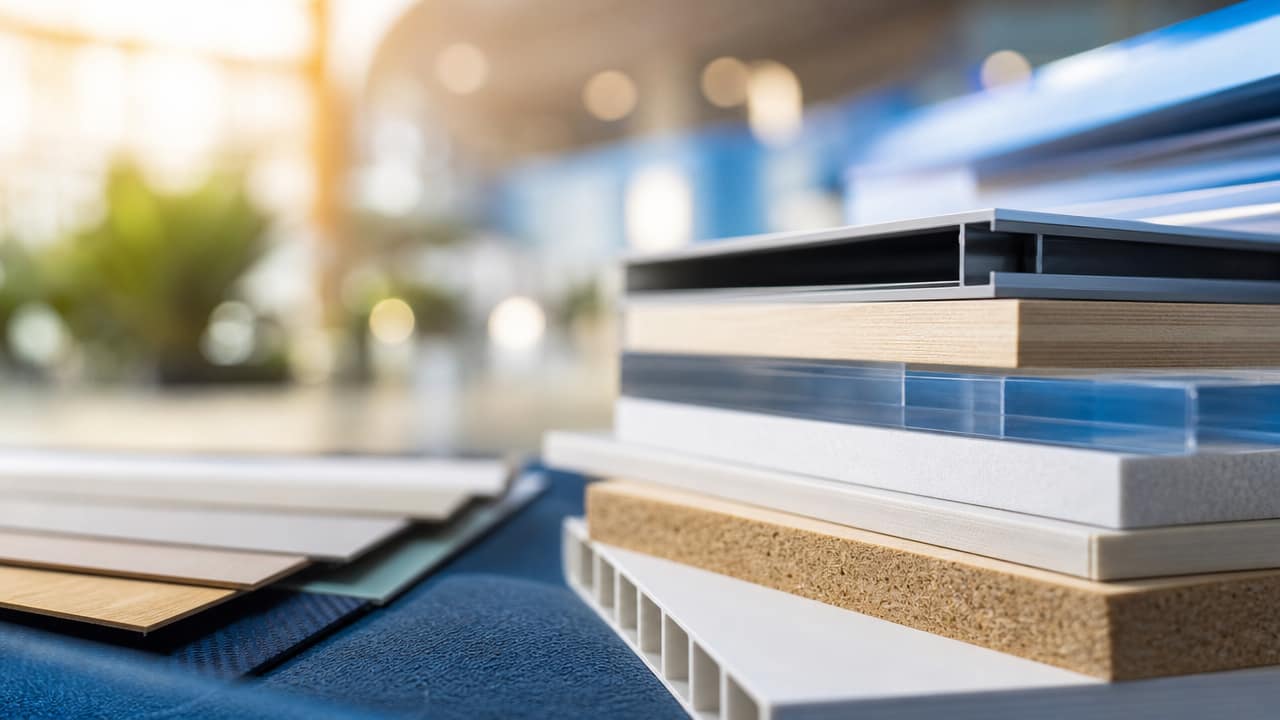
A growing risk in Australia is overlooking fire compliance under AS 1530 and the National Construction Code. Untreated fabrics, foams and timber exhibition displays can fail venue checks, triggering last-minute substitutions or forced closures of stand areas. At the same time, chasing “green” credentials with cardboard or raw ply that needs constant replacement undermines sustainability claims. Poorly specified modular booth materials can also yellow or crack under strong lights, weakening perceived quality and trust in the brand.
These warning signs often point to decisions made on upfront price rather than total cost of ownership. When exhibition booth design is disconnected from engineering and venue realities, teams end up firefighting issues show after show. By contrast, treating Exhibition Stand Design as a holistic exercise that integrates structural planning, material science and logistics can transform custom exhibition stands into long-term assets rather than disposable one-offs.
If you are noticing chipped edges, inconsistent finishes or rising installation times, now is the moment to review your material strategy before the next season. Speak with an experienced exhibition partner about load limits, reuse cycles and smarter Material Choices that suit Australian venues and travel distances. Assess your current stand against these risks, then book a consultation to refine your materials plan so every dollar you spend works harder across future events.
Input your search keywords and press Enter.