



Crafting the perfect exhibition stand brief is fast becoming a critical skill for Australian marketers facing crowded trade show calendars and rising build costs. A clear, strategic document helps agencies and builders turn brand ambition into a stand that delivers measurable outcomes on the show floor. This exhibition stand briefing guide explores the practical options available to teams looking to sharpen their planning and avoid costly misunderstandings.
At its core, a strong brief clarifies why you are exhibiting, who you want to reach and how success will be measured. For many local marketers, the pressure of trade show preparation means objectives are rushed, leading to stands that look impressive but miss key metrics. Defining specific exhibition stand objectives planning, such as qualified leads, demos booked or media engagements, gives designers and project managers a clear target and ensures every square metre of space works harder for the brand.
Specialist exhibition agencies recommend treating the brief as a structured decision-making tool rather than a simple wish list. A thorough document will cover brand positioning, priority messages, audience segments, trade show stand requirements, budget parameters and preferred materials or finishes. Many Australian teams now use an exhibition planning checklist to capture functional needs such as storage, hospitality, product display and digital engagement, reducing the risk of late changes once the build is underway.
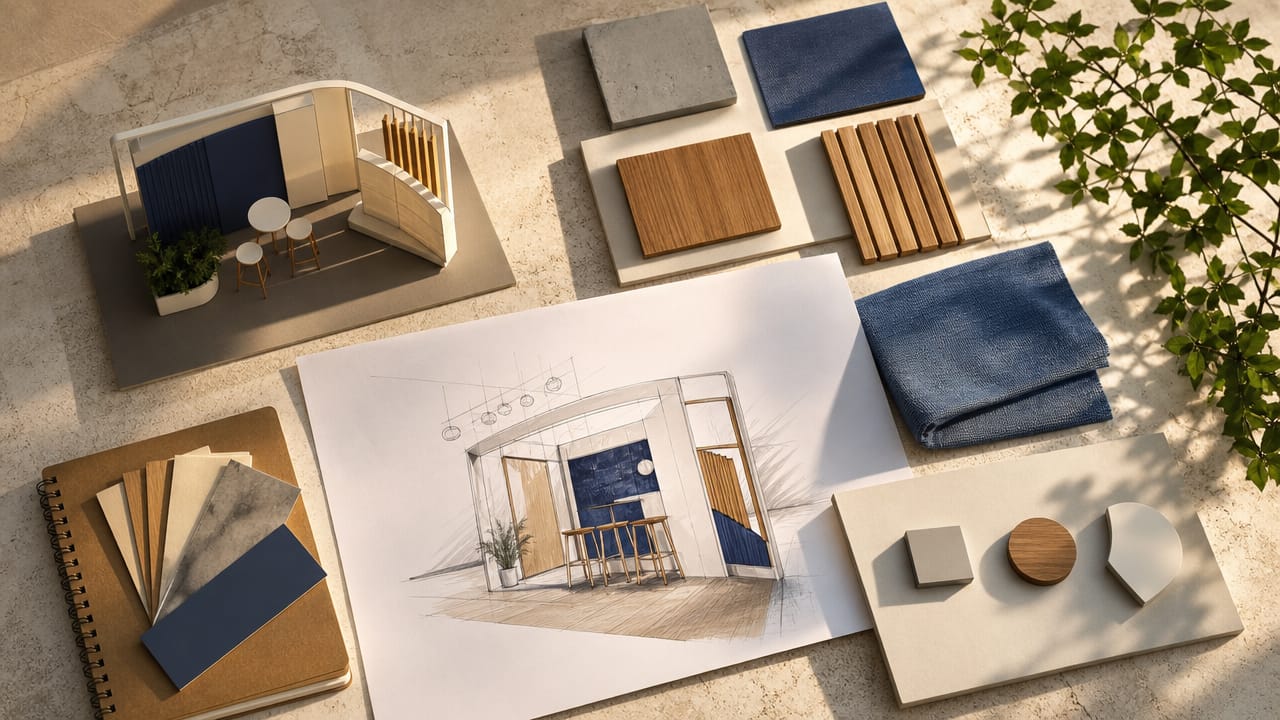
For Australian exhibitors, aligning the brief with an exhibition planning timeline is just as important as the creative content itself. Long shipping lead times, venue regulations and labour constraints mean decisions need to be locked in early, often against an australian trade show timeline that stretches several months. Clear exhibitor planning responsibilities, from content approvals to pre-exhibition staff planning, help ensure the stand is ready for handover, with enough time left for testing technology, rehearsing demos and final safety checks on site.
As competition intensifies on show floors across Sydney, Melbourne and Brisbane, exhibitors are turning to expert partners to translate strategy into practical stand solutions. A detailed brief supports more accurate quotations, encourages more innovative design responses and reduces last-minute compromises. For teams juggling multiple events each year, a reusable exhibition stand briefing guide can streamline future projects and keep every stand aligned with long-term brand and commercial goals. To compare your options and refine your next brief, speak with a specialist and map out a clear, solution-focused path from concept to completed stand.
Input your search keywords and press Enter.