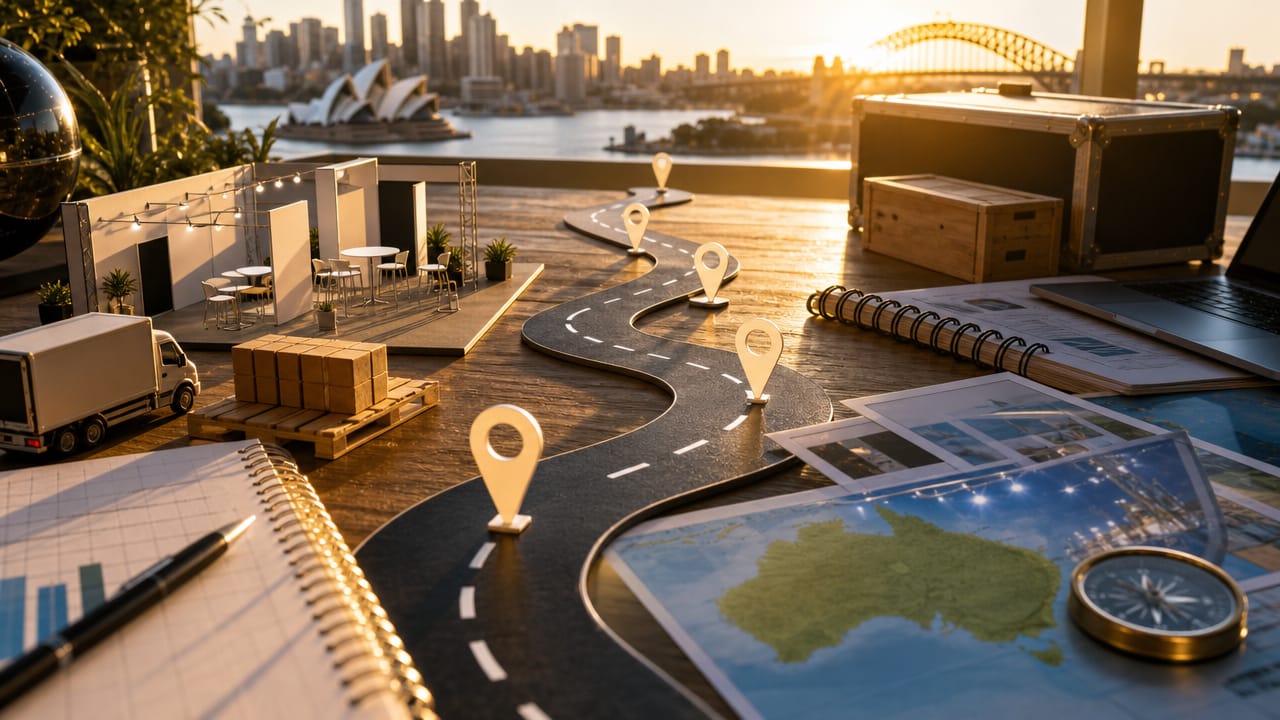
Preparing for a trade show in Australia is increasingly complex, with tight venue rules, higher travel costs and long freight lead times pushing exhibitors to adopt a more strategic, solution-focused approach. An effective australian trade show timeline turns a single event into a structured program, aligning sales goals, marketing activity and logistics under one clear Exhibition Stand Planning framework. Rather than scrambling in the final weeks, exhibitors are now mapping decisions months in advance to protect budgets and ensure ROI.
Modern trade show preparation hinges on choosing the right planning tools and partners, then integrating them into a single exhibition planning checklist. Some teams rely on internal project managers and cloud-based task trackers, while others engage specialist exhibition agencies to coordinate stand design, freight and on-site services. The most resilient strategies combine both: in-house ownership of objectives, supported by external experts who understand local regulations, Australian venues and category-specific audiences.
A structured exhibition planning timeline typically starts 9–12 months out, beginning with show selection, stand size decisions and early floor-space bookings in Sydney, Melbourne or Brisbane. From there, exhibitors define sales targets, audience profiles and stand concepts, then lock in local builders and AV providers by the six-month mark. This timeline for expo readiness continues with firm orders, pre-show marketing and staff training between three and six months, minimising risk of last-minute compromises on design, technology or travel.
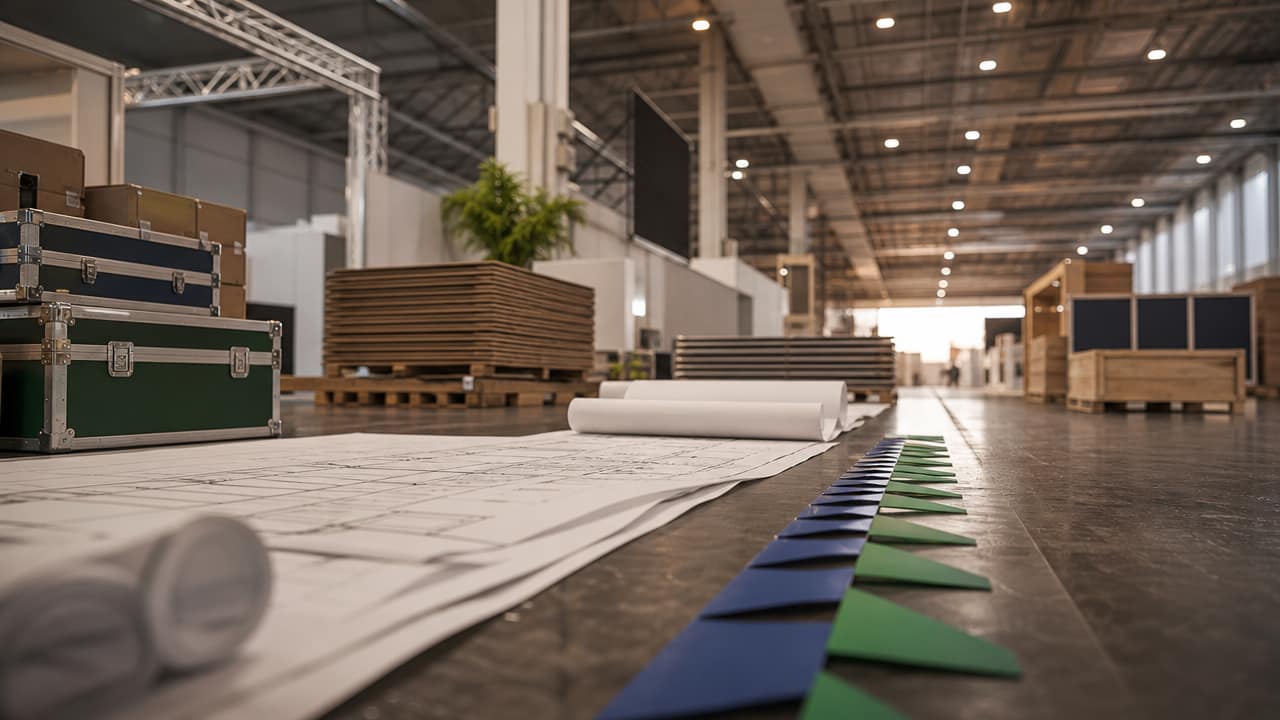
Different teams favour different tools, from simple spreadsheets through to specialist project platforms tailored to exhibitor planning milestones. A structured pre-show planning checklist will usually cover stand design approvals, contractor booking, power and rigging orders, product selection and content creation. More advanced operators add a pre-exhibition task list for sales and marketing, mapping email sequences, social posts, appointment setting and media outreach to key dates in their event preparation schedule so that every activity supports measurable pipeline goals.
For many exhibitors, the most difficult decision is how much of the workload to manage internally versus outsourcing to specialists who can coordinate an integrated Exhibition Stand Planning solution. Factors to weigh up include internal resourcing, experience with freight and customs, and the complexity of the stand concept. Working with experienced Australian partners helps de-risk tight bump-in windows, while a clear exhibition planning checklist ensures nothing falls through the gaps between marketing, sales and operations. To choose the right mix of tools and support, consider running a short internal debrief after each show, refining your exhibition planning timeline before the next event. Finally, if you want to benchmark options or pressure-test your approach, booking a consultation with an independent exhibition expert can reveal blind spots and help you design a more effective, future-proof australia trade show checklist for upcoming shows.
Input your search keywords and press Enter.