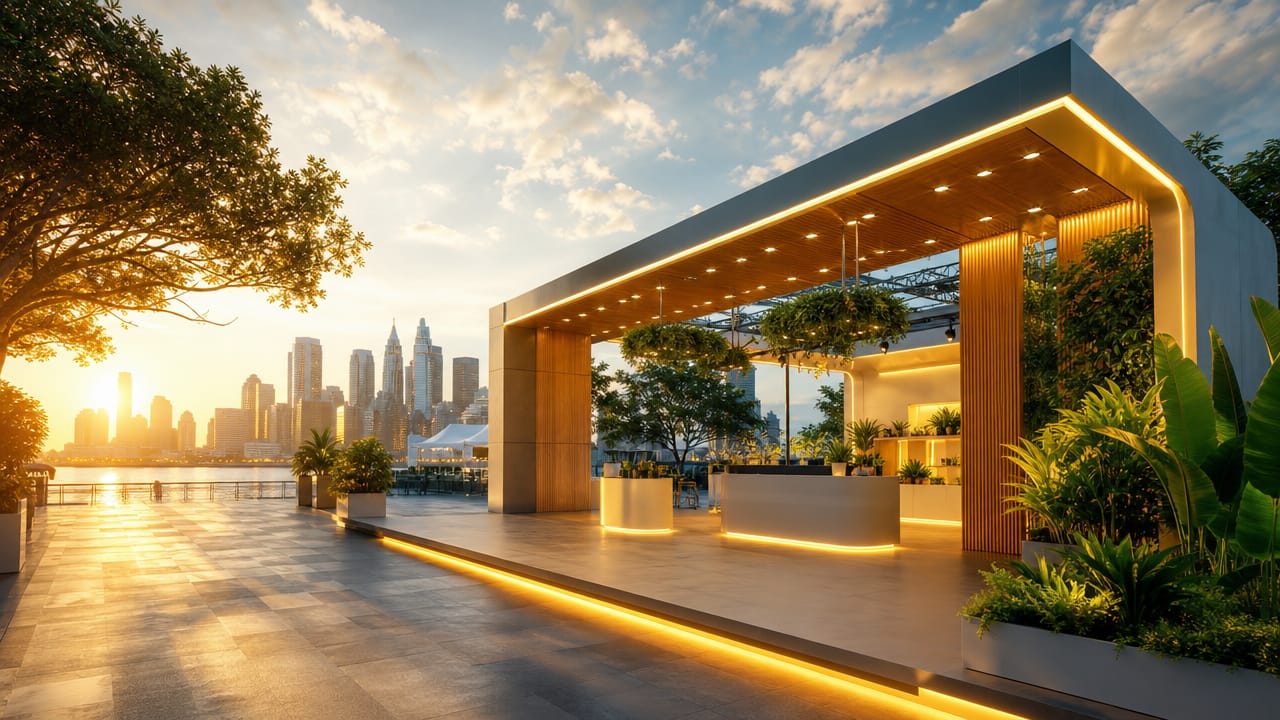
Lighting Techniques: Enhancing Stand Atmosphere and Appeal
Lighting techniques have become central to how Australian visitors perceive and remember trade show displays, particularly in crowded venues across Sydney, Melbourne and Brisbane. When planned carefully, lighting techniques can guide sightlines, highlight key messages and create an atmosphere that encourages people to slow down, explore and start conversations. For brands competing for attention, the right balance between functional brightness and dramatic effects is often what separates a forgettable stand from a genuine showstopper. Marketers now see lighting as a strategic layer of storytelling, not just a technical add-on.
Most successful exhibition booth design strategies start by combining four lighting layers: ambient, accent, task and decorative. Ambient lighting sets a comfortable base level using even, low-glare LEDs that make the stand feel open and approachable from the aisle. Accent lighting is then added to create focus, with spotlighting product displays, hero walls or key calls-to-action so visitors instinctively know where to look first. Task lighting supports practical activities such as demos, sampling and meetings, making it easier for staff to present details clearly and maintain eye contact. Decorative elements, including illuminated branding features and creative exhibition lighting design, supply the drama and personality that make the space distinctive without sacrificing clarity.
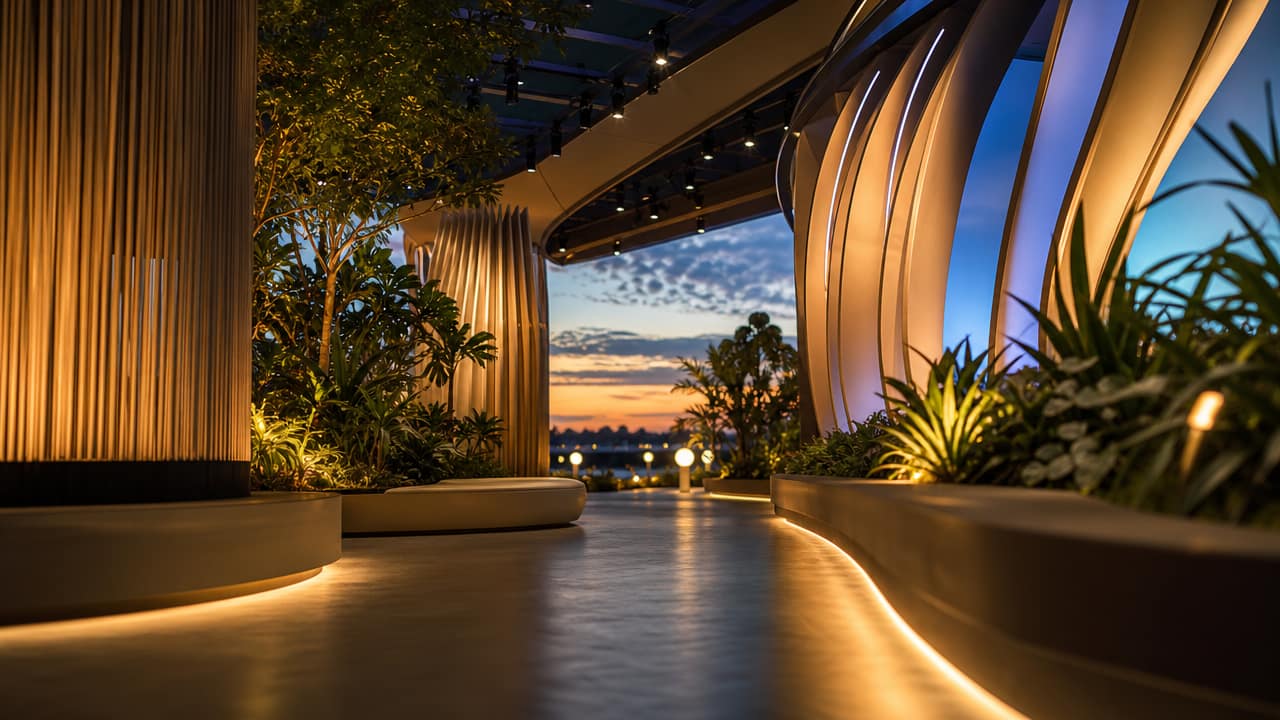
Beyond brightness, colour temperature and movement strongly influence mood lighting for exhibition booths. Cooler white tones can reinforce a high-tech, clinical or precision-focused story, while warmer whites suit hospitality, tourism and lifestyle brands aiming for comfort and connection. Coloured washes and backlit graphics for trade shows are often mapped to brand palettes, helping visitors recognise familiar logos from across the hall. Some marketers are trialling LED accent lighting ideas synced to content loops or product launches, while others test interactive lightbox displays that respond to motion. The key is restraint: dynamic effects should support engagement and wayfinding, not distract from conversations or strain visitors’ eyes.
For many organisations, partnering with a specialist in Exhibition Stand Design is the most efficient way to coordinate lighting with structure, graphics and AV content. Experienced providers can model lux levels, recommend spotlighting angles, and integrate illuminated details into walls, counters and signage. They can also advise on energy-efficient fittings, emergency lighting compliance and how to reuse components across multiple events to protect budgets and ESG commitments. When shortlisting partners, marketers should request examples of past exhibition stand lighting solutions, including case studies from Australian venues and photos of custom exhibition stands in full operation. A consultative expert can then help tailor lighting techniques to specific audiences, sectors and show formats.
Australian exhibitors weighing up their next move should treat lighting as a strategic investment rather than a last-minute expense. Comparing options such as simple rental rigs, semi-custom packages and fully integrated exhibition booth design solutions will clarify what best fits budget, brand and workload. Speaking with a specialist can reveal innovative approaches, from subtle exhibition stand ideas to bold, high-impact statements that still respect safety and energy regulations. If you are planning an upcoming trade show, now is the ideal time to request expert advice, review concept visuals and lock in a lighting strategy that supports measurable results.
Input your search keywords and press Enter.