Best Practices for Managing Freight Access at Event Venues
Best Practices for Managing Freight Access at Event Venues matter more than ever as Australian exhibitions expand in scale and complexity. Major convention centres in Sydney, Melbourne and Brisbane now manage hundreds of stands, multiple contractors and compressed bump-in schedules. When freight planning is left to the last minute, truck queues spill onto surrounding roads, councils intervene and neighbours complain. What looks like a simple exhibition freight task quickly escalates into a reputational, commercial and safety challenge for organisers and venues.
The early warning signs of freight trouble are usually visible weeks out from an event. Dock schedules live in isolated spreadsheets, updates travel via text messages, and no-one owns final responsibility for venue loading dock procedures. Exhibitors receive conflicting instructions about delivery times, paperwork and access routes. Carriers arrive outside timed delivery windows for exhibitors because they are juggling multiple drops across the city. By the time trucks are banked up at the gate, it is too late to redesign the plan.
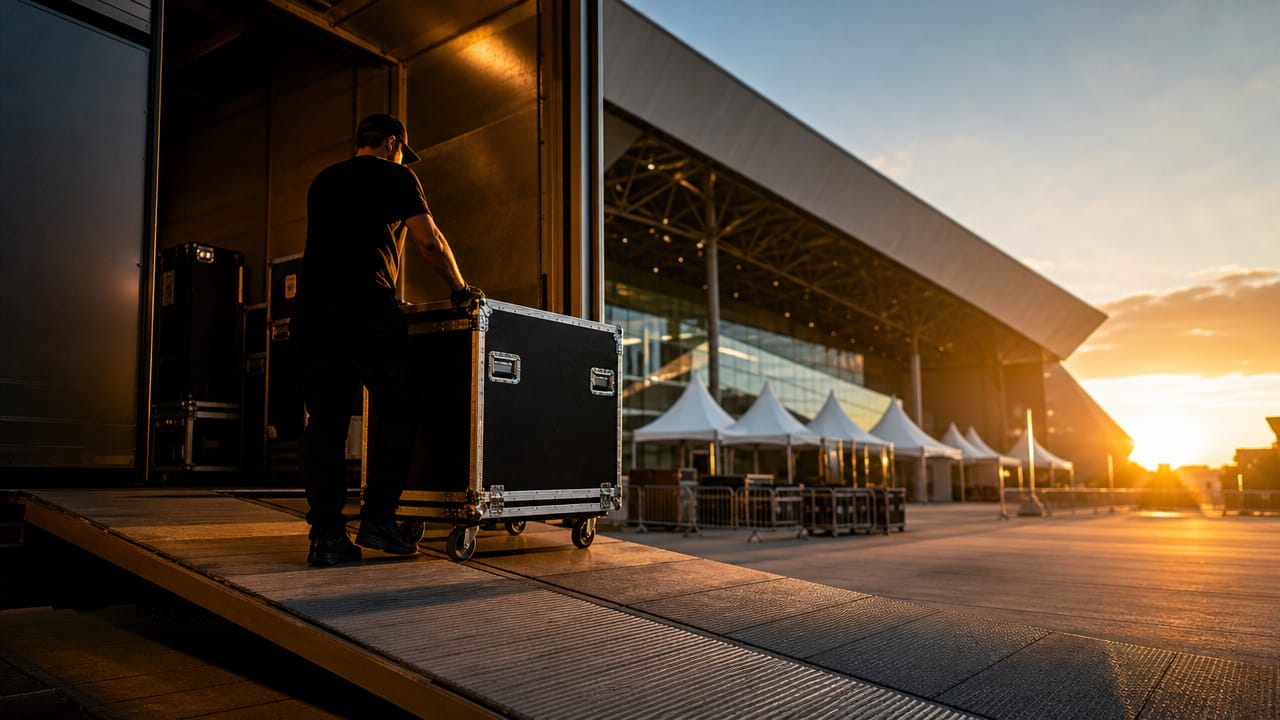
Breakdowns in access rarely stem from one mistake; they come from fragmented trade show logistics planning. Individual exhibitors book their own exhibition transport, overseas suppliers rely on generic GPS directions, and carriers arrive without knowing staging rules inside the dock. Interstate exhibition freight planning adds further complexity when linehaul schedules clash with local curfews or CBD access limits. Without clear rules on on-site storage for display crates, aisles and loading zones quickly become congested, slowing every subsequent movement.
When these issues compound, the impact extends beyond one show cycle. Exhibitors complain about late freight and poor packing guidelines for exhibition stands, and some reconsider their participation. Venues face questions about WHS compliance and whether their systems can handle future growth. Engaging specialist partners in Exhibition Logistics and Freight enables organisers to align dock booking systems, traffic control and communication with carriers. For many teams, this is the shift that turns an annual stress point into a predictable, auditable operation.
Now is the time to review your recent bump-in experiences and ask whether your current approach will cope with the next major show. Examine incident reports, delivery trends and how consistently staff follow venue loading dock procedures. If patterns of delay, confusion or safety near-misses are emerging, seek guidance from an experienced logistics professional before your next season. A proactive conversation about best practice can protect your brand, support exhibitors and ensure your venue remains a preferred choice for large-scale events across Australia.
Input your search keywords and press Enter.