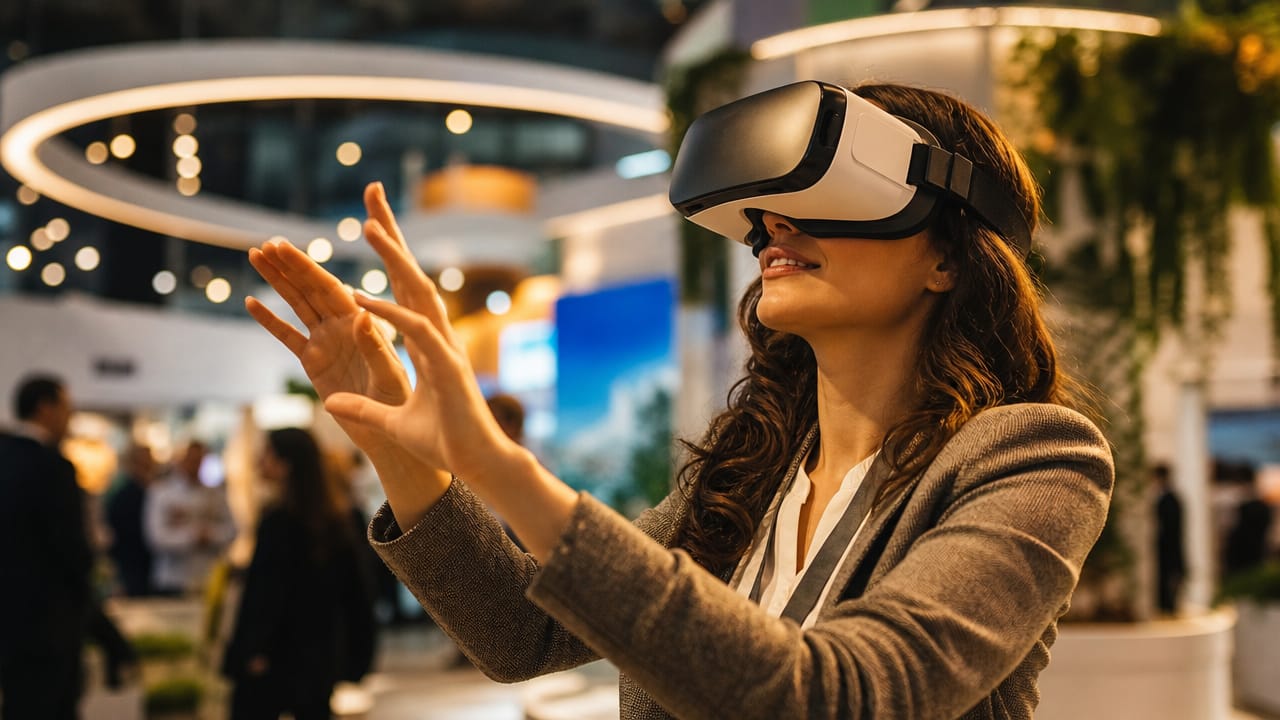
How to Use Virtual Reality to Enhance Trade Show Experiences in Australia is rapidly becoming a frontline question for event marketers under pressure to prove ROI. Across the country, exhibitors are discovering that traditional stands built on banners, brochures and static product displays are struggling to compete with more immersive options on the show floor.
Many Australian businesses still invest heavily in stand space yet rely on old playbooks for exhibition marketing. Visitors drift past, glance at a wall of text or a looping video, and move on without meaningful interaction. In sectors like construction, mining, technology and tourism, complex value propositions are reduced to hurried elevator pitches that rarely stick.
Virtual reality is emerging as a powerful tool for Trade Show Marketing because it lets visitors experience rather than simply observe. Instead of describing a remote mine, hospital or resort, exhibitors can drop prospects into realistic virtual reality exhibition demos that show scale, risk and benefit in seconds. This shift from telling to showing directly tackles short attention spans and noisy environments.
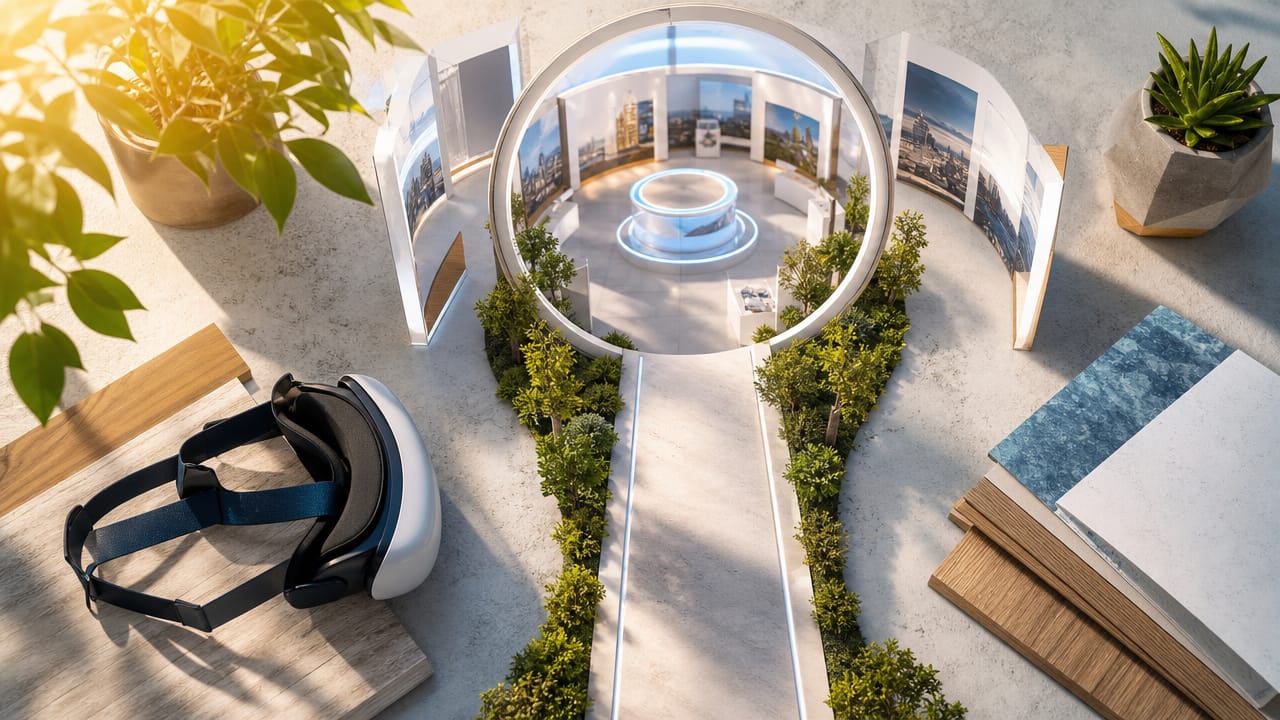
Several red flags suggest it may be time to rethink your approach before the next round of trade show promotion. Crowds gather at neighbouring stands using interactive VR booth experiences while your team fields only brief, surface-level chats. Staff lean on brochures to explain products that really need to be seen in action, and follow-up conversations reveal shallow understanding.
These issues erode event ROI over time, particularly as australian trade show VR trends normalise audience expectations. When prospects repeatedly encounter compelling VR trade show engagement at other stands, purely analogue setups can feel outdated, even if the underlying product is strong and well-tested.
Ignoring this shift poses a strategic risk that goes beyond aesthetics. Brands can appear conservative or risk-averse, which is problematic for sectors competing globally on innovation. Exhibitors also miss opportunities for virtual reality attendee engagement that naturally supports virtual reality lead capture and richer data on visitor interests.
For organisations that rely on exhibitions to open new markets, VR-powered exhibition promotion may soon be less a novelty and more a hygiene factor. Assess whether your current presence reflects your true capabilities, and consider speaking with an experienced event technologist about how virtual reality can reshape your next stand before another show becomes a costly missed opportunity.
Input your search keywords and press Enter.