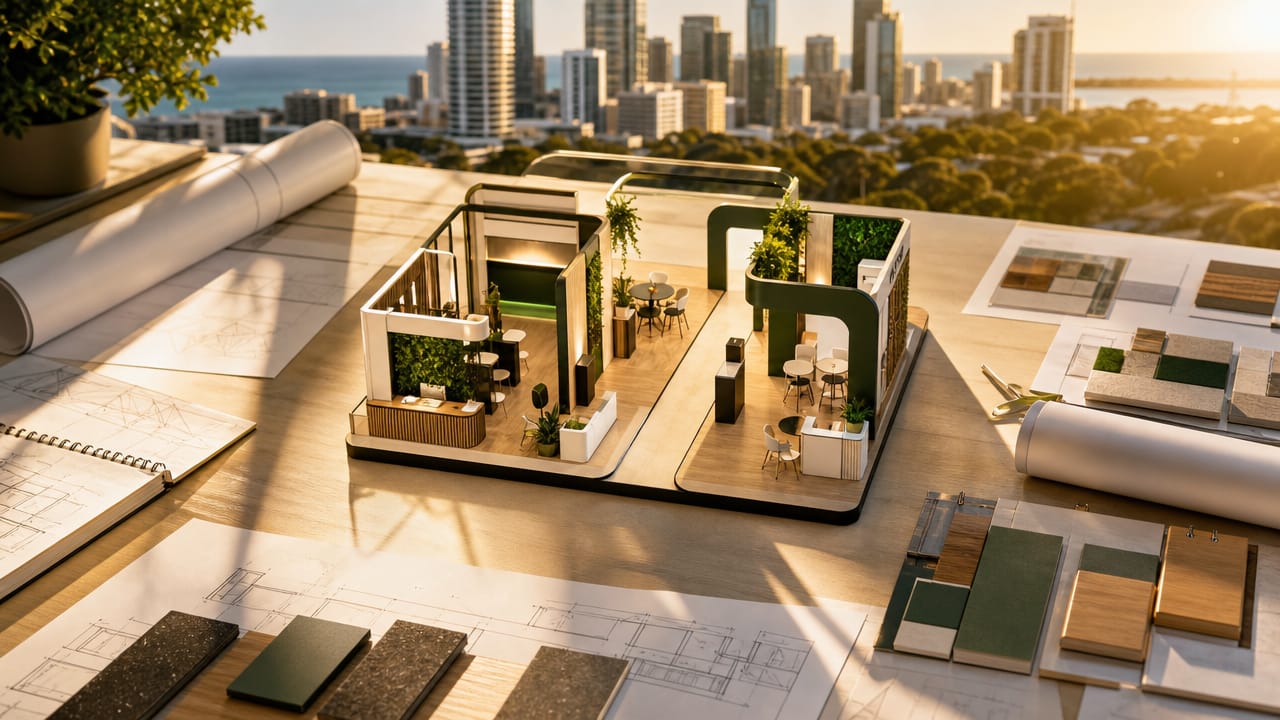
Avoiding a last-minute scramble at a major trade show starts with structured, early Exhibition Stand Planning that fits the realities of Australia’s busy events calendar. Exhibitors who lock in their strategy, suppliers and logistics months ahead typically secure better stand positions, stronger branding and lower overall costs. With top exhibitions at ICC Sydney and the Melbourne Convention and Exhibition Centre selling out premium space quickly, exhibitors need a clear roadmap rather than reacting to looming cut-off dates.
Robust planning is about more than booking floor space; it’s about aligning exhibition objectives and goals with a realistic schedule and budget. Early decisions allow time to compare stand concepts, obtain competitive quotes and avoid rush-loading freight or production. A thought-through exhibition planning timeline also reduces stress on internal teams, who otherwise juggle creative approvals, travel and lead capture tools at the eleventh hour.
Australian exhibitors have three main stand build options, each suited to different campaign goals and budgets. Custom-built stands suit brands chasing maximum impact at flagship events, but they require longer design, engineering and venue approval windows. Modular builds offer a middle ground for companies exhibiting across several cities, combining strong presentation with efficient transport and reconfiguration. Portable systems suit smaller regional shows or first-time exhibitors, though they can limit integrated AV, storage and immersive storytelling opportunities.
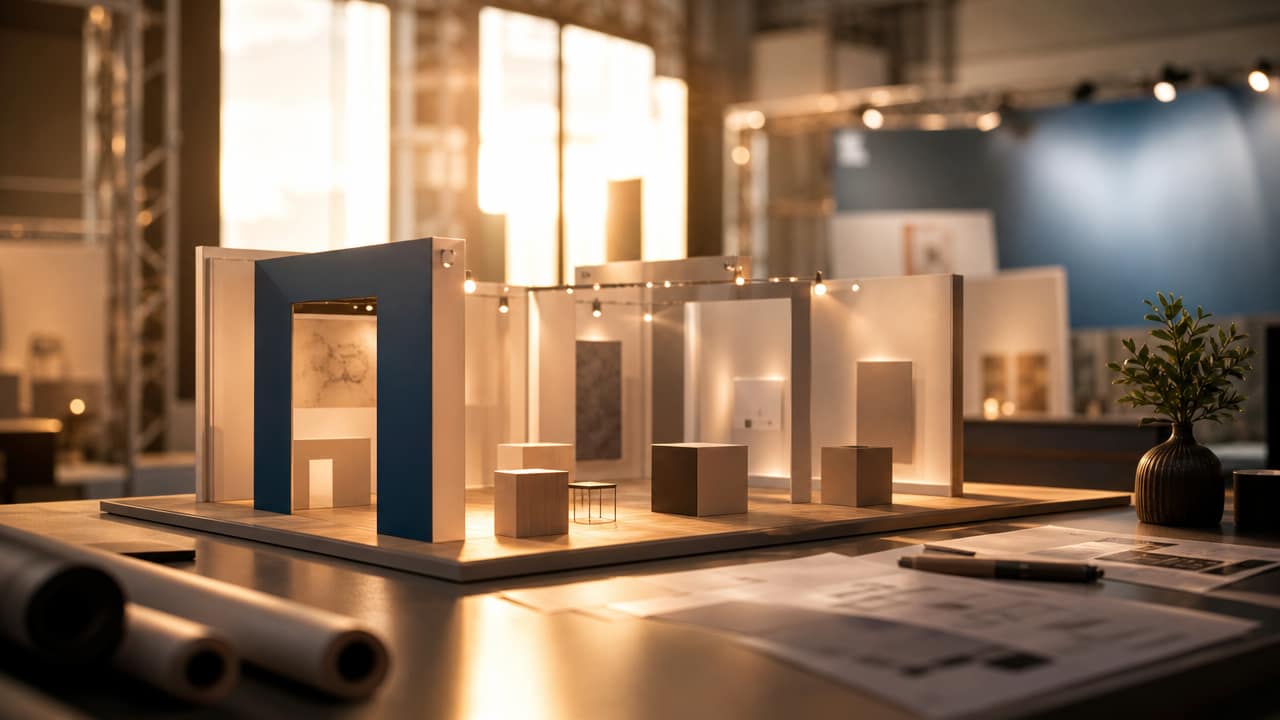
Beyond the stand itself, successful trade show preparation relies on disciplined scheduling and clear responsibilities. An exhibition planning checklist should cover artwork deadlines, exhibition booking deadlines, freight cut-offs, venue services, insurance and risk assessments. Pre-exhibition team planning helps ensure staff know the key messages, product focus and lead qualification criteria, rather than improvising on the day. Many marketers now use a trade show staffing plan to balance product experts, salespeople and senior decision-makers.
As timelines compress, the risk of compromised branding, inflated costs and missed leads increases, especially when venue rules limit late changes. Structured Exhibition Stand Planning gives you room to test concepts, refine messaging and coordinate suppliers without panic. For exhibitors unsure where to start, speaking with an independent specialist can help stress-test your exhibition planning timeline, compare stand options and refine your approach before committing major spend. If you’re preparing for your next Australian show, now is the time to review your plan, clarify responsibilities and seek expert advice so your stand is ready well before doors open.
Input your search keywords and press Enter.