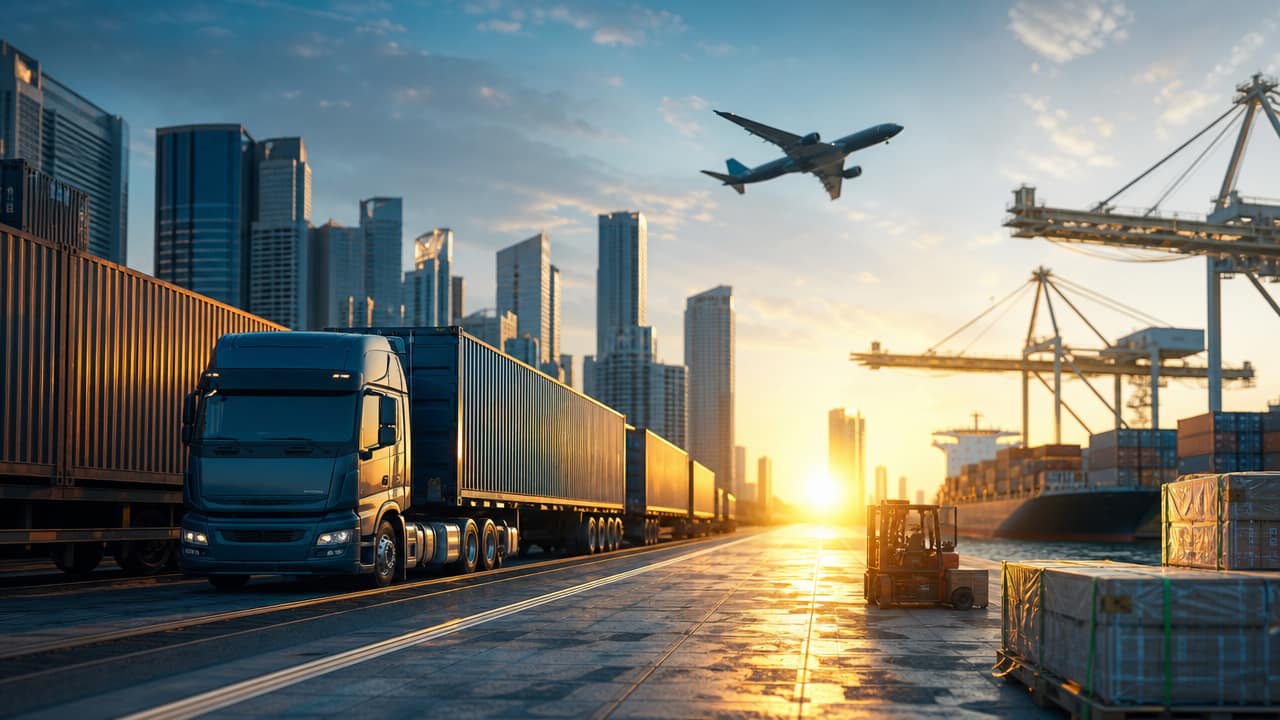



Freight delays in Australia have shifted from occasional disruption to an ongoing operational hazard, especially for businesses moving goods across states and international borders. Understanding the risk of freight delays in Australia is now essential for any company reliant on tight delivery windows, temperature-sensitive goods or just-in-time inventory. When a single blocked port, flooded rail line or grounded aircraft can halt deliveries without warning, relying on outdated assumptions about transit times becomes a serious commercial risk.
Across Australia, extreme weather events, industrial action, port congestion and stricter biosecurity checks are combining to stretch transit times and increase uncertainty. These disruptions often hit sectors such as retail, manufacturing and resources at the worst possible moment, when seasonal peaks and promotional campaigns are underway. For exhibitors and event organisers, delayed exhibition freight can mean empty stands, missed sales and reputational damage before a show even opens. The real threat is not just late delivery, but how quickly those delays cascade through wider operations.
Many Australian businesses still rely on ad-hoc decisions once a shipment is running late, making hurried calls to carriers or paying for last-minute premium services. This reactive approach pushes up costs, confuses internal teams and leaves customers in the dark. A structured freight delay risk assessment for exhibitors and other shippers helps organisations identify where a single missed container, truck or pallet could trigger stockouts, production stoppages or penalties. By mapping critical lanes and time-sensitive cargo, businesses gain a clearer view of where they are most exposed.
Several recurring red flags suggest a fragile freight strategy that may not withstand the next disruption. Heavy reliance on a single carrier, port or mode, minimal safety stock for key SKUs, or limited shipment visibility are typical vulnerabilities. For exhibitors, ignoring alternative transport routes for event freight, or failing to plan for coordinating venue access during delayed shipments, can turn minor setbacks into major losses. Seasonal risks such as cyclones in the north and inland flooding can routinely cut key corridors, yet many organisations still lack clear triggers to activate backup options for missed exhibition transport.
Proactive businesses are beginning to treat Exhibition Logistics and Freight as a strategic capability rather than a last-minute operational task. This includes prioritising critical exhibition freight items, identifying secondary carriers and exploring time-critical options such as airfreight for essential components. In practice, that might mean securing guaranteed slots with a specialist provider in advance, or setting clear internal thresholds for when to switch modes. By building these measures into everyday planning, organisations reduce the shock when delays inevitably occur.
Input your search keywords and press Enter.