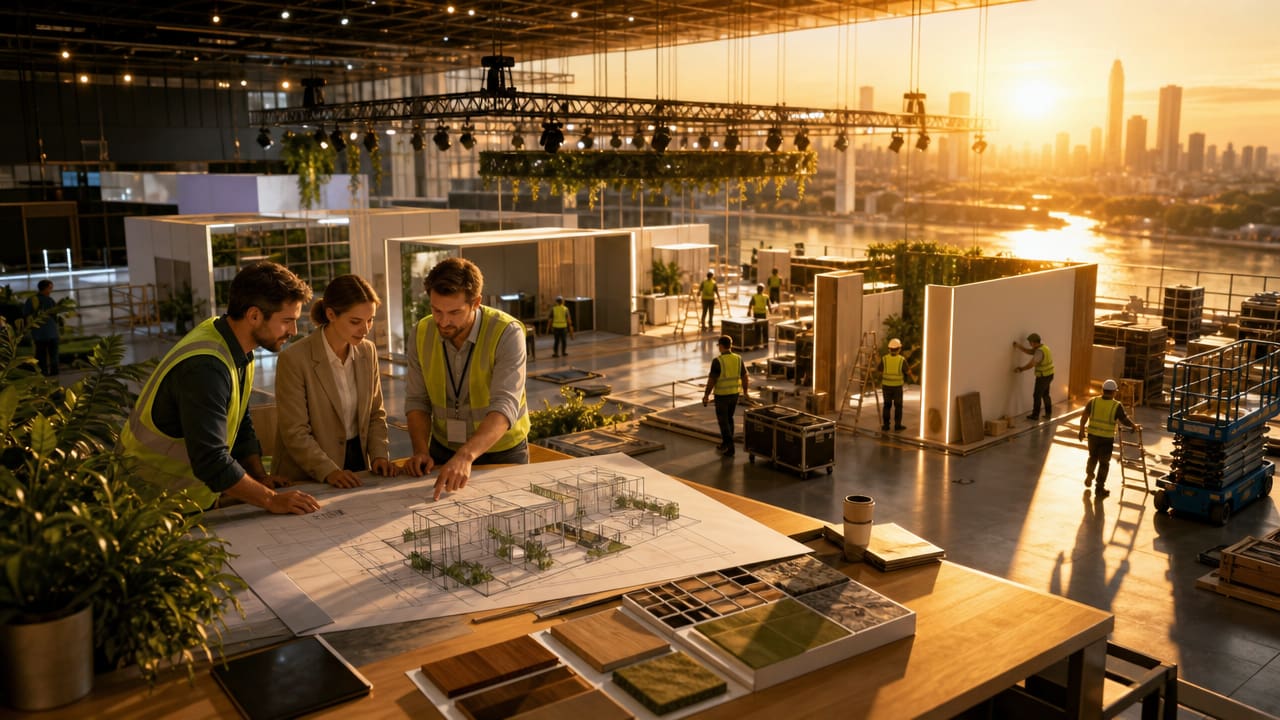



In Australia, Exhibition Stand Costs are shifting rapidly, and labour is now the biggest wildcard for 2026 projects. Many organisers still focus on exhibition stand pricing, materials and floor space, while the wage bill quietly expands in the background. Rising award rates, penalties and safety obligations mean even modest schedule changes can trigger significant extra charges. For exhibitors planning busy calendars or multi-year programs, ignoring this trend can turn a carefully planned trade show budget into a financial risk.
Labour costs for exhibition stands span far more than a couple of days on the show floor. Design time, off-site fabrication, transport loading, on-site crews, supervisors, electricians and riggers all contribute to the final figure. In 2026, tighter labour hire rules and higher install and dismantle labour rates are likely to push margins even harder. International teams, in particular, can be caught out by Australian penalties for evenings, weekends and public holidays. When these are not factored in from the outset, exhibition stand quotes can look deceptively low.
Most cost blowouts begin with optimistic schedules that leave little room for delay. Late freight, changed floor plans or slow approvals can extend shifts into premium hours, increasing exhibition stand installation charges unexpectedly. Misunderstanding venue rules, such as restricted access windows or mandatory union labour, also adds surprise costs. Custom builds tend to require more trades, more supervision and more coordination, creating further exposure. Without a detailed trade show labour cost breakdown, it becomes difficult to see where the hours are accumulating until invoices arrive.
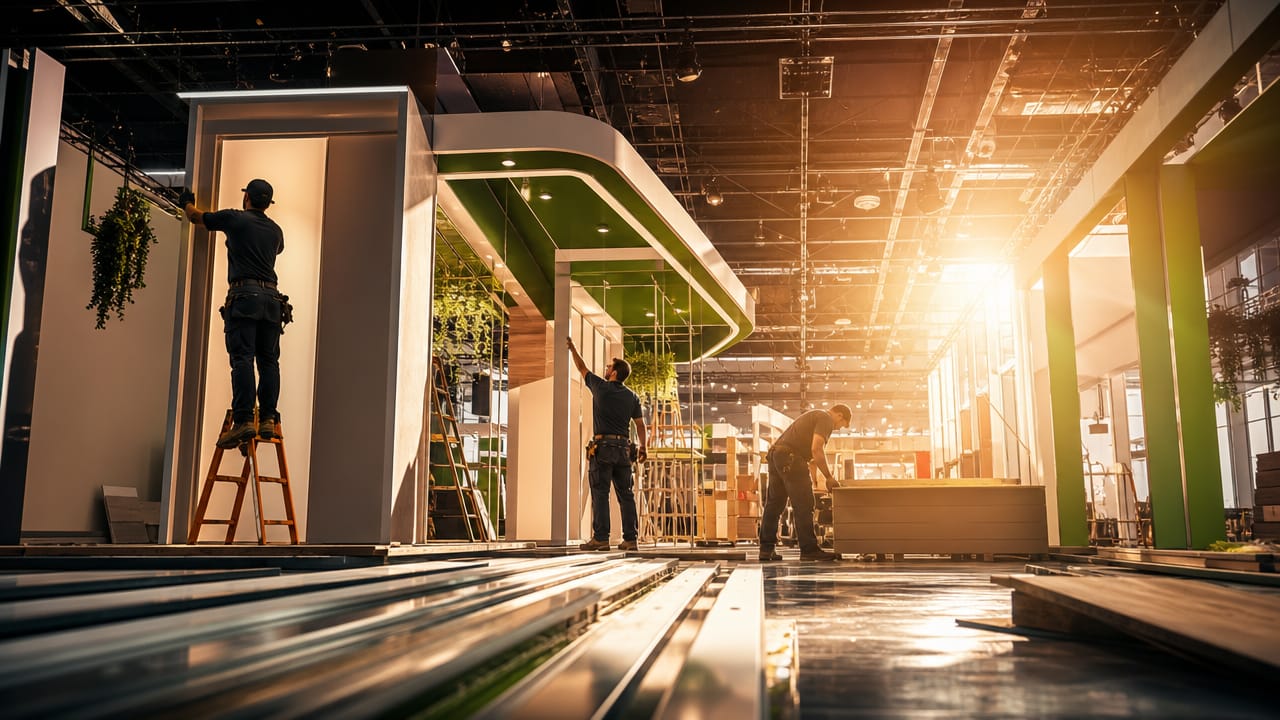
Early red flags often hide in the paperwork. Lump-sum proposals without clear hours, roles or rates make comparing exhibition labour quotes almost impossible. Vague allowances for “contingency labour” can disguise exposure to escalating penalties. A compressed build schedule with no buffer for freight delays or safety checks is another sign that managing onsite labour expenses may become difficult. If your internal team cannot explain how assumptions were set for exhibition stand labour budgeting, the numbers are unlikely to survive real-world conditions.
Recognising these patterns early allows exhibitors to renegotiate terms, clarify scope and seek independent advice before committing. A more transparent approach to trade show labour planning can also help when comparing different suppliers’ trade show labour cost breakdown structures. By questioning every assumption now, you reduce the risk of reactive decisions on-site when options are limited. If your next show is already booked, take time to stress-test the labour numbers before freight is locked in.
Before your 2026 program gathers pace, review your current estimates, ask for more detailed breakdowns and sense-check them against recent events. If you are unsure how to evaluate Exhibition Stand Costs or benchmark install and dismantle labour rates, speak with an experienced Australian exhibition partner. A short consultation can highlight weak spots in your plan, help you refine contingencies and protect your trade show budget. Act now to tighten your labour assumptions, so your next exhibition delivers returns rather than unwelcome surprises.
Input your search keywords and press Enter.