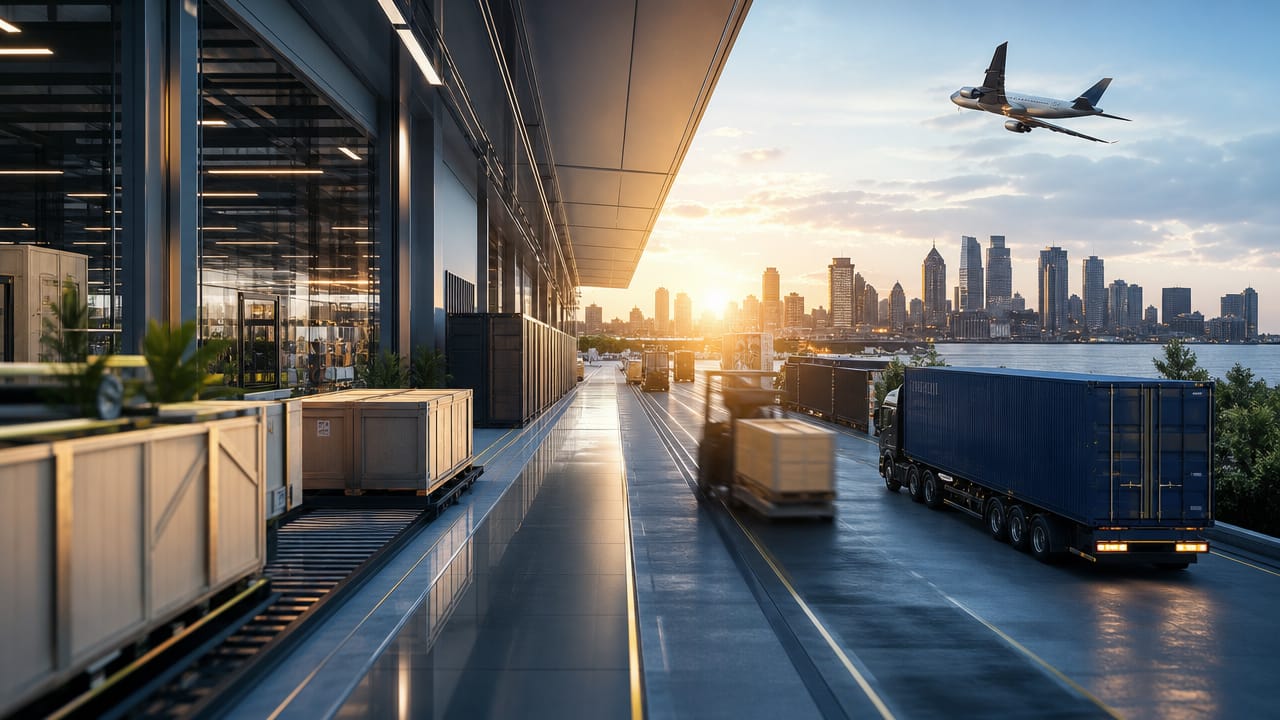



Understanding the Role of Freight Forwarders in Exhibitions is increasingly important for Australian companies investing heavily in trade shows. While stands, flights and marketing usually receive the most attention, the real vulnerability often lies in poorly planned Exhibition Logistics and Freight. When exhibition freight is delayed, damaged or stopped at the border, brands risk losing prime sales opportunities, hard-won reputations and a full year of pipeline-building activity.
Specialist freight forwarders sit at the intersection of international trade, customs rules and strict venue schedules. Their work becomes critical when trade show logistics involve multiple carriers, modes and handovers in a tight window. In Australia’s crowded events calendar, a missed flight or misjudged clearance time can mean stands arriving halfway through the show. Many exhibitors only realise how fragile their logistics plan is when crates fail to appear on the show floor.
Unlike standard shipments, exhibition transport is defined by immovable deadlines set by organisers and venue access slots. Freight forwarders map out trade show freight scheduling around bump-in and bump-out times, public holidays and airline cut-offs. They also arrange temporary import processes, biosecurity inspections and on-site unloading support. Without this level of planning, even well-packed cargo can sit idle because venue loading dock logistics or paperwork were not correctly coordinated.
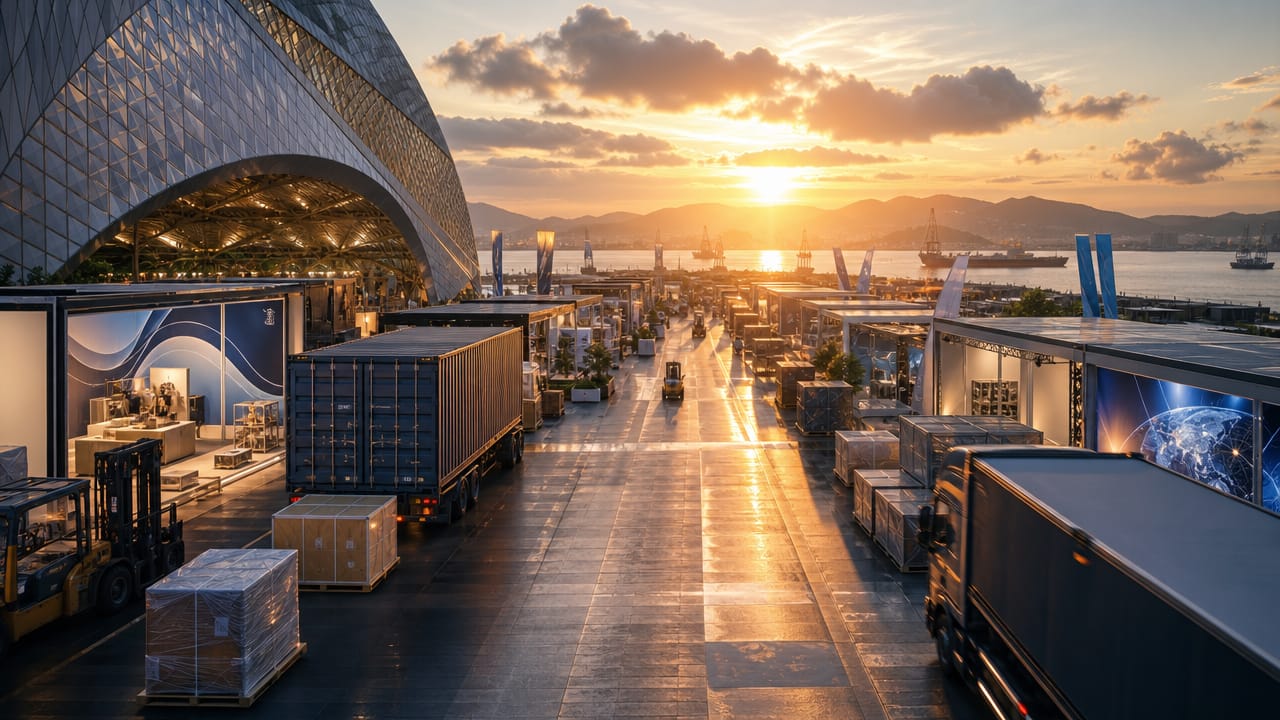
Red flags often appear months before the event but go unnoticed. Teams may rely on standard couriers, assume “it only takes a week to get there”, or leave documentation to the last minute. Others book interstate exhibition transport services without checking venue restrictions on carriers, insurance or handling equipment. Plans that treat logistics as a single budget line, without contingency for customs, storage or return transport for trade show booths, are especially vulnerable to cost blowouts.
For Australian exhibitors, the real risk is cumulative: one delayed crate can pull staff away from selling, force last-minute reprints and damage relationships with partners. When multiple international shows are linked, a single failure can cascade into missed openings at the next venue. Bringing in experienced freight forwarders early allows realistic timeframes, mode choices and risk assessments to be built into your Exhibition Logistics and Freight plan. Before your next show cycle, it is worth reviewing recent events for near-misses, rushed shipments or unexpected charges and speaking with a specialist to shore up your strategy.
Call to action: If your team is unsure whether your current exhibition freight plan would withstand delays, customs checks or back-to-back events, now is the time to review it. Speak with an exhibition logistics expert, request a tailored risk assessment, and secure your next trade show before small gaps become costly failures.
Input your search keywords and press Enter.