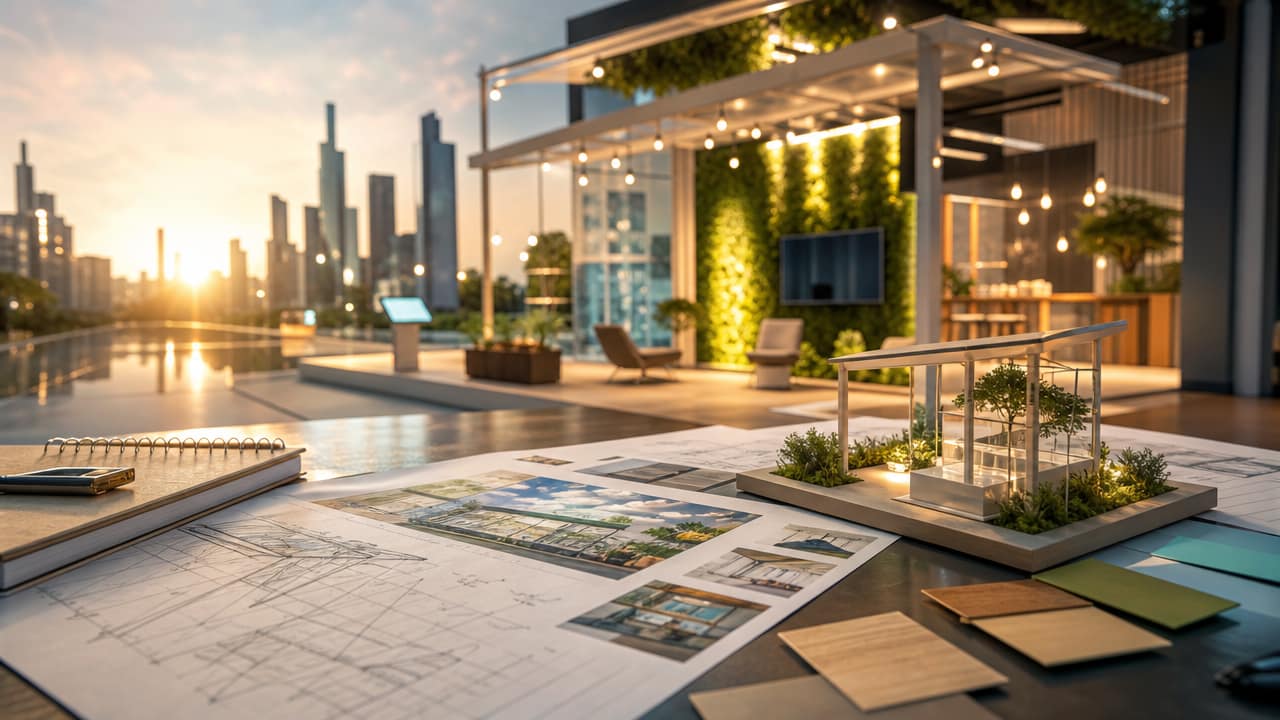



Using visitor and stakeholder feedback is one of the most effective ways to refine Exhibition Stand Design for Australian trade shows. Rather than relying on guesswork, structured insights help you understand how people actually experienced your space, from first impressions through to post-event follow up. This article explains what feedback to collect, how to interpret it, and how to turn it into more strategic exhibition planning for future events.
Feedback provides real-world evidence of how well your stand supported brand awareness, lead generation, and product education. Visitors can highlight whether the stand felt inviting, confusing, or overcrowded, while staff can identify operational issues that affected performance. When you review comments alongside metrics such as foot traffic or enquiry numbers, you gain a clearer picture of which exhibition booth design elements genuinely contributed to your objectives.
Post-event surveys and quick digital polls capture visitors’ views on clarity of messaging, ease of navigation, and overall appeal. Short interviews with prospects and clients can uncover which product-focused stand concepts made the strongest impression. Internal debriefs with sales staff, installers, and suppliers are just as important, because they reveal practical constraints that may not appear in attendee feedback. Combining these perspectives ensures decisions are grounded in diverse, reliable information.
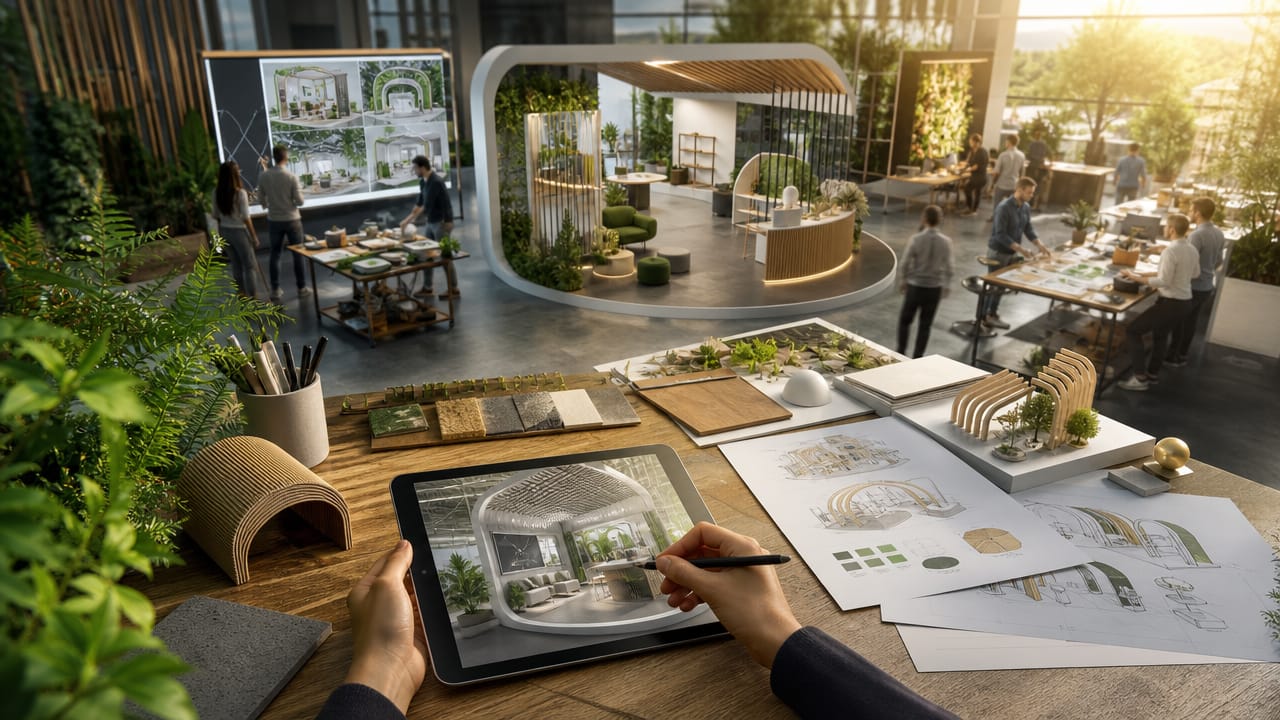
Once feedback is collected, group insights into themes such as traffic flow, engagement, comfort, and branding. If visitors mention congestion or difficulty accessing demos, you might explore open-plan exhibition booths or more clearly defined entry points. Comments about unclear messaging can guide high-impact booth graphics, stronger product zoning, or more targeted content at key sightlines. Where attendees seek more interaction, their suggestions can inform interactive exhibition stand layouts or modular display stand ideas that support different audience journeys.
Australian venues often impose strict rules on height, rigging, waste, and trade show lighting design, so staff feedback about bump-in and bump-out is crucial. Their input helps you judge whether custom exhibition stands are delivering enough impact to justify their complexity and cost. You may decide to retain hero features while simplifying structures or materials for easier transport and reuse. Over time, feedback-driven choices create more sustainable stands that still allow strong industry-specific stand styling and brand expression.
To build a continuous improvement loop, document what worked, what did not, and which changes you will trial next time. Capture notes on Exhibition Stand Design, technology, staffing levels, and meeting areas, including any ideas for branded meeting pod design or quieter discussion spaces. Reviewing this record before each planning cycle ensures you do not repeat past mistakes and can evolve your exhibition stand ideas strategically. If you would like expert guidance on interpreting feedback and planning your next show, consider speaking with a specialist who can advise on layout, messaging, and lighting for Australian audiences.
Input your search keywords and press Enter.