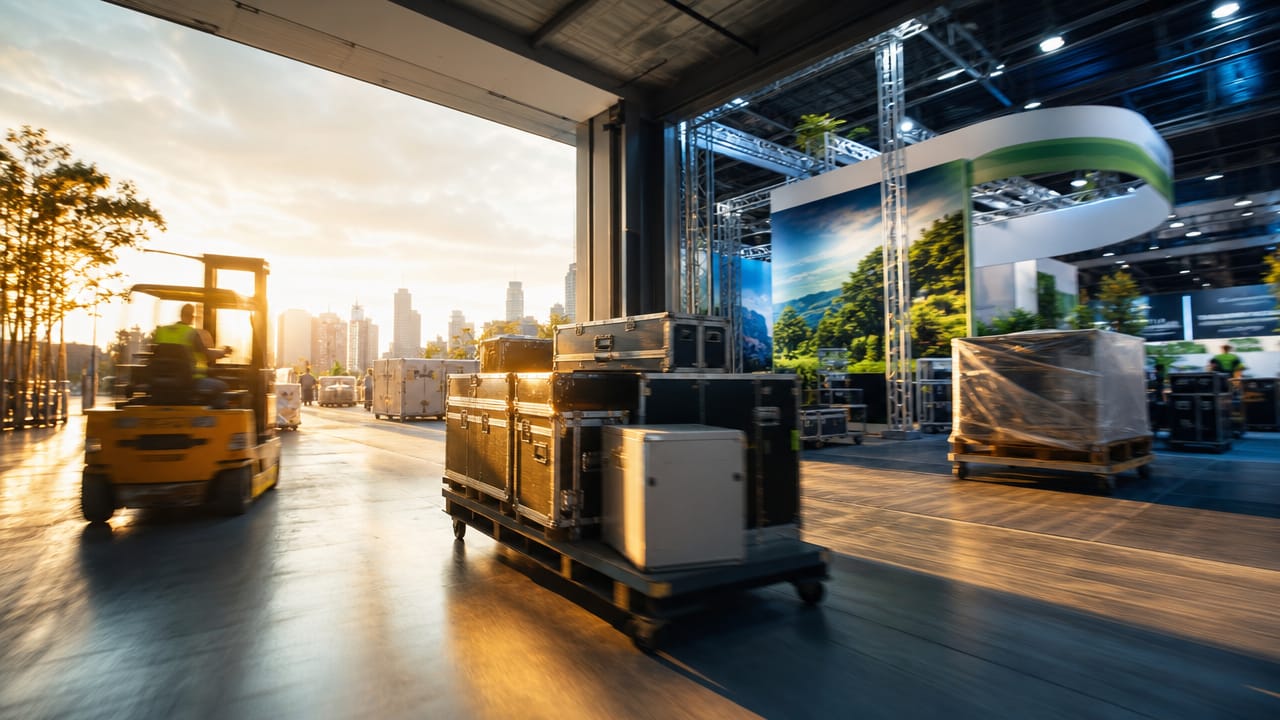



Managing freight during trade show setup and dismantling in Australia demands precise coordination, especially when timelines and venue rules are tight. This guide explains practical event freight planning tips so your materials arrive safely, are handled efficiently, and leave the venue on schedule. It is designed for exhibitors, organisers, and operations managers seeking a clearer understanding of Exhibition Logistics and Freight in a local context.
Trade show logistics must align with strict bump-in and bump-out schedules, often controlled by venue and contractor procedures. Late trucks, incorrect paperwork, or unclear labels can rapidly lead to storage charges or missed installation windows. Planning should start with reading the exhibitor manual in detail and confirming venue loading dock access requirements. For interstate exhibition freight services, factor in extra time for traffic, weather, and regional transport constraints across Australia’s long distances.
Exhibition freight includes stand structures, AV equipment, promotional stock, and tools that move in and out of the venue. At larger events, organisers may nominate an official freight forwarder to manage customs, quarantine, and on-site exhibition freight handling. This is particularly useful where international shipments, time-sensitive trade show deliveries, or complex materials handling are involved. Clarify who is responsible for unloading, storage, and return freight after exhibitions to avoid confusion at move-out.
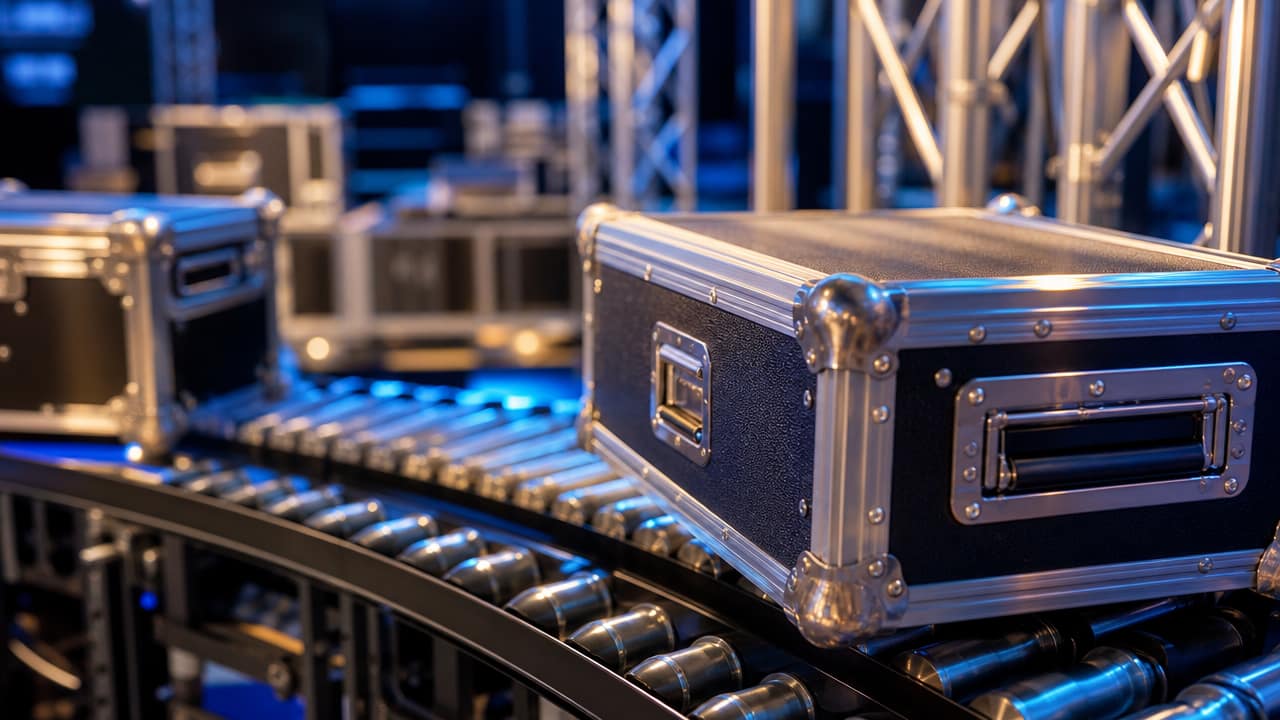
Begin with a detailed inventory that records item descriptions, dimensions, weights, and values, then share this with your freight provider. Use robust, reusable cases or crates and specify which pieces are fragile or high priority for setup. Clear labelling should include the event name, venue, stand number, and an on-site mobile contact. When booking exhibition transport, confirm cut-off times, transit durations, and whether temporary storage for exhibits is available if freight arrives early.
During bump-in, appoint one responsible on-site contact to meet drivers, direct placement, and sign paperwork. This person should understand the floor plan and any safety rules relating to forklifts and trolleys. Coordinate with australian trade show transport providers to stagger deliveries so aisles stay clear and work can proceed safely. At show close, start packing non-essential items quickly and keep your inventory updated so cartons are easy to locate during collection.
Before the event, speak with your logistics partner about insurance cover, handling limits, and any exclusions that apply to high-value equipment. Ask how they manage claims for damage or loss and what documentation is required from your team. It is wise to photograph packed cases, label positions, and key serial numbers, especially for electronics. By treating freight as a core project stream rather than an afterthought, you significantly reduce risk and cost across the event lifecycle.
If you are planning upcoming exhibitions, consider reviewing your recent shows to assess where freight delays or miscommunication occurred. Use those lessons to refine your processes for labelling, documentation, and coordination with carriers and venues. A structured approach to Exhibition Logistics and Freight will help your team budget accurately, protect assets, and meet strict venue timelines. For more detailed guidance tailored to your stand size and schedule, speak with an exhibition logistics specialist before your next event.
Input your search keywords and press Enter.