



Effective Exhibition Stand Planning is about far more than graphics and furniture; it is the backbone of a smooth, compliant trade show presence in Australia. By coordinating freight, services, safety, and staffing, you reduce last-minute stress and avoid costly delays. A clear exhibition planning timeline helps align your marketing goals with venue rules and contractor availability. When logistics are handled professionally, your team can focus on conversations, lead capture, and brand impact rather than problem-solving on the show floor.
Exhibition logistics covers every movement of materials and people from your warehouse to the venue and back again. For major venues in Sydney, Melbourne, Brisbane, and Perth, australian trade show requirements often include strict bump-in and bump-out windows, safety inductions, and approved access routes. Reading the exhibitor manual early allows you to build an exhibition planning checklist that covers stand drawings, insurance, and risk assessments. This planning also clarifies whether you need local installers, storage, or specialised transport for oversized items.
Shipping stand components interstate or from overseas requires early coordination with freight forwarders who understand venue loading docks, driver sign-in procedures, and time slot booking systems. A detailed pre-show logistics checklist should note pallet sizes, labelling, consignment references, and after-hours contact details. Once deliveries are confirmed, you can schedule essential services such as power, rigging, internet, and cleaning. Ordering these services before the deadline is usually cheaper and ensures your stand can pass safety inspections without last-minute modifications or surcharges.
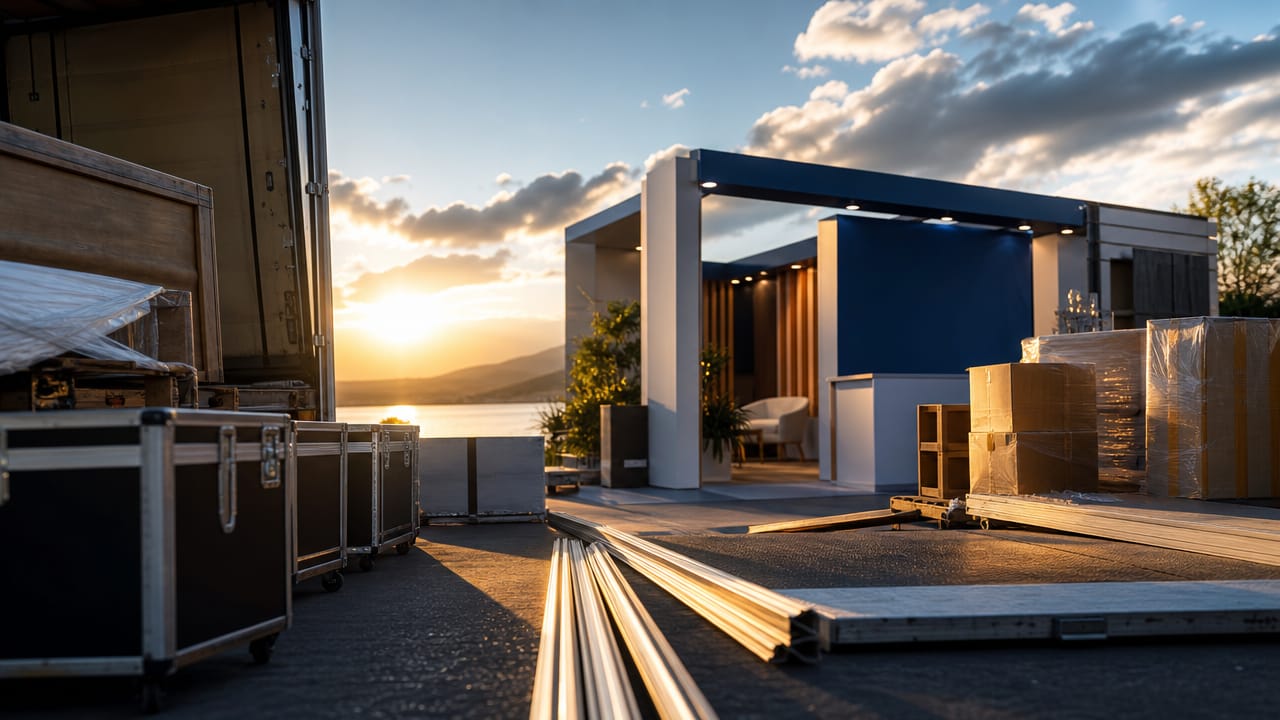
Each Australian venue sets rules on maximum stand heights, fire exits, carpet tape, and even which tools can be used during construction. Clarifying these early supports a structured exhibition stand briefing process with your designer, builder, and safety officer. Many organisers require licensed electricians for power connections and certified riggers for any overhead structures. Factoring these trades into your trade show preparation steps keeps your stand compliant and reduces the risk of being delayed or shut down during inspections just before opening.
A simple but detailed run sheet turns complex trade show preparation into manageable tasks. Include delivery windows, build milestones, safety checks, and final cleaning, along with an event-day staffing plan that covers opening hours, breaks, and lead capture roles. For larger programs, a pre-exhibition planning timeline with clear exhibition planning milestones ensures marketing, sales, and operations are working to the same deadlines. Many exhibitors also use an exhibition stand planning guide to review lessons learned and refine processes before the next show.
Strong logistics support better budgeting, risk management, and team performance across your entire event calendar. By documenting your Exhibition Stand Planning process after each show, you create a repeatable approach that saves time and protects your investment. If you are unsure where to start, speak with an experienced exhibition specialist who can map out freight, compliance, and scheduling so you approach your next trade show with confidence and a clear, practical plan.
Input your search keywords and press Enter.