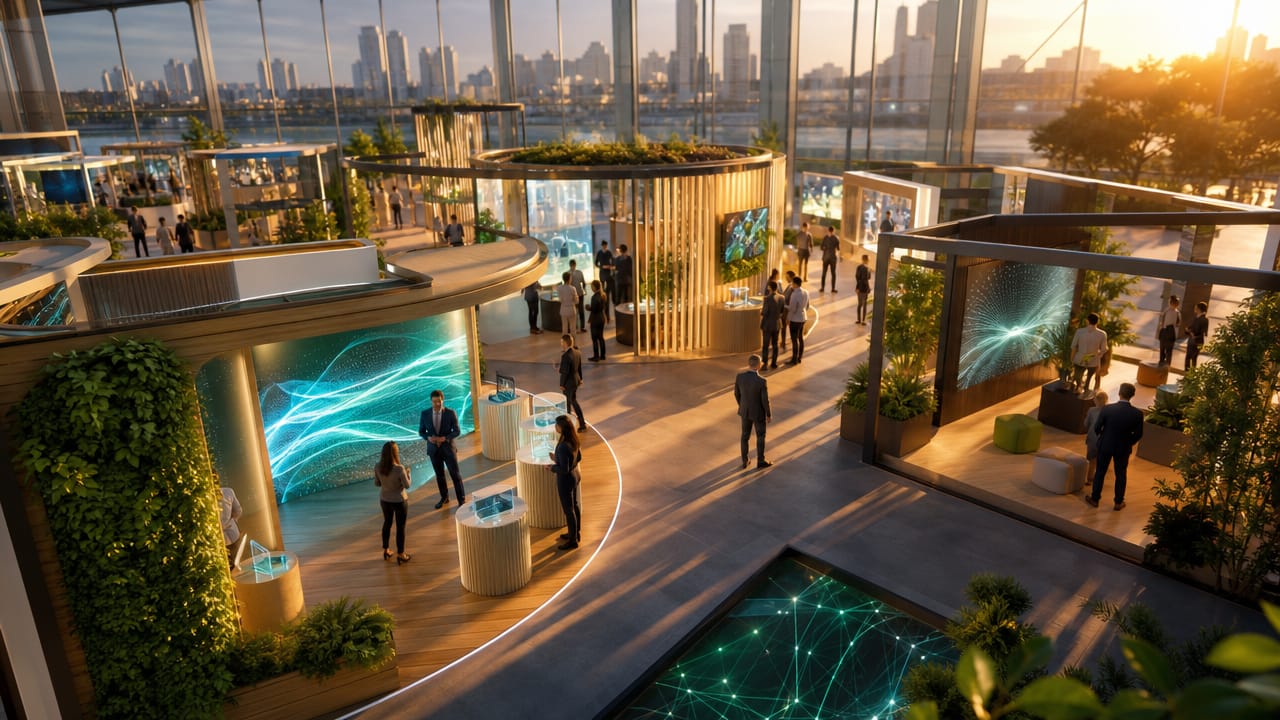



The Evolution of Exhibition Stands: Trends to Watch in 2026
In 2026, the evolution of exhibition stands is reshaping how Australian brands show up at events. Rising costs, stricter sustainability rules and more demanding visitors mean stands must perform as compact brand environments, not just decorated walls. Marketers now expect each build to attract attention, qualify leads and generate content that can be repurposed after the show. At the same time, organisers are tightening regulations around waste, bump-in times and power use, forcing smarter and more flexible approaches.
For many teams, the shift starts with rethinking Exhibition Stand Design as a long-term asset rather than a one-off project. Instead of building from scratch for every expo, marketers are planning multi-year programs in which structures, graphics and technology can be re-used. This mindset reduces risk and helps justify investment in quality materials and clever engineering. Clear performance metrics, such as target visitor dwell time or meetings booked, guide decisions on where to spend and what to simplify.
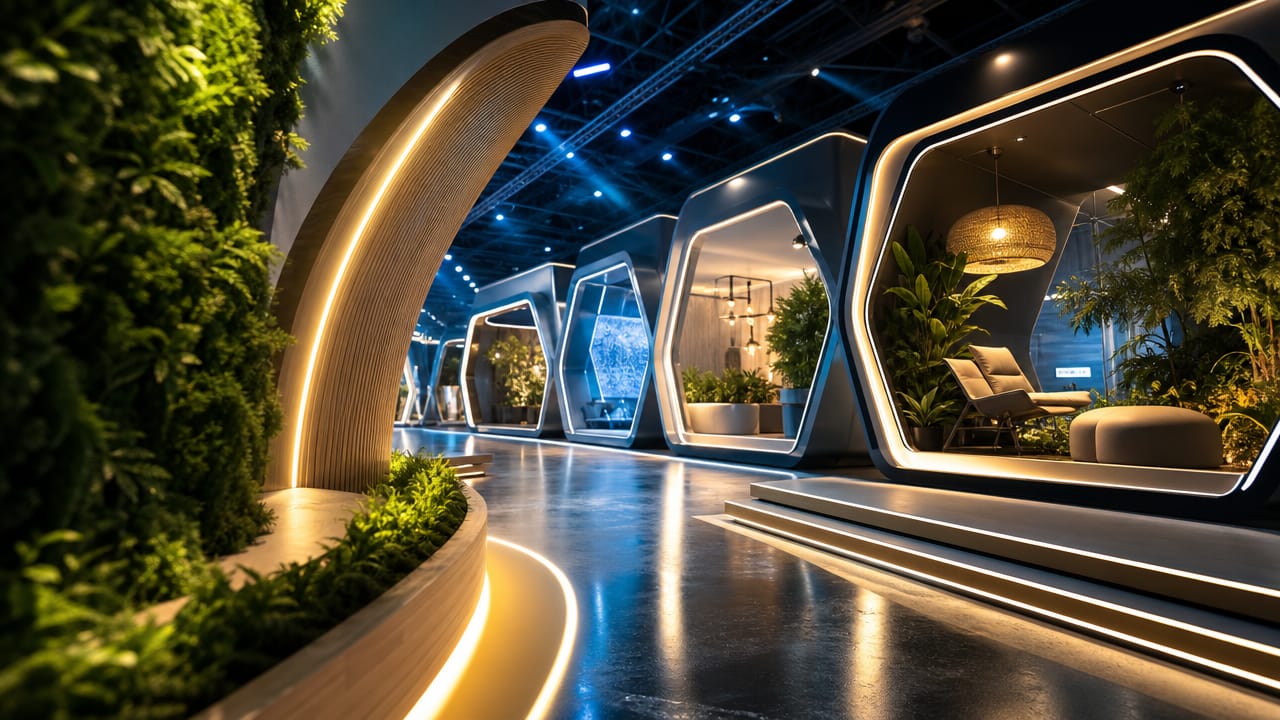
Sustainability is now a central driver of the evolution of exhibition stands across Australia. Recycled aluminium frames, hire furniture and fabric graphics minimise waste while still supporting high impact booth graphics. Many exhibitors choose modular systems that reconfigure for different stand sizes, from small footprint exhibition layouts to island spaces. This strategy supports consistent branding while adapting to various floor plans and budgets across the events calendar.
Technology is transforming how visitors experience stands and how marketers measure success. Exhibitors are combining interactive exhibition stand features such as AR product demos, gesture-controlled screens and immersive custom stand concepts to explain complex solutions quickly. Linked to this, data capture tools track which content attracts attention, helping refine messaging between shows. When technology is carefully planned, it turns modern exhibition stand layouts into practical sales tools rather than distractions.
Designers are also exploring open plan booth floorplans that encourage natural entry from multiple aisles and allow staff to spot and greet prospects easily. This works particularly well when combined with brand-led exhibition stand styling that reflects colours, values and messaging consistently. In competitive halls, distinctive exhibition booth design can help visitors recall your brand days or weeks after the event. For niche sectors or premium offers, custom exhibition stands can support more tailored experiences and private meeting areas.
Planning ahead means exploring exhibition stand ideas that balance impact with logistics, including storage, transport and set-up time. Australian teams often look to australian trade show stand design case studies to understand what works in local venues and regulations. For complex products, layered zones that move from welcome, to demonstration, to conversation work effectively. Educational Call to Action: To plan your next stand with confidence, discuss your objectives with a specialist, ask for layout options and request examples that match your sector, budget and event schedule.
Input your search keywords and press Enter.