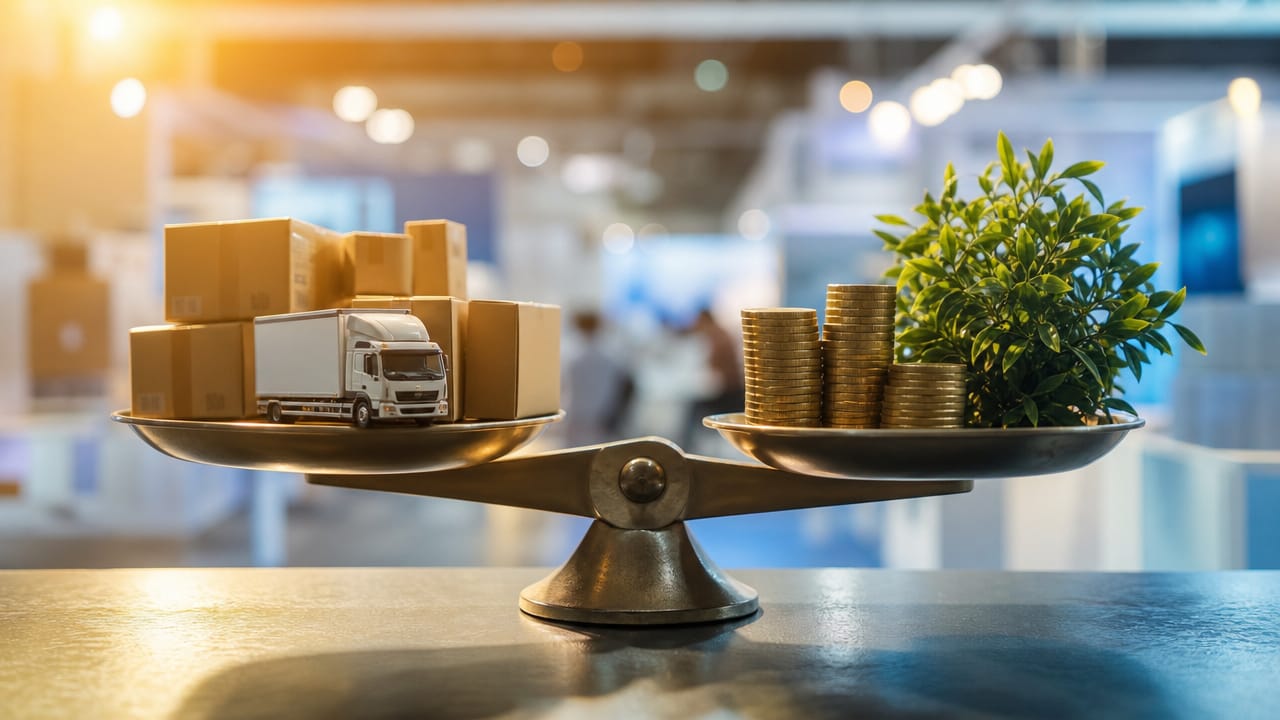



Understanding the impact of freight costs on exhibition budgets is now essential for Australian organisers and exhibitors. As freight has shifted from a background expense to a primary risk driver, the viability of entire events can hinge on how well logistics are planned and controlled. When exhibition freight is treated as a strategic category, it becomes possible to safeguard margins, protect exhibitor experience, and create more resilient show portfolios.
Freight is no longer a passive line item; it is a structural force reshaping exhibition design, pricing and risk in Australia.
Post‑pandemic, freight costs as a share of import values have risen materially and remain elevated, and that shift is flowing straight into event P&Ls. For Australian exhibition organisers, a single misjudged shipment can flip a show from breakeven to loss. Rising ocean and air rates, fuel surcharges and port congestion mean that managing exhibition freight costs is now as important as stand sales or sponsorship revenue. Treating freight as a controllable lever rather than a sunk cost is the mindset change the industry needs.
Exhibition Logistics and Freight now covers far more than moving crates between depot and venue. War‑risk premiums, landside charges and venue delivery and loading fees all compound to shape the true landed cost of participation. Hidden charges in exhibition transport, including detention, demurrage and weekend surcharges, routinely surprise less experienced exhibitors. Forwarders with deep trade show logistics expertise can help unpack these risks and build transparency into budgets, but only if engaged early in the show planning cycle.
Freight volatility is quietly redesigning Australian show floors. Higher transport costs, storage and handling costs for displays and stricter cut‑off dates are pushing organisers towards lighter, modular and re‑usable stand systems. Exhibitors are rethinking what truly needs to travel, what can be sourced locally and how to minimise interstate exhibition transport budgeting on multi‑city roadshows. Those who succeed are building integrated plans that consider exhibition transport, customs, warehousing and return freight costs after exhibitions as a single, optimised system.
Strategic organisers are also interrogating cost-effective trade show logistics options rather than defaulting to last‑minute airfreight. Scenario planning for australian trade show freight planning, including different shipment sizes, routings and timing, helps stabilise budgets and reduce shocks. Clear guidance in exhibitor manuals around crate labelling, consolidation and deadlines reduces on‑site congestion and delays. When freight is embedded into risk, design and financial planning from the outset, events become more predictable and commercially durable.
To stay competitive, Australian event professionals must review their current exhibition freight strategy with logistics partners and finance teams. Benchmark landed costs against recent events, investigate where overruns occurred, and challenge assumptions around service levels and timelines. Identify two or three changes—such as earlier cut‑offs, better consolidation, or revised stand guidelines—that could materially de‑risk your next show. Taking these steps now will position your organisation to navigate the next wave of volatility with confidence and control.
Input your search keywords and press Enter.