



How to Utilise Feedback for Future Exhibition Planning is now central to how leading Australian exhibitors protect ROI and sharpen strategy. In a market where budgets are scrutinised and events compete with digital channels, decisions based purely on intuition are no longer defensible. Exhibitors that treat feedback as data, not drama, are best placed to refine experience design, reprioritise spend, and justify their presence on the show floor.
Feedback is only valuable when it moves from sentiment to structured evidence that informs the next decision you make, not the last one you regret.
In Australia’s tightly contested trade show environment, exhibitors are expected to prove commercial impact, not just foot traffic. Research consistently links visitor satisfaction with repeat attendance and purchase intent, making stand experience a genuine revenue lever. Integrating feedback into Exhibition Stand Planning shifts conversation from “Was the show busy?” to “Did the right people have the right interactions?”. This mindset differentiates mature exhibitors from those still chasing vanity metrics like scan volume alone.
Many teams diligently gather surveys, business cards, and notes, then allow them to languish in shared drives. The real value lies in codifying data into themes that influence your exhibition planning checklist and budget allocation. Standardising questions on messaging clarity, navigation, staff performance, and product relevance allows benchmarking across events. Overlaying this with an exhibition planning timeline ensures insights are revisited at the right planning milestones, not rediscovered the week before the next show.
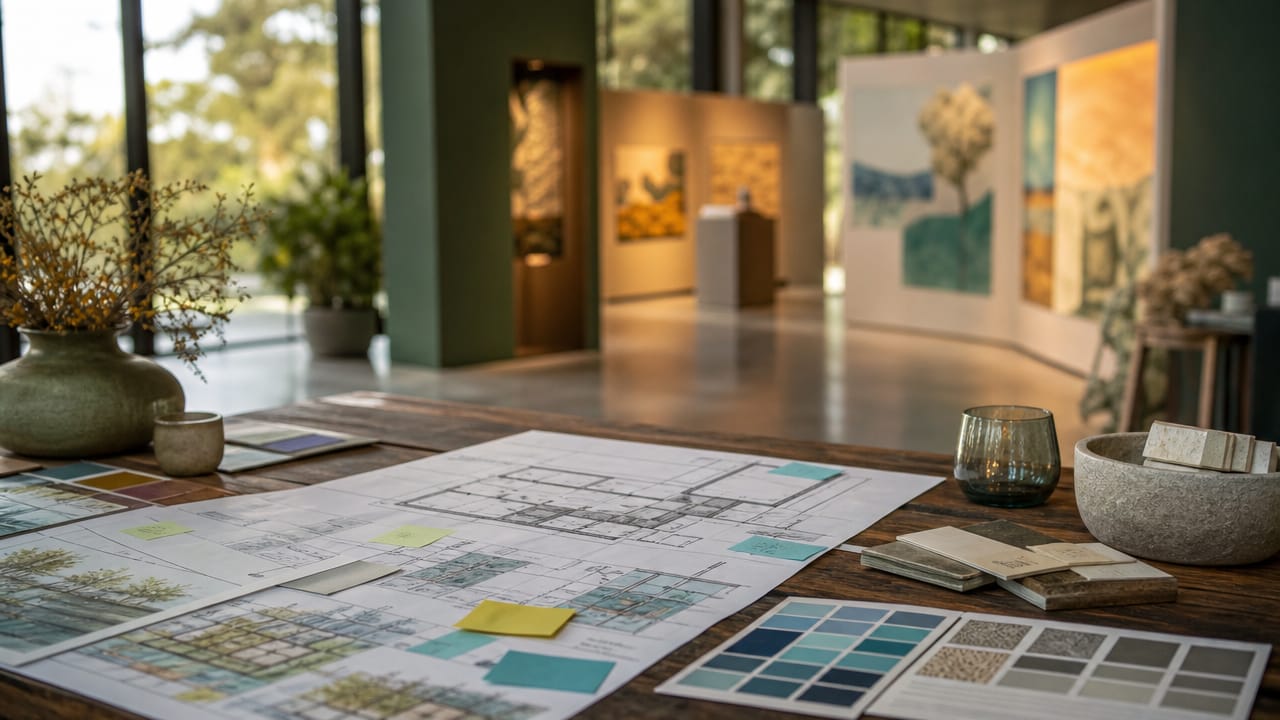
A disciplined loop starts well before the doors open. Define what you need to learn—brand perception, lead quality, or demo effectiveness—then design survey instruments, observation templates, and staff debrief after exhibitions to answer those questions. During trade show preparation, allocate ownership for data capture and synthesis so insights do not depend on one enthusiastic individual. After the show, align responses with commercial metrics such as opportunity value and meeting outcomes to generate robust post-show evaluation tips senior leaders will actually use.
The Australian shift towards hybrid and sector-specific events heightens the need for nuanced learning. Visitor feedback on accessibility, digital platforms, and content depth should sit alongside supplier and venue feedback to give a whole-of-event picture. Analysed collectively, this evidence informs future trade show planning decisions such as which formats to retain, where to scale back, and how to balance physical and virtual touchpoints. It also guides updating your exhibition planning checklist so that every new campaign builds on the last, rather than starting from scratch.
Ultimately, How to Utilise Feedback for Future Exhibition Planning is about institutionalising learning, not chasing perfection at one flagship event. Translate recurring themes into design principles, staffing models, and measurement frameworks that guide improving your next exhibition. Where necessary, focus on refining your exhibition objectives and adjusting your exhibition planning timeline so there is space to test and iterate. To move faster, review your current approach to using visitor feedback insights and speak with a specialist who can help structure your data, elevate decision-making, and ensure each show performs stronger than the last.
Input your search keywords and press Enter.