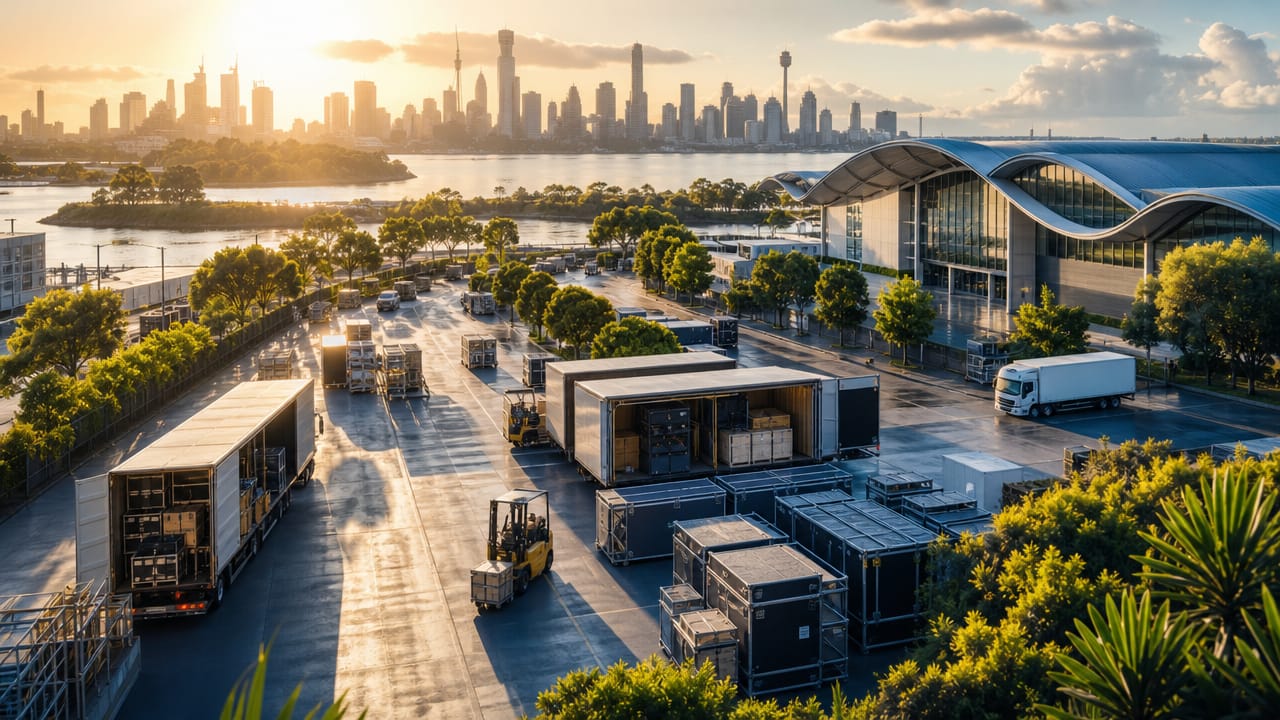
Australian organisers are increasingly scrutinising the hidden costs buried in their exhibition logistics process. Tight build windows, strict venue controls and vast transport distances mean that even small missteps in trade show logistics can trigger a domino effect of delays, stress and unplanned spend. When freight planning is treated as an afterthought, rather than a structured discipline, it becomes difficult to see where time and money are leaking out of each show cycle.
The most obvious warning sign is the last-minute scramble. Teams rushing to finalise labels, customs paperwork or exhibition transport instructions in the week before bump-in are relying on goodwill and luck. Confused emails about which carrier is handling what, or conflicting updates from multiple providers, suggest that coordinating exhibition freight suppliers has become a risky juggling act rather than a managed workflow.
Industry bodies note that exhibition freight, handling and storage can absorb a sizeable slice of total event budgets, especially when interstate trade show transport is involved. Late or incomplete deliveries compress build times, force crews into overtime and can push exhibitors into costly urgent air upgrades. More importantly, delayed stands and missing product samples mean lost conversations with buyers and reduced demo capacity, eroding revenue long after the expo closes.
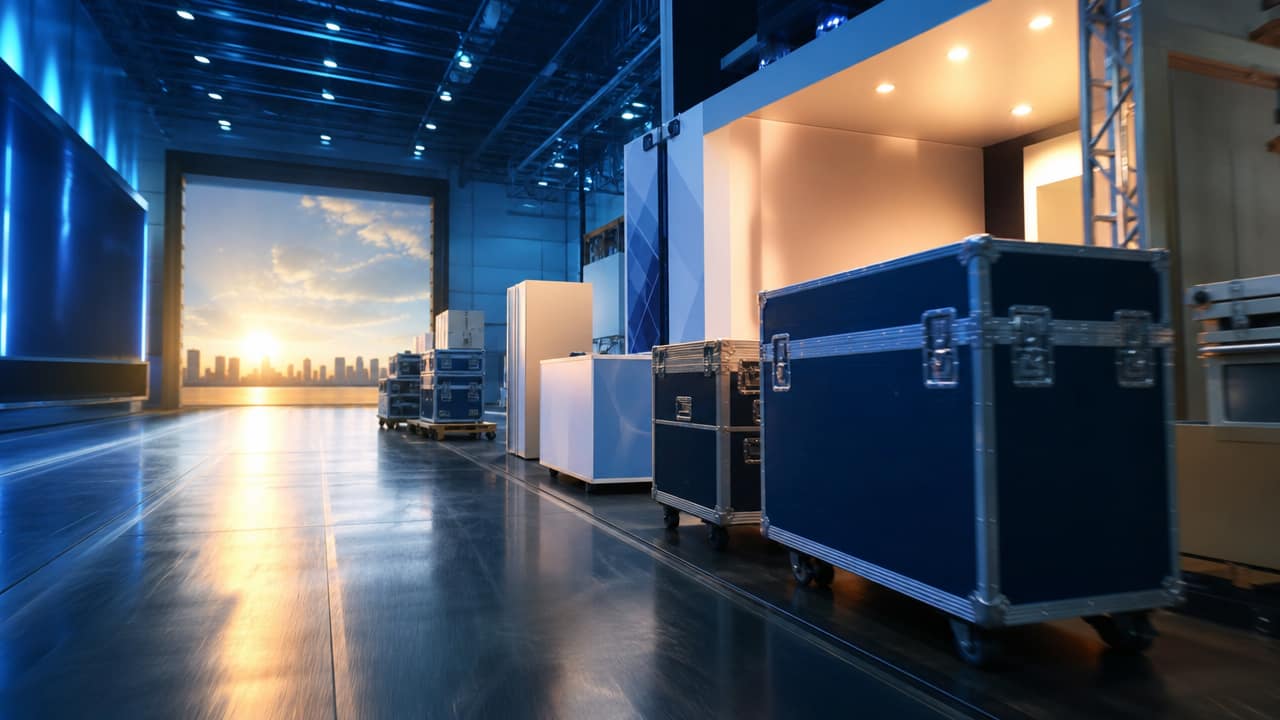
On the ground, recurring demurrage, overtime charges and additional storage bills are strong indicators of deeper process issues. Misjudged exhibition freight scheduling can leave trucks queuing for limited venue loading dock access, or crews waiting around while crates are located and released. Fragmented supplier arrangements also make secure exhibition freight storage harder to manage, increasing the risk of misplaced cases or damaged displays between shows.
Behind these issues often sits a structural problem: logistics duties bolted onto sales or marketing roles, with limited expertise or time to manage complexity across multiple cities. Without a single, accountable approach to Exhibition Logistics and Freight, small changes from venues, carriers or customs can generate confusion and cascading costs. Many organisers underestimate how quickly these gaps multiply across a full annual calendar of expos and conferences.
For Australian teams, now is a good moment to candidly assess whether their exhibition freight and logistics setup is robust enough for the next growth phase. Review recent events for delays, surprise invoices and stressed staff, and consider whether specialist support could bring clearer processes, better risk control and more predictable outcomes. Before another bump-in turns into a crisis, book a consultation with an experienced logistics partner to map out a more resilient framework for your upcoming shows.
Input your search keywords and press Enter.