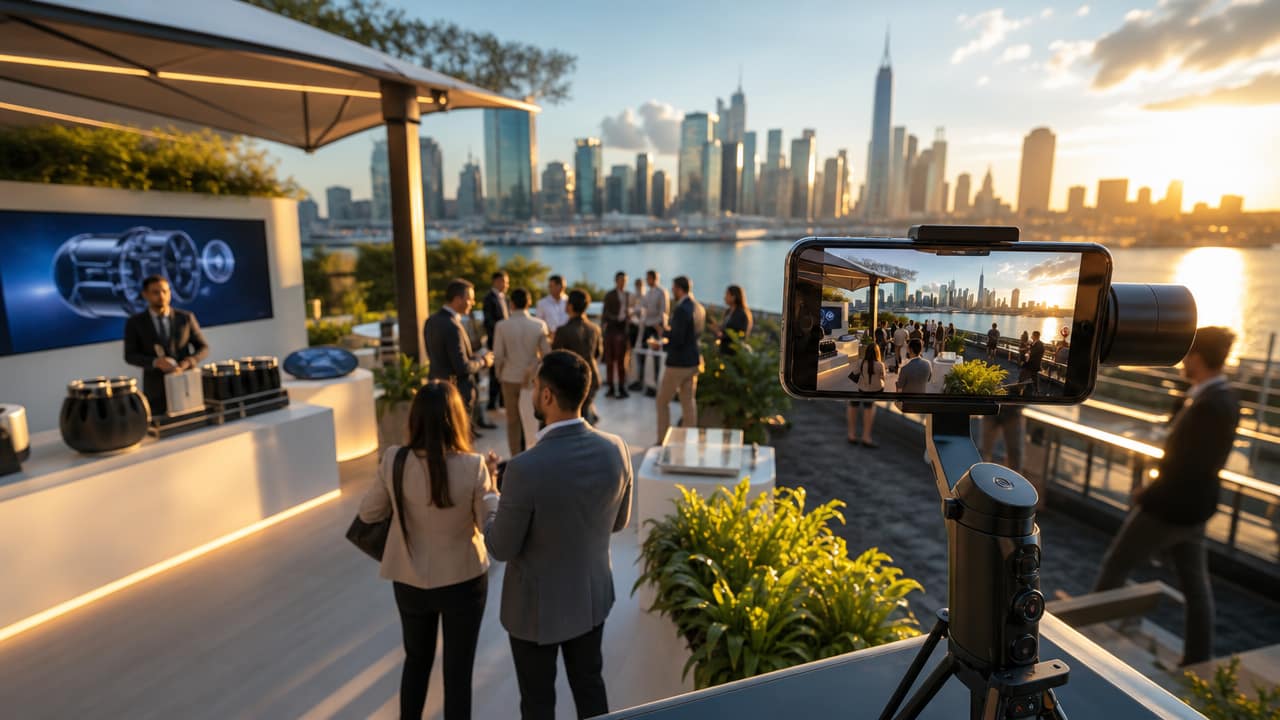



Leveraging Influencer Marketing for Trade Show Success is rapidly becoming a defining factor in how Australian exhibitors cut through the noise at major events. While brands invest heavily in creators online, many still approach trade shows with a pre-digital mindset. Glossy brochures, static signage and generic email blasts dominate, even as buyers spend more time following trusted voices on social channels than reading traditional event collateral.
On the trade show floor, there is often a disconnect between digital visibility and in-person presence. Marketing teams treat their influencer trade show strategy as a separate initiative instead of integrating it with broader exhibition marketing. As a result, potential visitors arrive at venues unaware of who will be there, what is worth seeing, or why a particular stand matters. The gap between online engagement and on-stand activity quietly undermines otherwise solid event plans.
Australian business events generate billions in economic value, yet many exhibitors still rely on last-minute trade show promotion and hope foot traffic will follow. When stands are not amplified by creators, appointment schedules remain patchy and conversations feel transactional rather than anticipated. Over time, that weakens exhibition lead generation, forcing teams to chase deals with discounts rather than capitalising on pre-warmed demand. In an era of rising travel, freight and floor space costs, this is an expensive blind spot.

Many brands chase big-name personalities while ignoring micro-influencers for exhibitions who already speak directly to niche buyer groups. Others book creators for a single, one-off post instead of designing event influencer marketing campaigns that build anticipation over weeks. Another frequent mistake is neglecting tracking tools, making it impossible to link content to registrations, stand visits or demos. Without clear data, teams assume creators failed, when the real failure was strategic planning.
These patterns suggest an overreliance on traditional Trade Show Marketing while underplaying the role creators can have in influencer-driven lead generation. When exhibition influencer collaborations are planned early, they can guide prospects from first awareness through to on-stand meetings and follow-up conversations. Conversely, ignoring this shift leaves brands invisible in the very channels where buyers research which exhibitors deserve their limited time.
For Australian marketers, the challenge now is to reassess how trade show promotion connects with online behaviour before the next big expo season. If your team is unsure where to start, consider a structured review of your current approach to exhibition lead generation and event content. Speaking with an expert who understands both physical events and event influencer marketing campaigns can clarify which tactics genuinely move the needle. Now is the time to evaluate your strategy, seek specialist guidance and ensure your next trade show investment delivers the returns your budget demands.
Input your search keywords and press Enter.