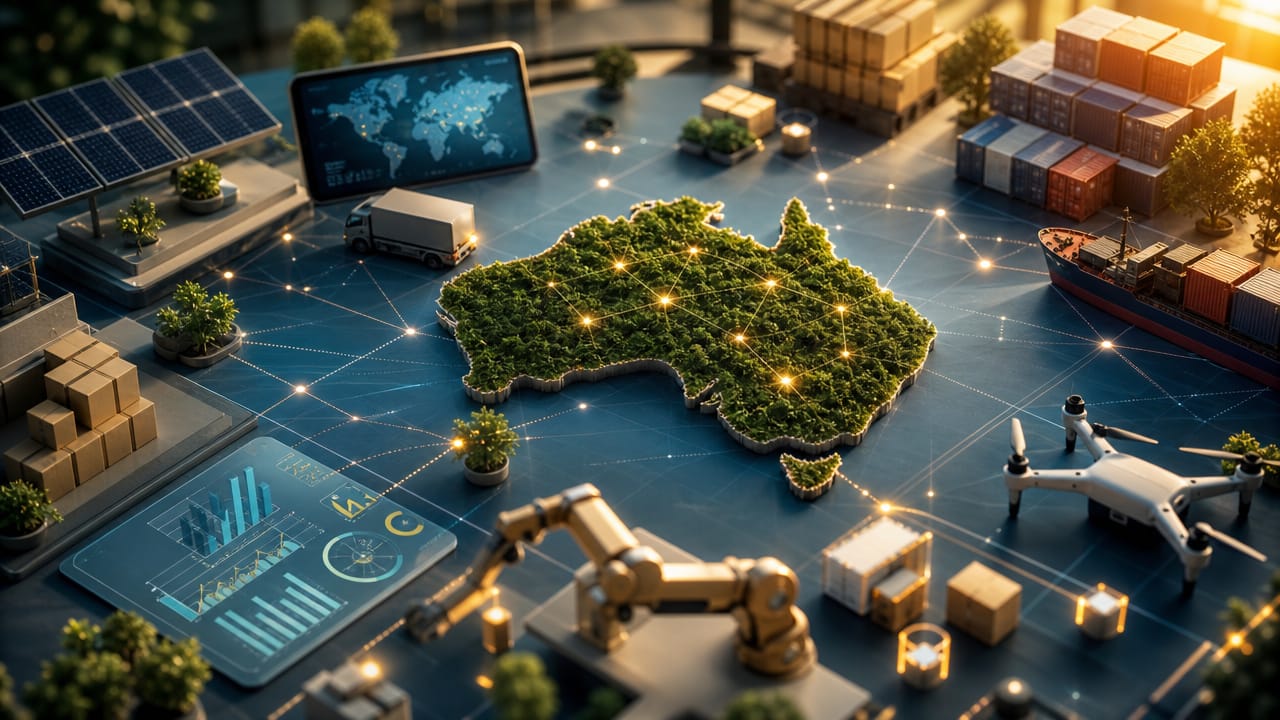



Technology for event freight is rapidly reshaping how Australian organisers plan and deliver complex shows. As margins tighten and sustainability expectations rise, the most competitive teams now treat Exhibition Logistics and Freight as a data-rich system rather than a series of one-off moves. By integrating planning, transport, warehousing, and on-site activity, they gain real-time control and can pivot quickly when conditions change.
In the next wave of Australian business events, the winners will be those who treat logistics data as a strategic asset, not a back-of-house cost centre.
Forward-looking organisers are moving beyond basic exhibition freight coordination and embracing integrated platforms that connect venues, carriers, contractors, and exhibitors. Instead of relying on spreadsheets and last-minute phone calls, event teams are deploying event logistics management software to centralise bookings, documentation, and communications. This shift reduces manual error, improves auditability, and gives stakeholders a single source of truth from pre-build through to bump-out.
Data and AI are becoming essential to de-risking peak periods in trade show logistics. Predictive models can forecast likely freight surges, assess congestion risk, and suggest dock schedules that smooth the flow of trucks and onsite labour. Combined with real-time shipment visibility from carriers and venues, operations leaders can intervene early when delays emerge. The practical upside is fewer surprises on build day and more consistent experiences for exhibitors and visitors alike.
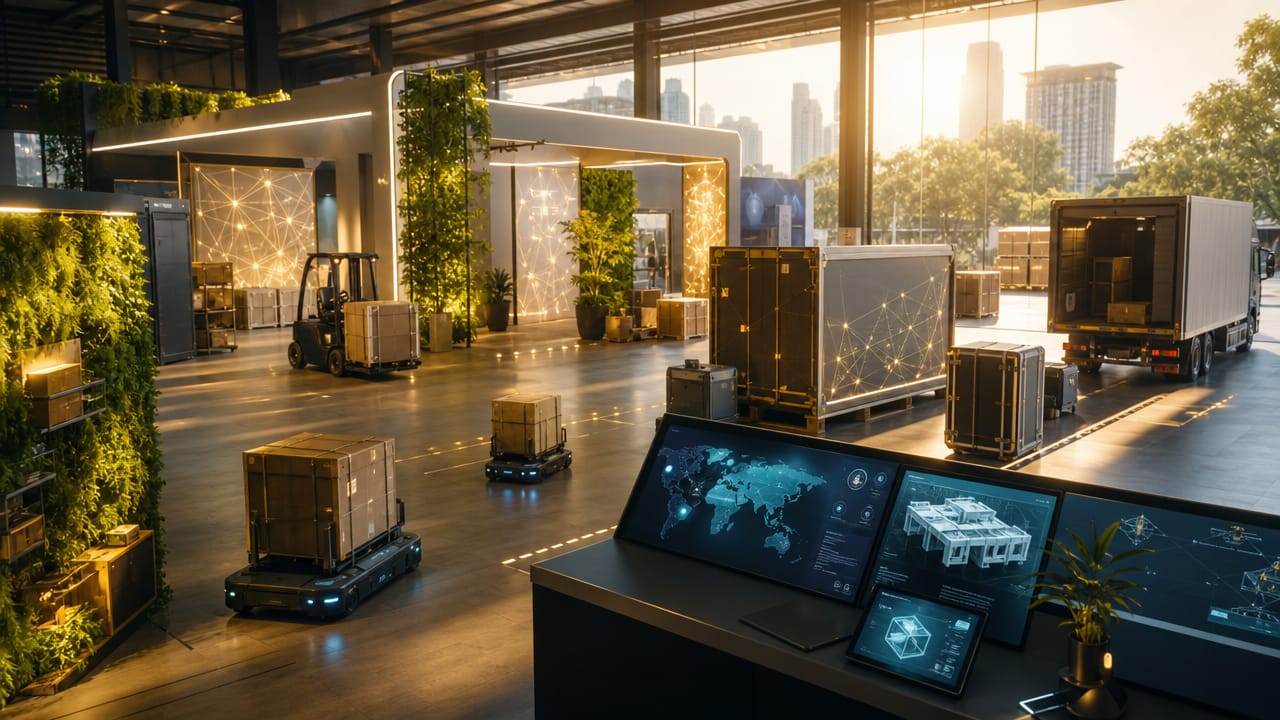
Robotics and smart warehousing, showcased at events such as CeMAT Australia, are compressing timelines and reducing risk. Automated storage and retrieval, autonomous mobile robots, and RFID tracking for exhibition gear can cut mis-picks, minimise damage, and boost inventory accuracy between shows. When integrated with smart exhibition transport tracking, these systems support just‑in‑time dispatch, enabling longer build windows while reducing dwell times and demurrage at venues.
On-site, digital trade show logistics tools are replacing paper-based processes with QR codes, mobile apps, and automated trade show freight updates. Contractors can manage online exhibition freight booking, log arrivals, and capture sign-offs in real time, creating an auditable trail for every crate. For Australian organisers, this digitisation is increasingly linked to net-zero strategies, as accurate data underpins emissions reporting and encourages lighter, reusable stand designs.
Strategically, leaders should treat technology adoption as a staged transformation anchored in clear objectives. Start by consolidating data from exhibition transport providers, warehouses, and venues, then layer on AI scheduling and decision dashboards. As confidence grows, expand into robotics-enabled facilities and advanced event logistics management software. To explore where your current exhibition logistics strategy stands and benchmark your use of technology for event freight, speak with a specialist and pressure-test your roadmap for the next generation of shows.
Input your search keywords and press Enter.