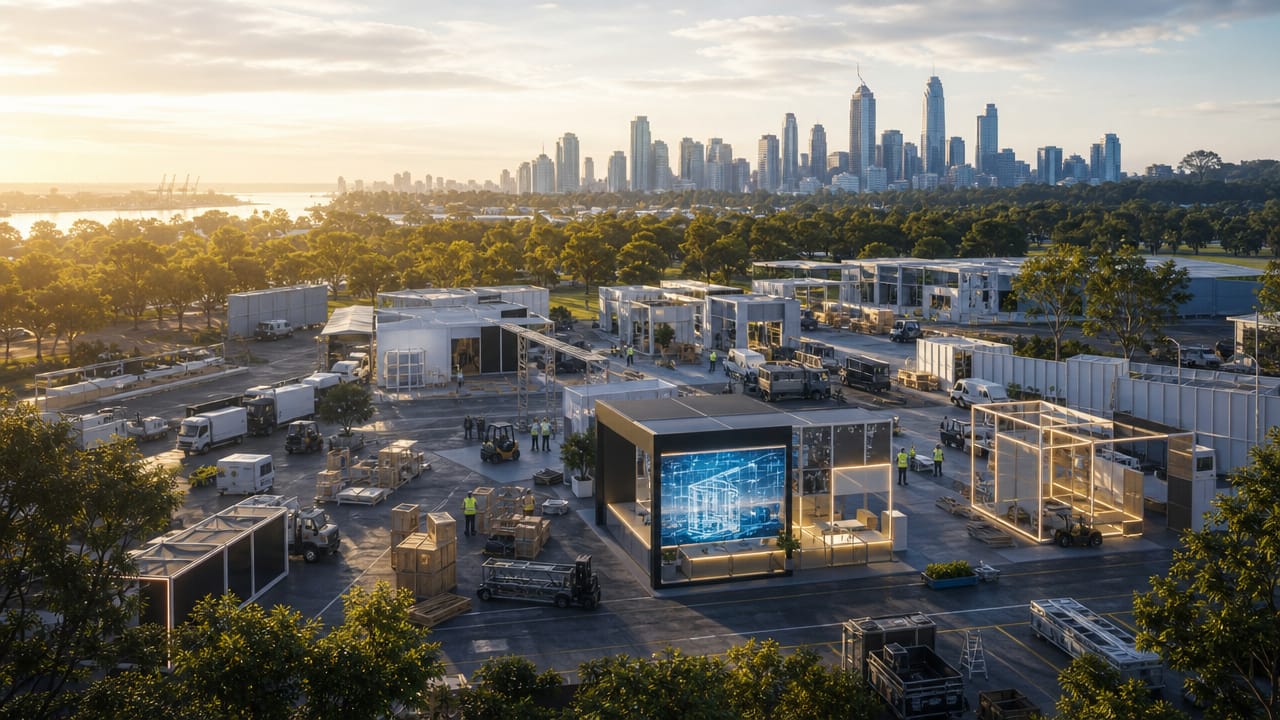



Technology now underpins streamlined Exhibition Stand Planning in Australia, helping organisations manage complex shows with accuracy and control. By digitising schedules, budgets, and communication, teams can coordinate suppliers, venues, and stakeholders without relying on spreadsheets or paper notes. This approach is especially valuable for exhibitors attending multiple events across Australian capitals and international destinations. A structured exhibition planning checklist supported by the right software reduces risk, avoids duplicated effort, and ensures each stand is delivered on time and to specification.
For Australian exhibitors, the financial and reputational stakes of each event are high, so reliable digital exhibition planning tools are essential. Project management platforms centralise tasks, approvals, and deadlines, giving everyone a single source of truth. When combined with an exhibition planning timeline, these systems make it easier to track dependencies such as stand design, freight bookings, and compliance documents. Technology also improves transparency for senior stakeholders who need real-time visibility of cost, progress, and potential risks.
Modern event planning apps for exhibitors include project boards for tasks, Gantt charts for schedules, and dashboards for budget tracking. Event management platforms handle registrations, ticketing, and lead capture, reducing manual data entry and errors. Specialist software for exhibition stand planning allows teams to test layouts, signage, and storage areas before committing to fabrication. Australian trade show planning tools increasingly integrate with accounting, CRM, and marketing systems so that exhibitor data flows smoothly between teams.

3D modelling tools enable exhibitors to create scaled stand layouts, test visitor flows, and ensure compliance with venue regulations. By adjusting furniture, displays, and demo zones on-screen, you can refine the experience before anything is built. Some teams also use cloud-based exhibition preparation environments that support VR walkthroughs for stakeholder sign-off. This detailed visualisation makes it easier to brief builders, confirm power and rigging points, and avoid costly on-site changes during trade show preparation.
Capturing data from badge scans, lead apps, and post-event surveys allows you to measure stand performance beyond simple foot traffic. When combined with a virtual exhibition planning timeline, these insights reveal which designs, locations, and activities generate the strongest engagement. Teams can then adjust messaging, staffing, and layouts for future shows, strengthening return on investment. Many exhibitors also maintain a technology-driven planning checklist so lessons learnt from each event are built into the next cycle.
To progress your own Exhibition Stand Planning approach, start by mapping current processes and identifying where delays or confusion commonly occur. Consider whether online trade show preparation and cloud-based tools could replace manual spreadsheets or scattered email threads. Prioritise solutions that integrate with your CRM and marketing platforms so data captured on the stand can be followed up quickly. As you refine your system, review it after each show and update your exhibition planning timeline with clearer steps. If you are unsure which australian trade show planning tools best suit your organisation, speak with an events specialist who can help you compare options, clarify requirements, and build a sustainable, technology-enabled planning framework for future exhibitions.
Input your search keywords and press Enter.