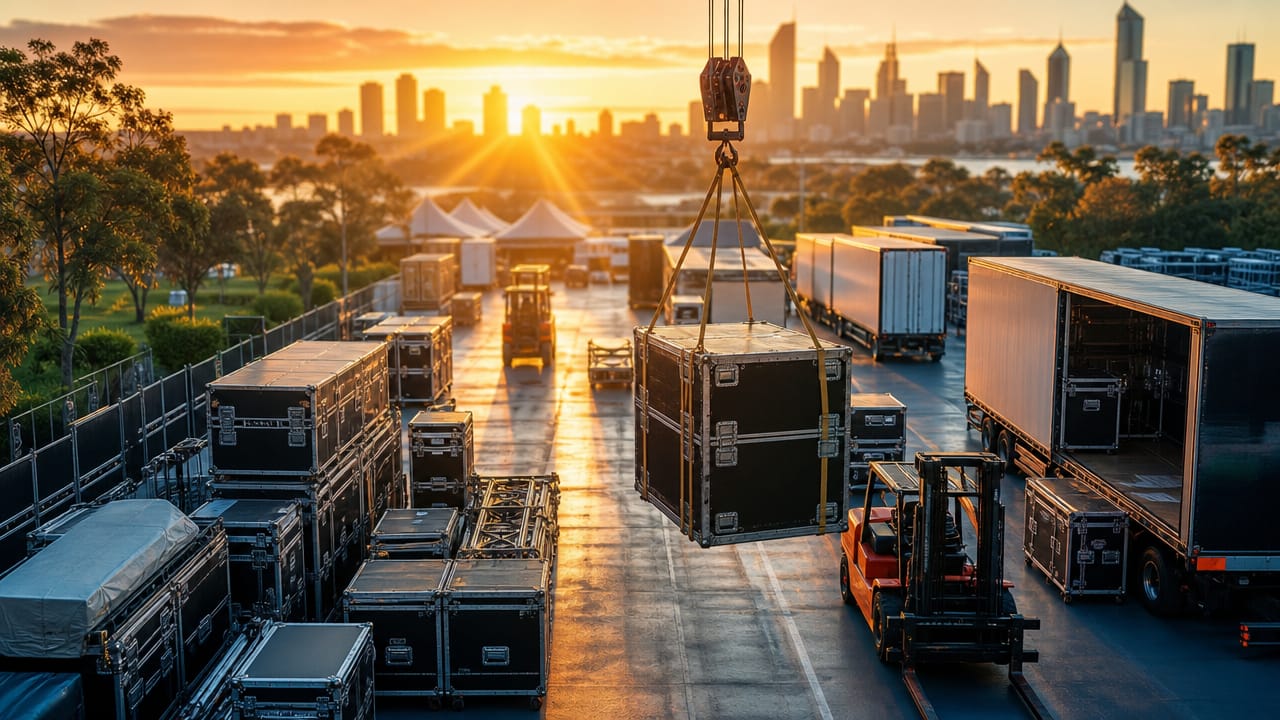



Managing heavy exhibition equipment in Australia requires more than simply booking a truck; it involves detailed planning, risk control, and close coordination with venues and contractors. Exhibitors moving large walls, machinery, AV trusses, or stages must treat Exhibition Logistics and Freight as a specialised process to avoid injuries, damage, and costly delays. This article explains the key safety and planning considerations so you can approach your next exhibition with confidence and a clear plan.
Safe handling starts with a structured risk assessment that identifies hazards such as unstable loads, pinch points, trip hazards, and moving vehicles in busy dock areas. Australian regulators expect you to eliminate risks where possible and otherwise minimise them using mechanical aids, traffic management plans, and exclusion zones. Staff should be trained in correct manual handling, including pushing rather than pulling and avoiding twisting. For heavier pieces, use pallet jacks, trolleys, or forklifts, ensuring licensed operators and pre-use equipment checks are in place.
Effective heavy equipment freight planning begins weeks before bump‑in with a clear schedule for collection, transport, installation, and dismantle. You should confirm load dimensions, weight, and centre of gravity so the right trucks, lifting gear, and rigging can be booked and approved early. Including contingency time in your timeline reduces pressure if traffic, weather, or site delays occur. When scoping your exhibition freight tasks, consider whether any machinery, cranes, or elevated work platforms will trigger additional permits or Safe Work Method Statements.

Early engagement with venue loading dock logistics teams helps you understand access windows, dock heights, ceiling clearances, and floor load limits. On the show floor, clearly marked pedestrian and vehicle routes, combined with trained spotters, support safer on-site handling of displays in crowded aisles. Tall or top‑heavy stands may require extra bracing or anchoring to meet venue engineering rules. You should also allow for temporary storage of stand materials so crates, cases, and spares are kept secure but away from public areas.
Many exhibitors engage specialist providers for exhibition transport and trade show logistics, particularly when moving oversized or fragile structures between cities. A capable partner will understand australian trade show transport rules, venue procedures, and interstate exhibition freight services requirements. Look for documented safety systems, insurance coverage, and experience at major convention centres. Ask how they manage secure packing for exhibition stands, return transport for exhibition gear, and any short‑term warehousing you may need between events.
Before your next event, review your procedures for Exhibition Logistics and Freight, including induction records, lifting equipment, and contractor communication protocols. Clarifying responsibilities between your team, builders, and carriers reduces confusion on site and helps keep schedules realistic. If you are unsure where to begin, speak with a specialist provider who can map out options and limitations for your stand. By investing time in planning and expert guidance, you can protect your staff, budget, and exhibition assets while delivering a smoother experience for visitors.
Input your search keywords and press Enter.