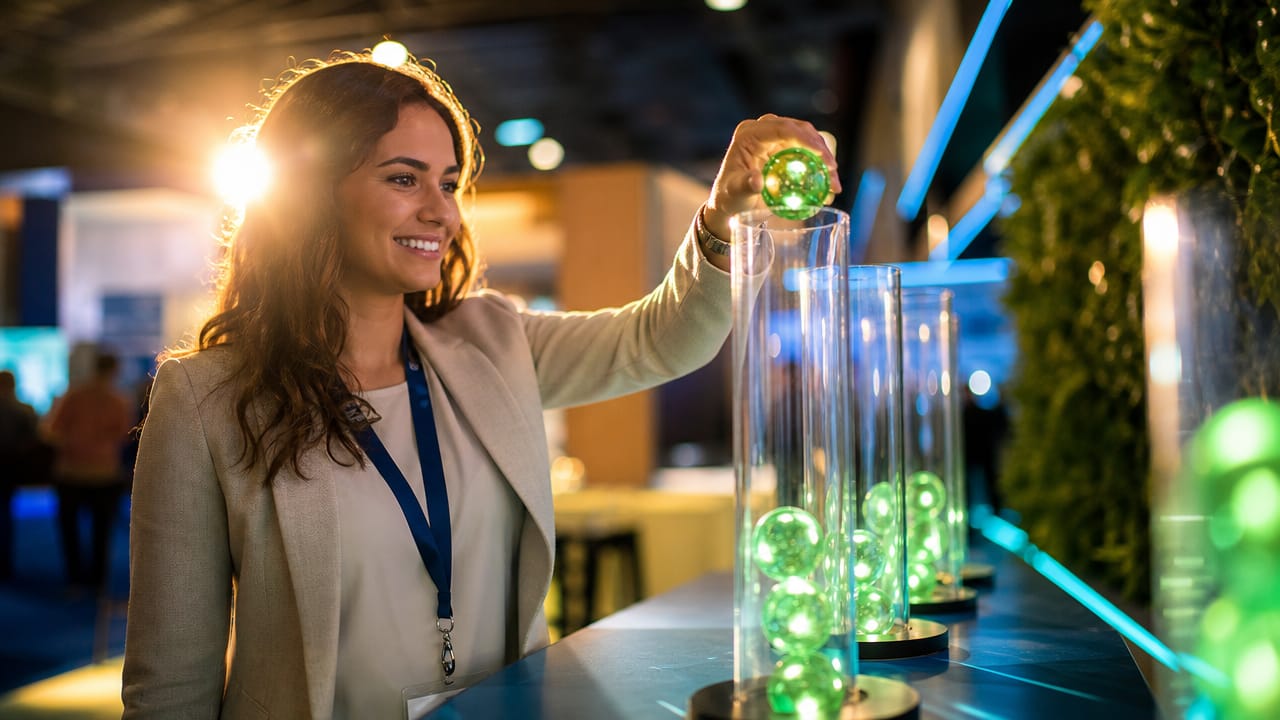



How to Use Gamification to Drive Booth Traffic is fast becoming a central question for Australian exhibitors competing for attention in crowded halls. Rather than relying on static displays and generic giveaways, brands are turning to interactive trade show games that reward participation, educate buyers and feed data into their sales funnel. Done well, gamification in exhibition marketing blends entertainment with strategy, converting casual passers-by into engaged prospects who stay longer and remember your message after the event.
Gamification in this context means applying points, challenges, prizes and competition to your stand experience so that exploration feels like playing a game. In Australian Trade Show Marketing, that can range from simple digital prize wheels to multi-stage challenges that unlock content, samples or VIP experiences. The goal is not just noise and spectacle, but structured exhibition lead generation that nudges visitors through discovery, qualification and data capture. This approach is particularly effective in sectors where complex products benefit from guided, hands-on learning.
Common booth gamification strategies include trivia quizzes on tablets, digital scavenger hunts, timed skill challenges, live leaderboards and AR or VR demonstrations tied to your solution. Exhibitors looking for gamification ideas for exhibitors can also mix instant-win rewards with a major draw to cater for different motivation types. Construction suppliers, for example, might run safety quizzes, while SaaS providers use scenario-based puzzles to highlight product features. The most effective trade show competition concepts are simple to grasp in seconds yet offer enough depth to keep attendees returning with colleagues.
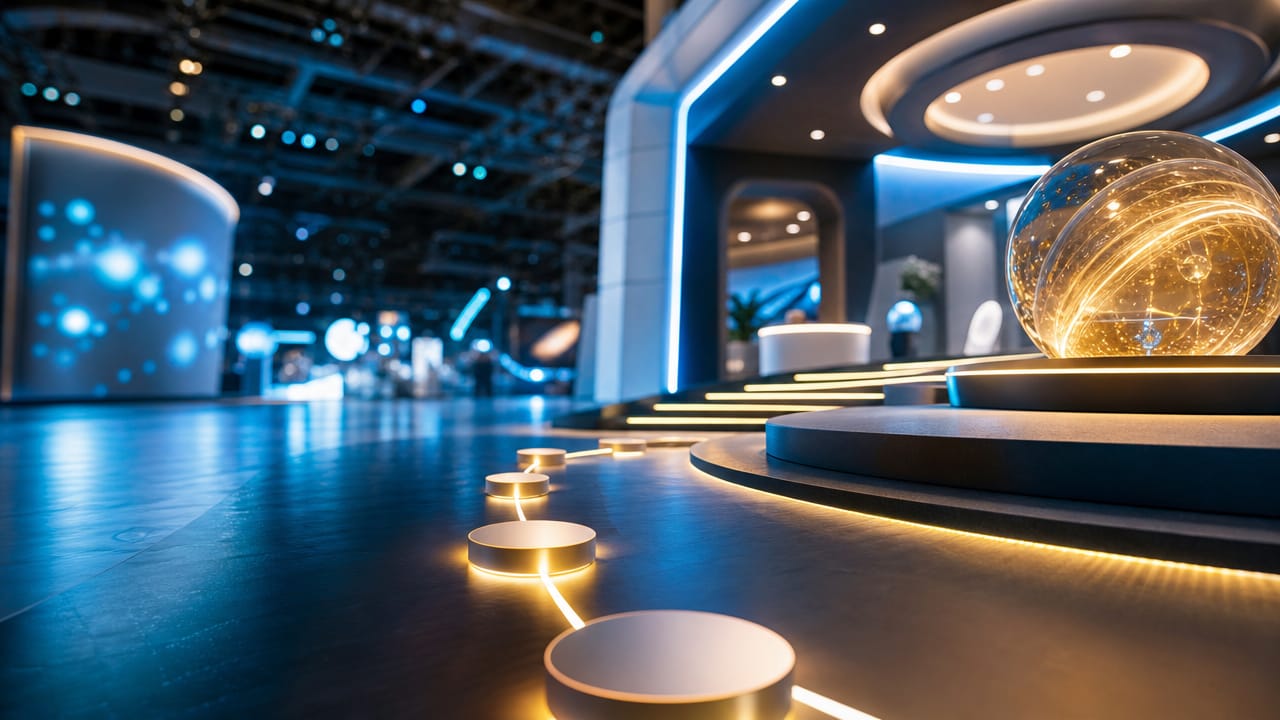
The most engaging exhibition game mechanics are driven by clear objectives rather than novelty. If your priority is data quality, gamified lead capture tactics can award higher scores for visitors who answer profiling questions or book a follow-up demo. Where education matters most, levels can unlock short videos, AR overlays or mini case studies that explain your solution step by step. For brand visibility, games can encourage social sharing and trade show promotion by rewarding posts that feature your stand and event hashtag.
On the technical side, solutions range from off-the-shelf apps through to fully bespoke builds integrated with QR codes, NFC badges and your registration system. Reliable devices, clear instructions and staff who can coach shy visitors are vital, especially when you are running multiple interactive touchpoints. To maximise ROI, compare performance metrics such as dwell time, scan-to-meeting conversion and post-show pipeline value between gamified and traditional Trade Show Marketing activity. Exhibitors that review results show by show can refine formats, simplify rules and scale what works across their national event program.
For Australian marketers weighing up these options, the decision comes down to matching budget and complexity with clear commercial outcomes. Simple plug-and-play games suit smaller stands testing interactive tactics for the first time, while larger brands often invest in custom booth experiences that can tour multiple capital-city expos. In both cases, viewing gamification as a structured tool for exhibition marketing – rather than a gimmick – helps teams justify spend and brief suppliers effectively. If you are planning your next stand, it may be worth speaking with an independent specialist to compare concepts, shortlist practical solutions and design a game plan that turns exhibition floors into reliable sales channels.
Input your search keywords and press Enter.