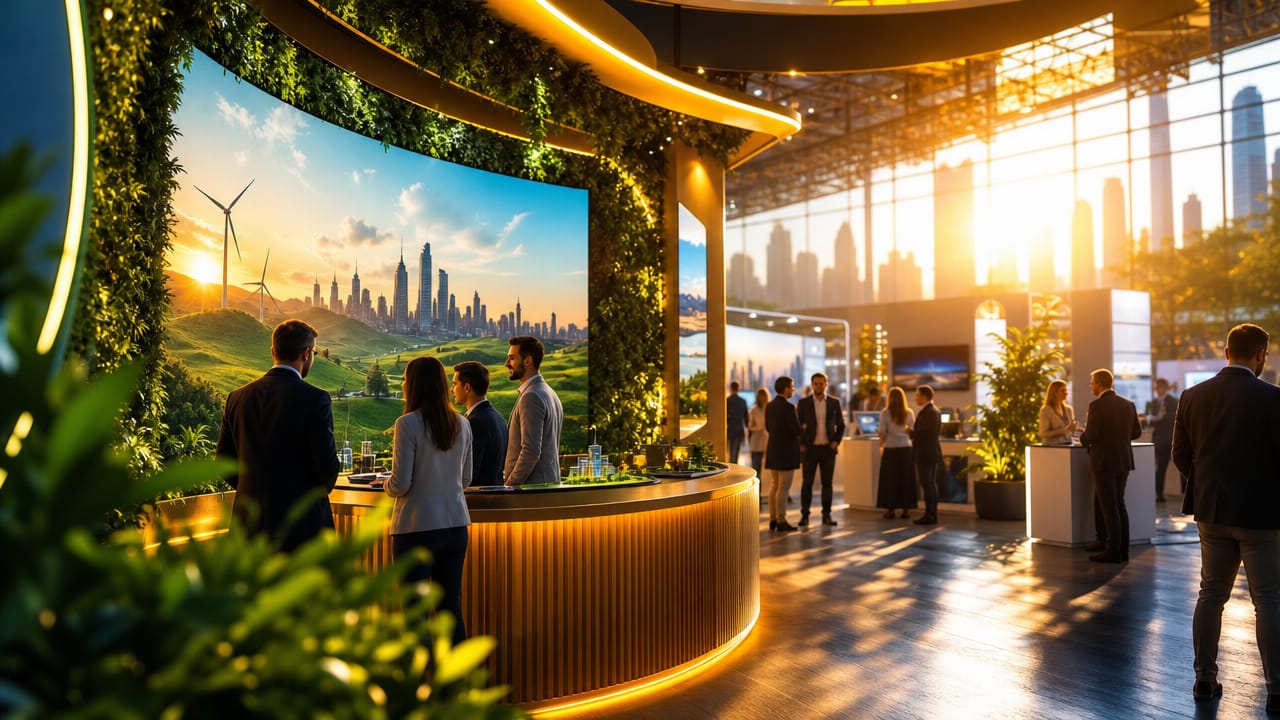



Developing a compelling narrative for your exhibition stand is essential in competitive Australian trade shows, where visitors decide quickly whether to stop. A clear, audience-focused story helps people understand who you are, what you offer, and why it matters to them. When Exhibition Stand Planning is guided by narrative, every design and staffing decision supports a single, memorable idea. This approach turns a collection of graphics, products, and people into a cohesive experience that feels relevant, trustworthy, and worth a visitor’s limited time.
Exhibition storytelling aligns your brand message, stand design, and staff conversations around one central promise or benefit. Instead of listing features, you frame your stand as a short journey that addresses a visitor’s challenge and shows a clear outcome. A simple exhibition planning checklist can help you confirm that your graphics, demonstrations, and giveaways all reinforce the same message. This clarity reduces confusion on the show floor and helps visitors quickly see whether your stand is worth exploring further.
A strong story gives context to your products, turning technical details into practical benefits that resonate with buyers. In busy exhibition halls, narrative-led stands typically enjoy longer dwell times because visitors understand what to look at and why it matters. Narrative also supports trade show preparation by guiding decisions on which products to highlight and which case studies to feature. For Australian businesses, a clear, honest story can differentiate your brand from competitors offering similar solutions.

Think of your stand journey as having a beginning, middle, and end. The beginning is your hook: a headline or question that speaks directly to a key problem your visitors face. The middle allows exploration through demos, samples, or content that demonstrate how you solve that problem. The end provides a clear next step, such as booking a follow-up meeting or scanning a QR code. Planning this story arc early supports an effective exhibition planning timeline and avoids last-minute changes on site.
For local shows in Sydney, Melbourne, or Brisbane, direct and transparent communication is especially effective. Support your story with concise proof, such as short case studies, numbers, or testimonials that feel relatable to Australian audiences. Your staffing plan for exhibitions should ensure everyone can explain the narrative in plain language and ask visitors good qualifying questions. When you review performance post-event, look at which parts of the story attracted attention and which were ignored to refine your next pre-show exhibition planning cycle.
Before finalising design or build decisions, clarify your exhibition objectives and planning priorities, including target visitors, key messages, and exhibition stand space requirements. Map these decisions against your content, tech, and exhibition stand preparation steps so that nothing important is left to chance. A simple pre-event stand planning timeline can keep designers, builders, and sales teams aligned around the same visitor journey. By investing in clear narrative thinking early, you give your stand a stronger chance of converting casual interest into informed conversations and future business. Consider documenting your trade show stand briefing as a reference for future events.
To deepen your understanding of narrative-led stands and ask specific questions about your next show, consider speaking with an exhibition specialist who can review your plans, challenge your assumptions, and help structure a stand journey that suits your budget and objectives. An expert can also advise on tailoring your story to different event types and refining it using real engagement data after each show, so your approach becomes stronger and more efficient over time.
Input your search keywords and press Enter.