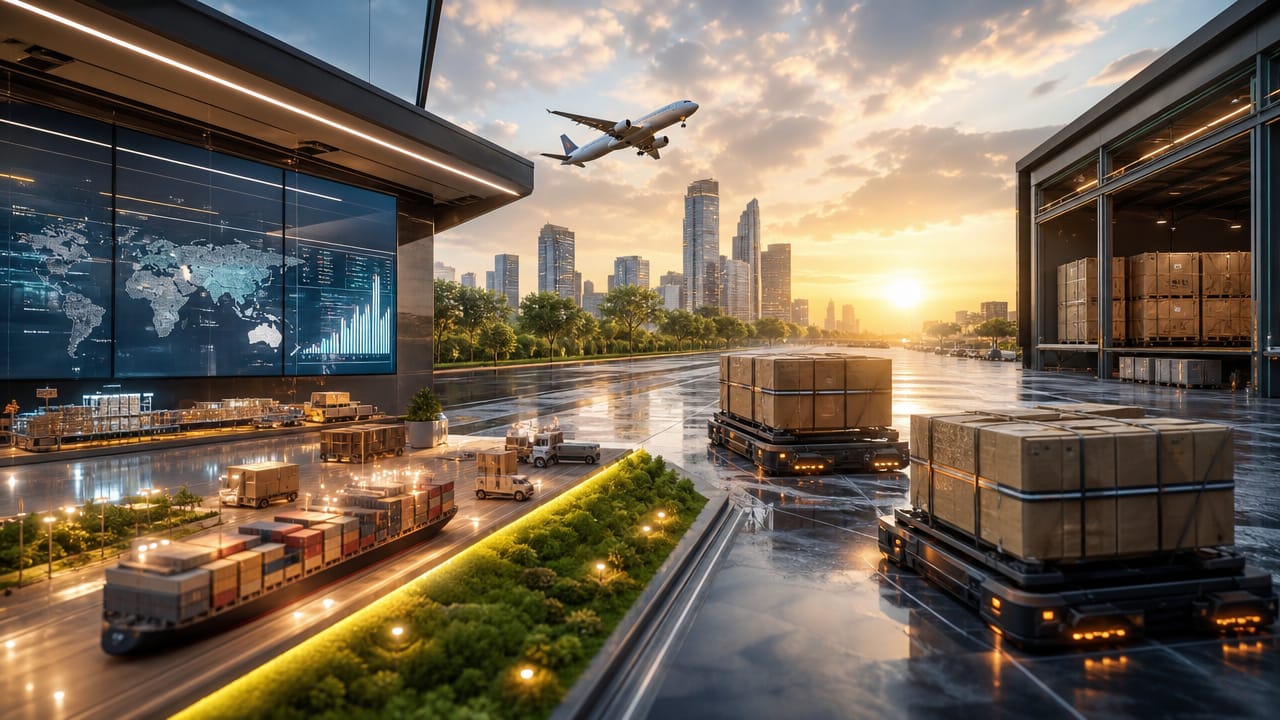



Developing a risk management strategy for exhibition logistics is essential for Australian businesses moving displays, samples, and equipment to events around the country and overseas. A structured approach helps protect valuable assets, avoid delays, and keep your team and contractors aligned from planning through to pack-down. By understanding the key risks in Exhibition Logistics and Freight, you can make informed decisions, reduce costly surprises, and maintain your professional reputation with clients and stakeholders.
Risk management in exhibition logistics involves identifying, assessing, and controlling threats that may disrupt the safe, timely movement of your stand and materials. Typical risks include transport delays, damaged goods, labour shortages, and documentation errors at customs. For Australian exhibitors, interstate exhibition logistics can also be complicated by long distances, regional weather, and differing local regulations. A documented plan clarifies who does what, when, and how, so your team can respond quickly when something goes wrong.
Start by listing all potential issues across the lifecycle of your exhibition freight, from collection and packing through to return after the event. Consider transportation delays, equipment failures, venue loading dock procedures, and any fragile or high-value items needing extra protection. Next, assess each risk for likelihood and impact, ranking them from minor inconvenience to major disruption. This simple analysis helps you prioritise controls, focusing time and budget on the problems most likely to jeopardise your exhibition goals.
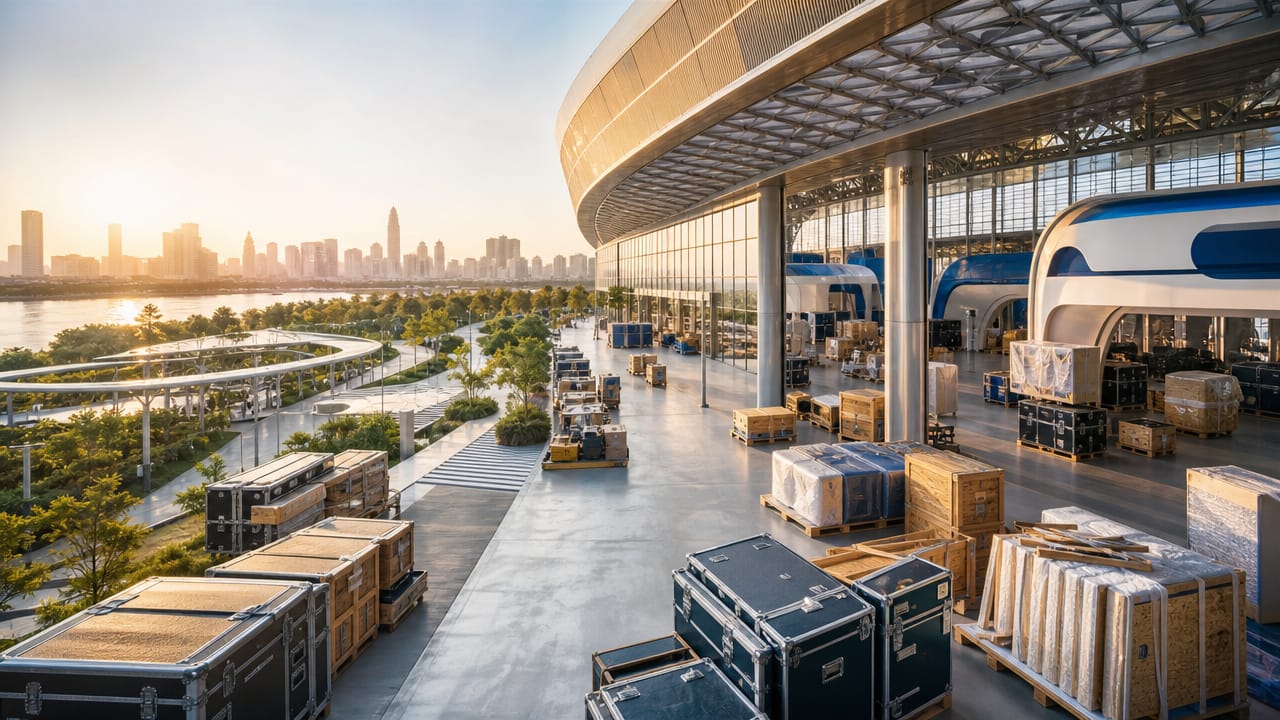
A robust strategy combines prevention and backup options. Practical measures include an exhibition transport checklist, clear labelling, and high-quality packaging for delicate displays. Build flexibility into trade show freight schedules, allowing buffer time for weather or traffic delays, especially when using road and rail across state borders. Secure storage for exhibits at or near the venue can reduce handling and theft risks. Confirm insurance cover for exhibition freight planning, including transit, storage, and public liability where required by organisers.
Before a major show, test your plan with a small shipment or a mock run, checking documentation, communication channels, and tracking systems for gaps. During the event, monitor each stage of trade show logistics, from arrival at the dock to stand build, daily operations, and pack-down. Document any issues with exhibition transport so you can refine procedures next time. After the event, review what worked, what failed, and how return freight coordination could be improved for future campaigns.
For complex or high-value events, many Australian exhibitors engage specialists in event freight risk management to coordinate customs, timing, and on-ground handling. This support is particularly useful when managing multiple venues, strict bump-in windows, or international exhibition freight. To deepen your understanding and plan your next show with confidence, consider speaking with an expert about tailored Exhibition Logistics and Freight solutions that match your schedule, budget, and risk profile.
Input your search keywords and press Enter.