


Understanding the role of customs in exhibition freight is essential for Australian exhibitors moving stands, samples, and marketing assets across borders. Customs authorities determine how quickly your shipment is processed, what duties apply, and whether your display arrives in time for bump-in. A clear grasp of australian trade show customs rules helps you budget accurately, plan your schedule, and reduce the risk of last‑minute disruptions at the venue.
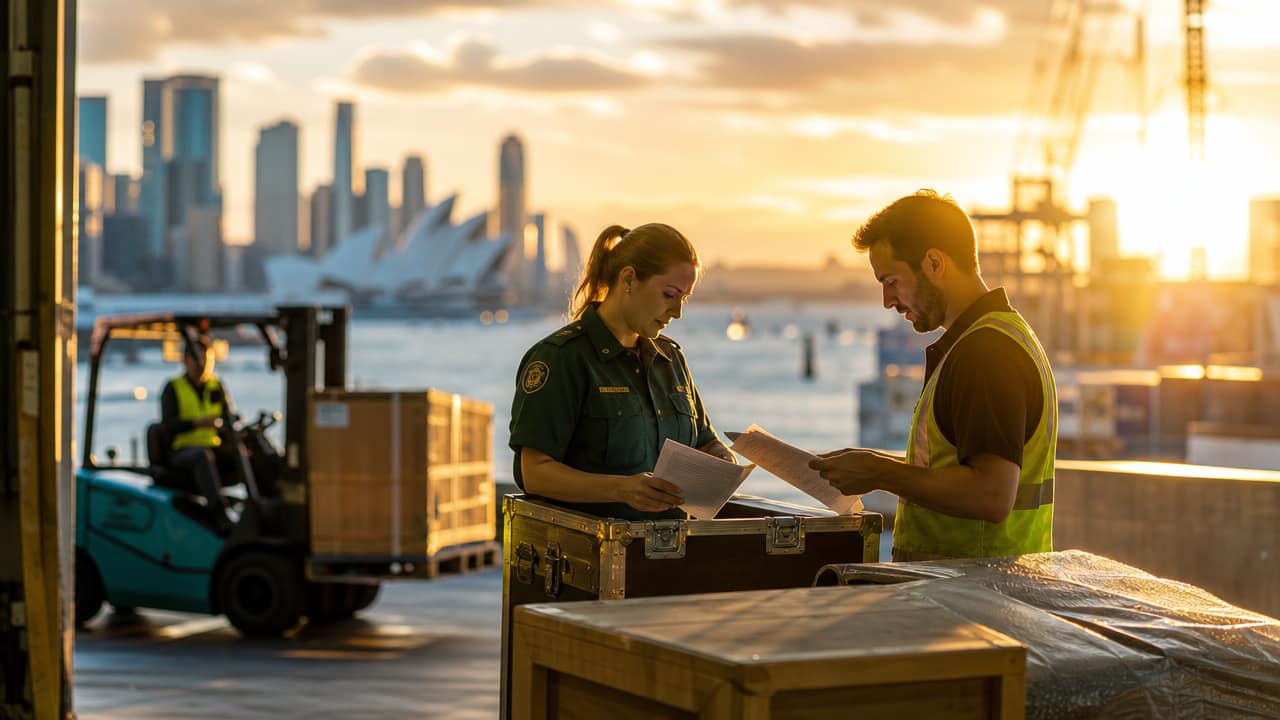
Customs sits at the centre of international trade show logistics, checking your documents and physically inspecting selected cargo. Officers verify that your declared values, quantities, and product descriptions match what is actually shipped. When this information is incomplete or inconsistent, inspections can intensify, leading to storage fees, missed installation windows, or even refusal of entry. For time-sensitive exhibition freight, these delays can undermine your entire event strategy and waste significant marketing investment.
A core requirement is accurate customs paperwork for event freight, including commercial invoices, packing lists, and import declarations. These records must clearly state what each item is, its value, and whether it will be sold, consumed, or re-exported. Customs uses harmonised tariff codes to decide duty and gst on exhibition displays, which may still apply even when goods are only on temporary display. Understanding these classifications enables exhibitors to forecast landed costs and avoid unpleasant financial surprises.
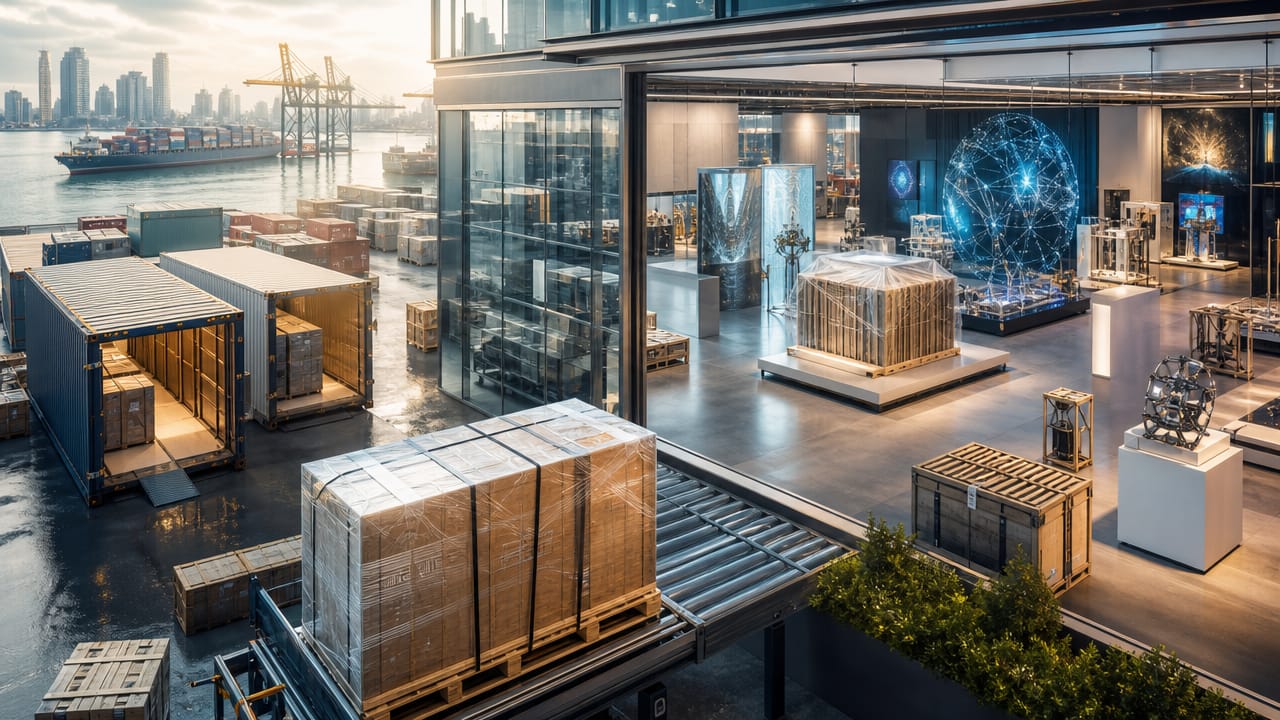
Because most exhibits are not sold locally, temporary import for exhibition stands is a critical concept. Mechanisms such as ATA Carnets and security-backed temporary import permissions can significantly reduce up-front tax exposure. When planning carnet options for trade show freight, exhibitors should confirm re-export deadlines and proof-of-export requirements. In some cases, bonded storage for exhibition equipment between events can provide additional flexibility, allowing goods to remain under customs control without immediate payment of duties.
Effective customs clearance for exhibition freight starts with freezing your shipment list early, including serial numbers and precise values. Clear, non-technical descriptions help officers identify items quickly, which is vital for avoiding customs delays for exhibitions. Discuss specific requirements for exhibition transport with your specialist forwarder, including inspection timeframes and quarantine considerations. A knowledgeable partner in Exhibition Logistics and Freight can coordinate with Australian Border Force and overseas agencies, helping you meet strict venue deadlines with confidence.
Before committing to an event, assess your route, transit time, and customs touchpoints, especially when multiple countries are involved. Confirm whether exhibition freight will travel by air or sea and how this affects documentation cut-off times. Ask your logistics provider how they handle trade show logistics during peak seasons and what contingencies they recommend if inspections are extended. By understanding the role of customs and planning accordingly, you can protect your budget, your schedule, and the impact of your next international showcase.
If you are planning an overseas stand and want to refine your customs strategy, consider speaking with a specialist who can review your documents, timelines, and risk areas. An informed conversation now can help you streamline future shipments, reduce border surprises, and make better use of professional guidance before your next event.
Input your search keywords and press Enter.