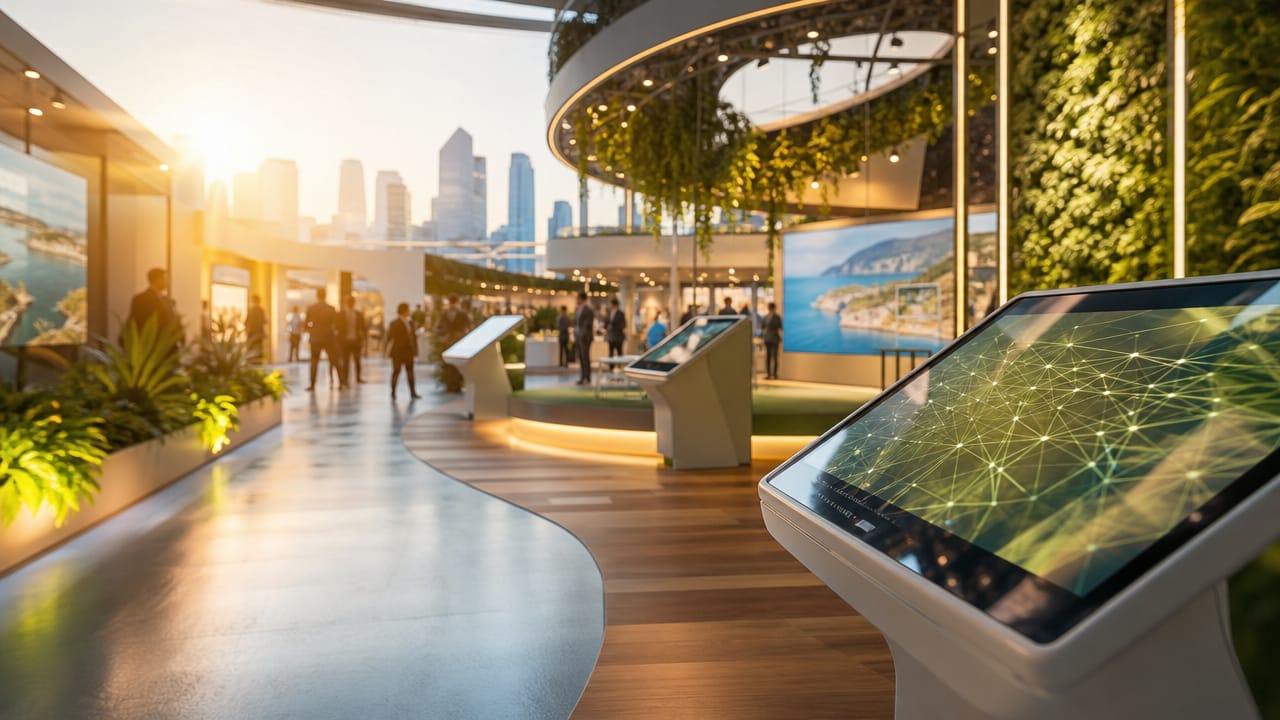



Interactive elements have become essential to effective Exhibition Stand Planning, especially in the competitive Australian trade show environment. Visitors now expect hands-on experiences that help them understand products quickly and remember brands long after the event. When digital tools and live demonstrations are integrated well, they can significantly increase dwell time, data capture, and qualified conversations. Thoughtful planning ensures technology supports your commercial objectives rather than becoming a distraction or a drain on your budget.
Interactive stands invite visitors to participate instead of passively viewing graphics or brochures. Common examples include touchscreens, product configurators, digital surveys, VR experiences, and guided demos linked to a clear staffing plan for exhibition stands. For Australian organisers, the goal is to create a clear journey: attract attention from the aisle, encourage engagement at the edge, and move serious prospects towards deeper conversations. Mapping this journey early will help you prioritise which tools are genuinely useful.
Touchscreens and tablets allow visitors to explore product ranges, watch case studies, or submit quick enquiry forms at their own pace. Gamification can support trade show preparation by using quizzes, scoreboards, or instant-win prizes to capture contact details in a fun, compliant way. Simple QR codes connect physical displays to videos or brochures hosted offline to avoid venue Wi-Fi issues. For many Australian exhibitors, live product demonstrations, tastings, or trials remain highly effective, especially when supported by concise digital content and clear calls to speak with a specialist.
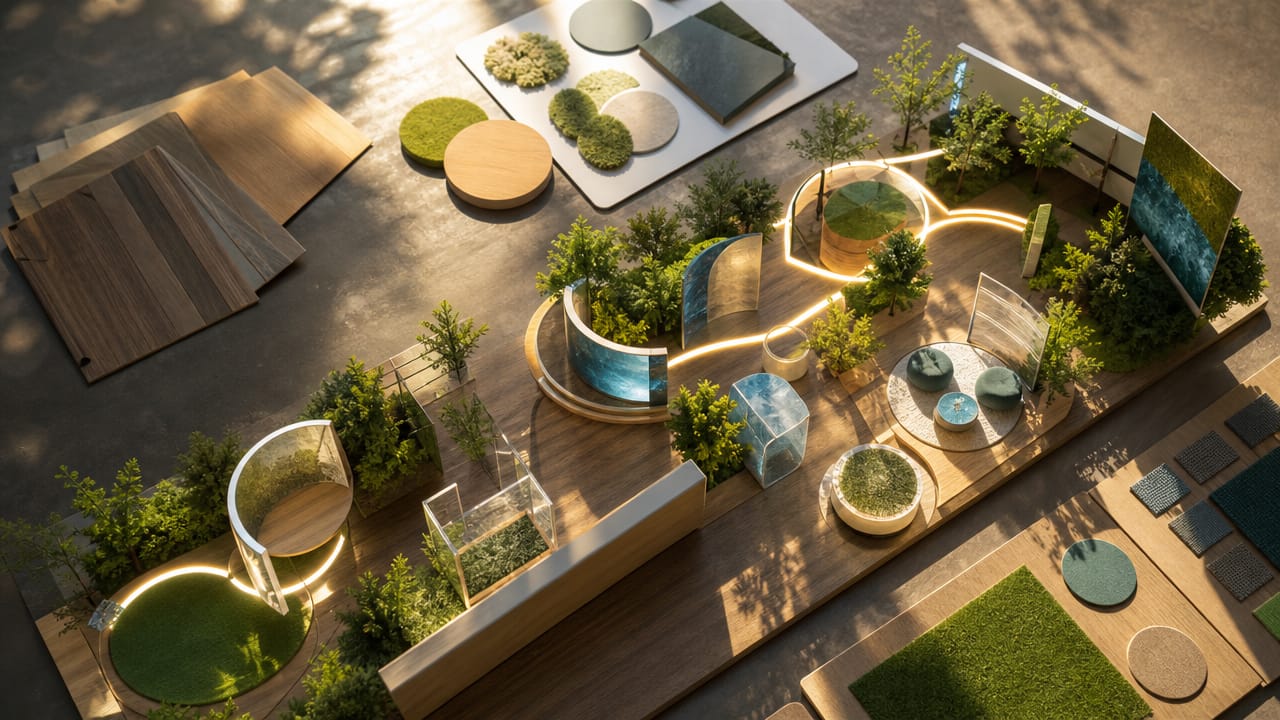
Start by setting clear objectives: lead generation, product launch, education, or brand awareness. Then define pre-show exhibition planning steps that align each interactive element to those goals, rather than adding technology for its own sake. A simple exhibition planning checklist might cover content development, hardware testing, data capture flows, and staff role definitions. Build a realistic exhibition planning timeline that includes rehearsals, contingency plans for technical issues, and data privacy checks. This approach helps you create a practical timeline for exhibition stand planning that your team can actually deliver.
At a technology expo, a software firm might use a kiosk where visitors build a sample configuration, then receive a follow-up email summarising their choices as part of a detailed trade show prep schedule. A tourism board could combine VR headsets with a simple competition and printed maps, supported by an exhibition stand planning checklist Australia teams can follow on-site. Common pitfalls include unclear instructions, overlong activities, and reliance on unstable Wi-Fi, which can all reduce engagement. Keeping interactions intuitive, short, and well supported by staff usually delivers better results.
To explore which interactive tools best suit your budget, objectives, and Australian trade show environment, consider reviewing your current exhibition planning checklist with a specialist. An experienced consultant can recommend options, refine your trade show stand preparation guide, and help prioritise pre-event exhibition planning tasks that improve lead quality. This kind of Australian trade show planning guide support can also ensure measurement is in place, so you can evaluate performance after each event. With a structured approach, your next stand can move from passive display to high-performing interactive experience.
Input your search keywords and press Enter.