



Exhibition freight transport in Australia presents unique challenges, from long interstate line‑haul routes to strict venue access rules and tight build‑up windows. Effective coordination is essential to minimise delays, damage, and unexpected costs that can easily undermine an exhibitor’s budget. Professional planning becomes even more critical when freight is travelling from overseas, with Australian customs and biosecurity requirements adding extra complexity. By understanding the key risks in advance, exhibitors can make informed decisions about packaging, timing, and service providers, rather than reacting to issues on site.
Australia’s geography means freight often moves vast distances between capital cities and regional centres, increasing exposure to weather, road closures, and capacity constraints. Venues commonly impose strict schedule windows, height limits, and safety requirements that complicate trade show logistics. International exhibitors must also manage import regulations, quarantine inspections, and documentation checks that can delay exhibition freight. Local public holidays and peak freight seasons can further stretch transit times if not factored into planning. These conditions make experienced, Australia‑focused logistics support particularly valuable.
Late arrivals are one of the most damaging problems in exhibition transport because stand builders, electricians, and installers depend on freight being on site at specific times. A practical method is to plan backwards from the event opening, building in buffers for customs clearance, road congestion, and potential flight disruptions. When managing trade show freight deadlines, confirm cut‑off times with your carrier and allow extra days for regional or remote locations. Exhibitors should verify venue loading dock logistics, including booking systems and vehicle restrictions. Reliable track‑and‑trace tools help teams react quickly if schedules slip.
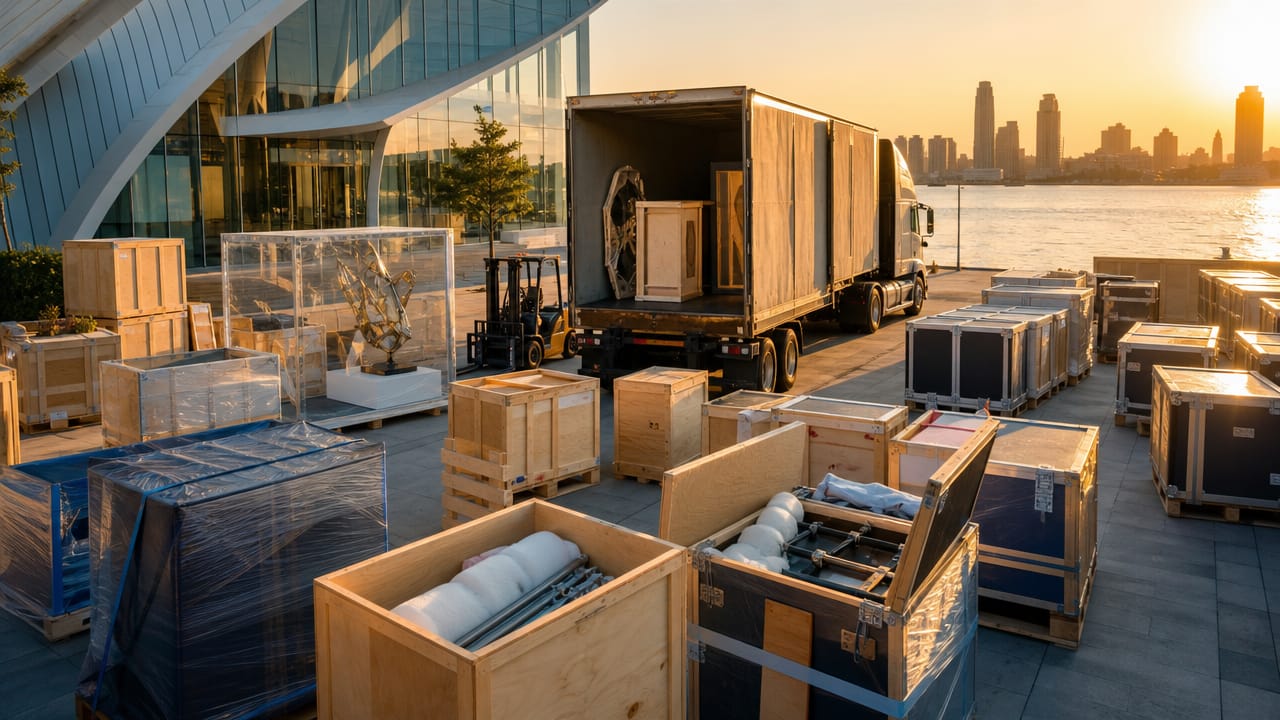
Many exhibition stands include fragile prototypes, high‑value electronics, and custom-built displays that cannot easily be replaced. Poor packaging is a leading cause of claims, so custom timber crates, foam‑lined cases, and corner protection are worth the investment. Using shock and tilt indicators provides visibility over rough handling during interstate exhibition transport solutions. Every item should be clearly labelled with stand numbers, contact names, and handling instructions to reduce the risk of misplacement. Some venues and contractors can also arrange secure storage for exhibition crates during the show.
For international exhibitors, accurate paperwork is essential to avoid delays and penalties at the Australian border. Commercial invoices, packing lists, and temporary import paperwork such as ATA carnets must be consistent and reflect realistic values. Discuss timelines with your broker so they can select clearance pathways aligned with exhibition freight planning tips and event deadlines. Insurance should cover transit, on‑site handling, and any return freight after trade shows, with responsibilities clearly defined between organiser, exhibitor, and forwarder. Transparent, itemised quotes help you compare providers beyond headline rates.
To streamline your next shipment, begin planning eight to twelve weeks before the event and longer for international movements. Create a concise checklist covering timelines, documentation, labelling, and on‑site procedures for coordinating suppliers for exhibition freight. Include contingencies for handling delayed exhibition shipments, such as alternative routings or partial deliveries. When assessing partners, consider whether they offer end‑to‑end Exhibition Logistics and Freight support, including on‑site supervision and export coordination. If you are unsure where to start, request a pre‑show planning session to clarify options and responsibilities.
Educational Call to Action: To make better decisions about your next show, speak with an exhibition logistics specialist, ask detailed questions about customs, insurance, and venue rules, and request tailored guidance before finalising your freight plan.
Input your search keywords and press Enter.