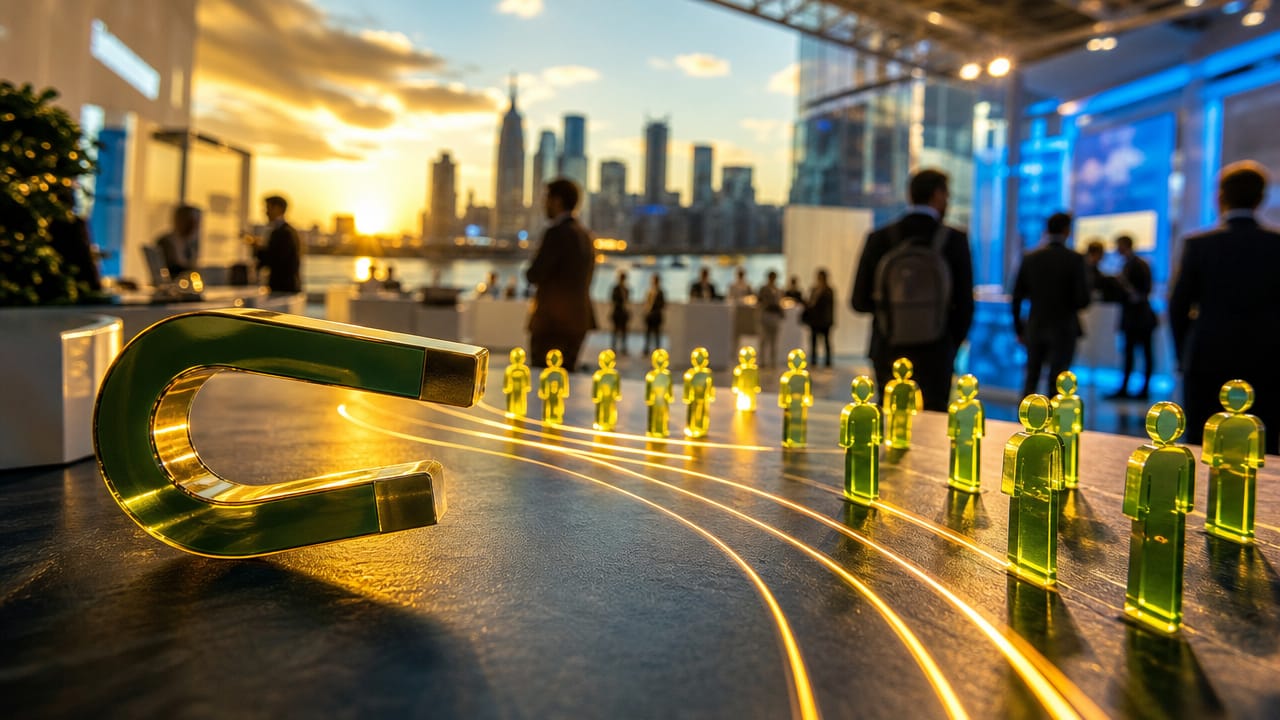



Influencer partnerships are rapidly reshaping how Australian exhibitors cut through the noise at busy events. When planned strategically, trade show influencer partnerships can extend visibility far beyond the show floor, reaching niche professional communities before, during and after the event. For brands serious about Trade Show Marketing, this is no longer an experimental channel but a disciplined, data-driven component of exhibition marketing strategy.
The real value of working with influencers at trade shows lies in shifting from borrowed reach to shared credibility.
Traditional trade show promotion is struggling against shrinking attention spans and overloaded digital channels. Australian attendees increasingly trust practitioners, specialists and creators who speak their language over generic event advertising. A smart influencer exhibition marketing strategy leverages that trust to frame your stand as a “must-visit” destination, not just another logo in the aisle. Done well, these collaborations turn your presence into a story people want to follow, not a pitch they try to avoid.
For B2B brands, relevance beats reach every time. Micro influencers for trade shows—such as niche LinkedIn educators, podcasters or technical reviewers—often drive deeper engagement than celebrity creators. Evaluate not only follower counts, but comment quality, audience fit and how often their content sparks real discussion. Look for influencers who can credibly discuss your category, contribute to thought leadership, and support exhibition lead generation with meaningful conversations, not just selfies at the stand.
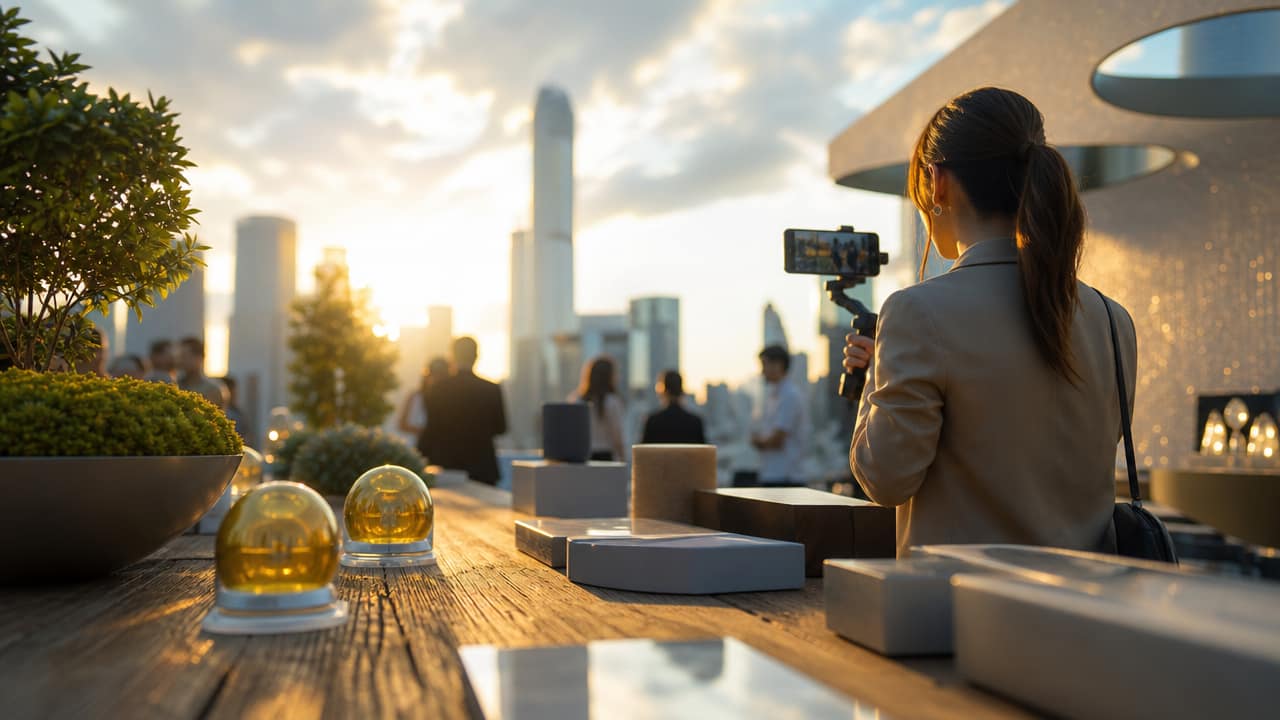
Treat social media influencers for exhibitions as creative partners rather than ad space. Co-develop influencer content for event promotion across pre-show education, live floor coverage and post-event insights, ensuring each piece supports clear commercial objectives. On site, collaborating with influencers at exhibitions through meet-and-greets, expert sessions and live demos turns digital attention into foot traffic. The most advanced teams link this with influencer-powered exhibition lead generation by using trackable offers, QR codes and tailored follow-up journeys.
To convert buzz into measurable impact, align your influencer exhibition marketing strategy with specific funnel goals and metrics. Go beyond impressions to track qualified conversations, deal influence and long-term brand lift among target accounts. Influencer-driven trade show promotion should be assessed alongside channels like advertising and email, not treated as a vanity project. Exhibitors that integrate influencers into their broader trade show influencer partnerships program will build a repeatable, data-informed playbook rather than a one-off experiment.
Now is the time to reassess how influencers fit into your broader exhibition marketing and event portfolio. Review your recent shows, identify where external voices could have sharpened your narrative, and outline a pilot program for your next major expo. If you are unsure where to start, speak with an events or digital strategist who understands both B2B buying dynamics and creator ecosystems. Taking a structured, test-and-learn approach will ensure influencer collaborations become a durable competitive advantage, not a passing trend.
Input your search keywords and press Enter.