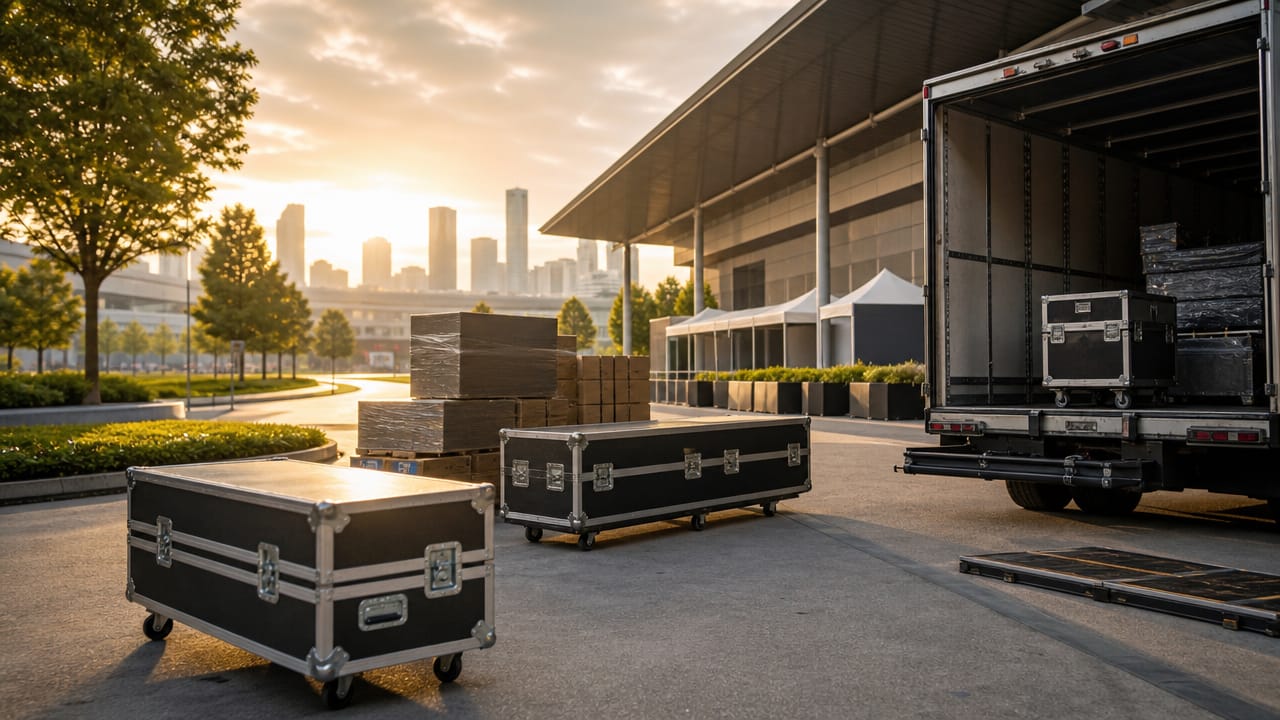



Coordinating freight with event organisers is now a strategic capability, not a back-office chore. In Australia’s fast-moving exhibitions sector, exhibitors that treat Exhibition Logistics and Freight as part of their commercial strategy achieve smoother builds, sharper budgeting, and a stronger brand presence on the show floor. As venues tighten schedules and compliance requirements, logistics decisions directly influence customer experience and sales outcomes.
When exhibitors align logistics decisions with event strategy, every pallet, crate, and delivery window becomes a deliberate investment in brand performance.
The rebound of Australian business events has amplified pressure on docks, marshaling yards, and road networks, making coordinating freight with event organisers mission-critical. Poorly sequenced loads create bottlenecks, last-minute carrier changes, and rushed bump-ins that undermine safety and professionalism. By contrast, disciplined coordination enables reliable exhibition freight flows, reduces overtime and penalty charges, and keeps on-stand teams focused on clients, not cartons.
Strategic exhibitors start by interrogating the event manual, venue regulations, and venue loading dock logistics rather than skimming them. They map responsibilities across organisers, stand builders, and logistics partners, clarifying who owns which part of trade show logistics from port to show floor. Early sharing of detailed packing lists, crate specs, and any time-critical event freight requirements allows planners to avoid clashes and optimise shared resources.
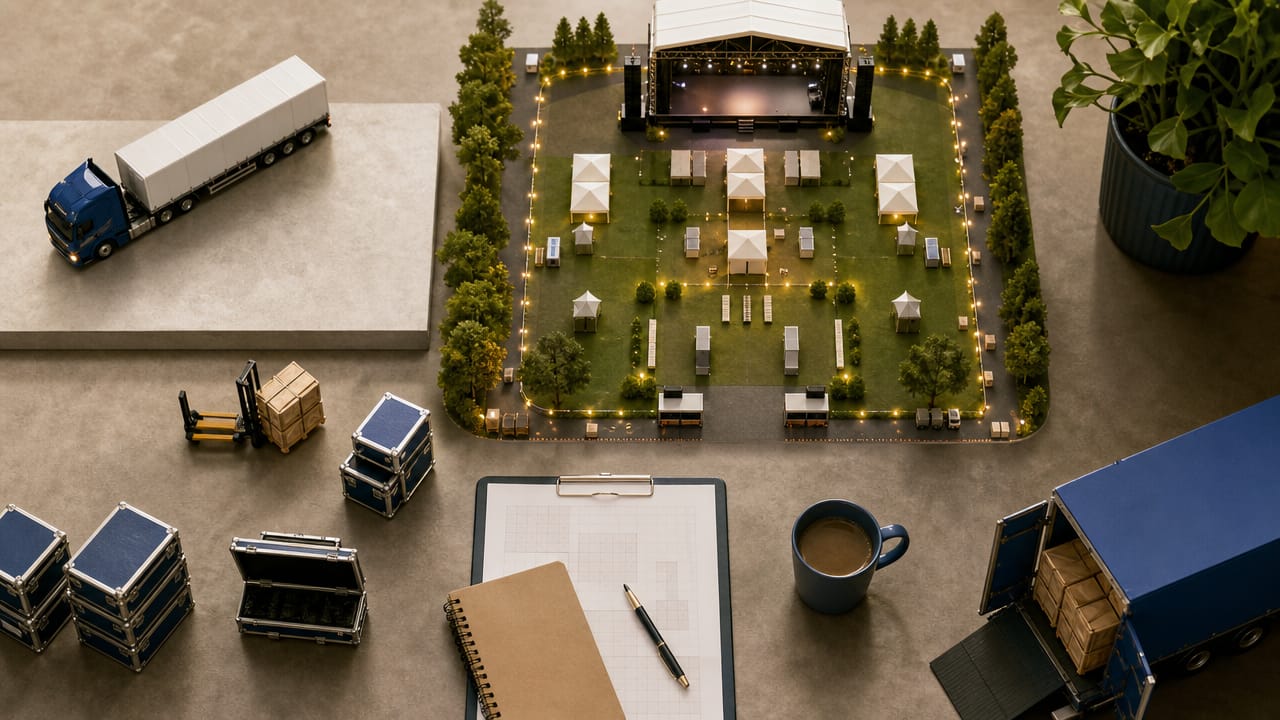
Digitally enabled organisers increasingly expect exhibitors to plug into shared tracking platforms, enabling real-time visibility across exhibition transport flows and reducing duplication of status updates. Sustainability is another decisive trend, with venues scrutinising packaging, waste, and interstate exhibition transport planning to meet ESG targets. Exhibitors who adopt consolidated shipping, reusable cases, and secure storage of display materials between shows often lower lifecycle costs while demonstrating leadership on responsible logistics.
Beyond compliance, forward-thinking brands are using event-ready trade show logistics to support campaign agility. For touring roadshows, coordinating exhibition freight deliveries across multiple cities enables consistent experiences while flexing for regional market nuances. Similarly, a clear playbook for return transport for exhibition stands and accessories protects asset value and speeds redeployment to the next opportunity.
Risk management is also evolving. Australian exhibitors are allocating contingency time and budget for weather disruptions, industrial action, or last-minute venue changes. Robust interstate exhibition transport planning, including backup carriers and diversified routes, is becoming standard for critical launches. Expert partners in Exhibition Logistics and Freight can benchmark your current approach, highlight where time or cost is leaking from your program, and help align logistics decisions with broader commercial objectives.
Ultimately, coordinating freight with event organisers is about control, not complexity. Exhibitors that treat logistics as a board-level lever, rather than an afterthought, protect ROI and create reliably polished event experiences. Review your current trade show logistics playbook, test it against upcoming shows, and engage a specialist team to stress-test assumptions, especially for time-sensitive or high-value exhibition freight.
To move from reactive firefighting to a proactive, data-led logistics model, convene a cross-functional review before your next major show. Map every step from booking to pack-down, identify decision bottlenecks, and formalise escalation paths for time-critical event freight. Then, partner with an experienced Australian logistics specialist to refine your strategy and ensure your next exhibition build feels calm, controlled, and commercially focused.
Input your search keywords and press Enter.