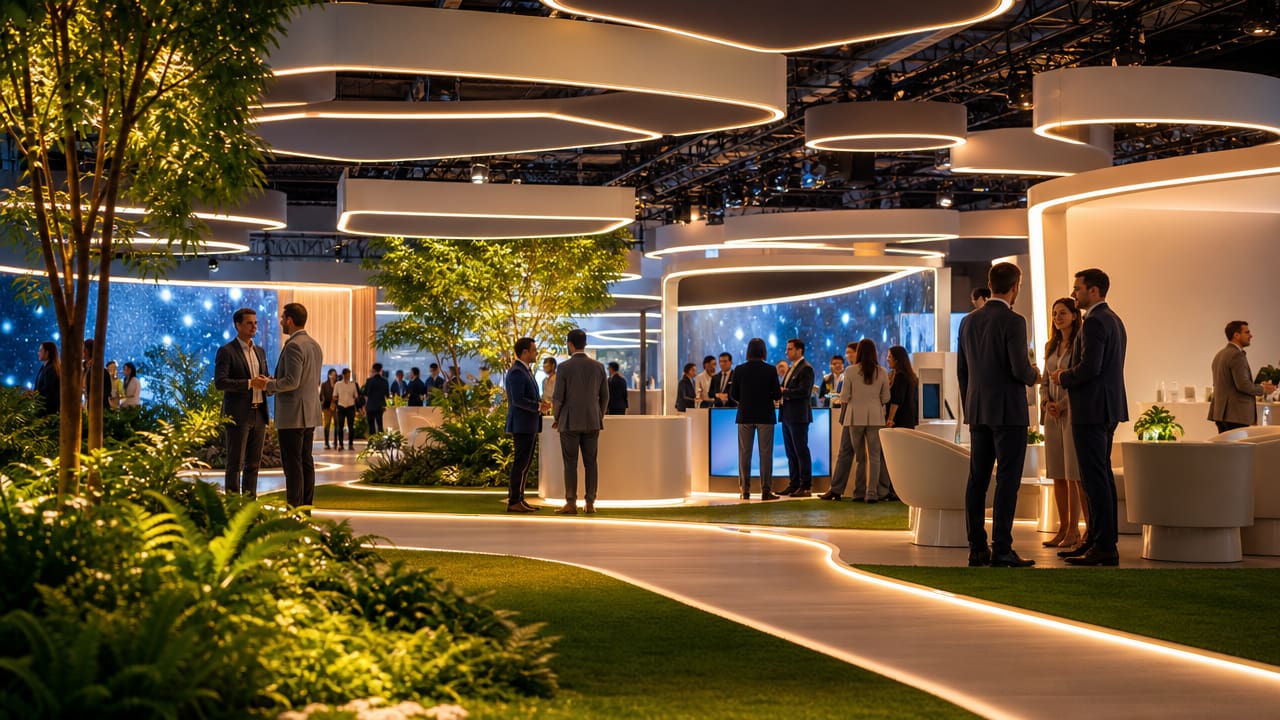



Creating effective experience zones is becoming a critical challenge for Australian exhibitors who still rely on traditional, static displays. When an Exhibition Stand Design functions like a showroom rather than a live environment, visitors quickly scan and move on. In a busy expo hall, this translates into lost dwell time, shallow conversations and a weak return on a significant event investment.
At many local trade events, exhibition booth design still centres on logos, lightboxes and product plinths, not on how people actually move, feel and decide. Today’s trade show audiences expect to touch, try and personalise their experience. When stands lack interactive exhibition stand zones or clear reasons to pause, qualified buyers are just as likely to drift to a more engaging neighbour.
The core risk is invisibility. In a hall full of competing messages, passive structures fade into the background noise. Even custom exhibition stands can underperform if they don’t guide a branded visitor journey design from entry to exit. Staff then fall back on handing out brochures, while serious buyers walk past without ever revealing their needs or timelines.
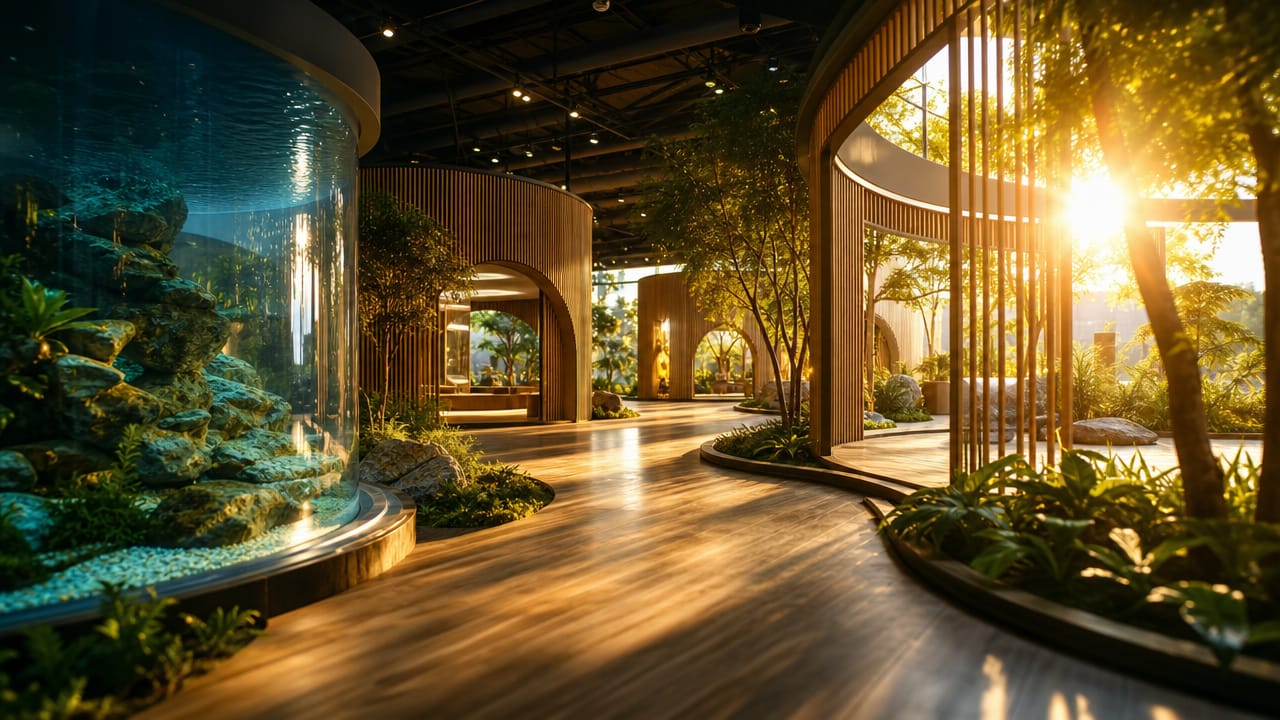
There are clear indicators that your space is not working hard enough. You may notice steady foot traffic but very few meaningful stops or product trials. Conversations stay surface-level because there are no zoned product demo areas, no mini-workshop space and no engaging display area ideas to spark questions. Staff often cluster near the aisle, unsure how to draw people deeper inside.
Behind these symptoms usually sits a planning gap. Many builds are driven by floorplan dimensions and branding assets, not experience-driven booth layouts or multi-sensory exhibition environments. Technology is also underused; screens loop generic content rather than supporting immersive custom stand design or quick digital tools that uncover a visitor’s priorities before they meet sales.
Ignoring experience design carries both commercial and reputational risks. Short visits limit your ability to qualify prospects and nurture pipeline, making exhibition budgets harder to defend. In sectors where competitors are testing fresh exhibition stand ideas and sophisticated interactive zones, a basic stand can quietly signal that your brand is lagging. To close that gap, exhibitors are increasingly rethinking how experience zones, visitor journeys and Exhibition Stand Design work together across their show calendar.
If your exhibition results are flat despite rising costs, now is the time to assess your stand through your visitors’ eyes. Map how people enter, what draws them in and where deeper conversations naturally occur, then consider speaking with an event strategist or spatial designer to stress-test your approach. A focused consultation can help you identify missed opportunities, refine your zones and ensure your next stand is a live, working asset rather than an expensive backdrop.
Input your search keywords and press Enter.