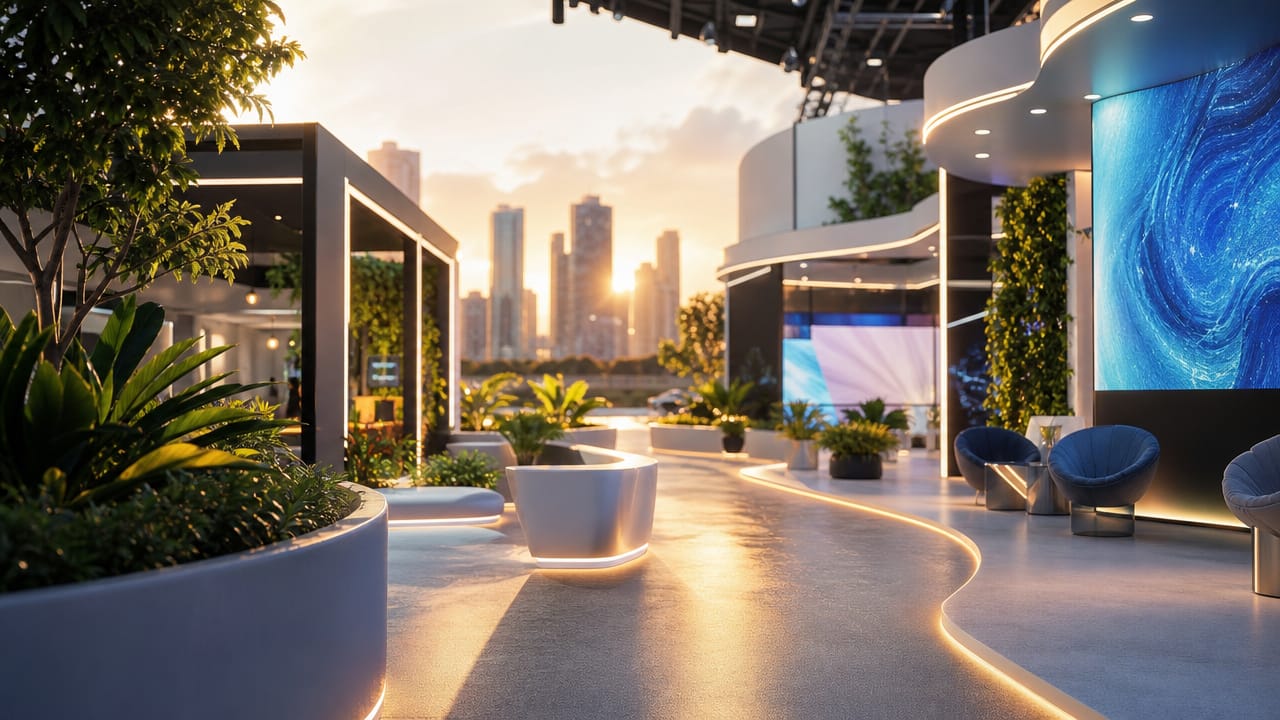



Understanding visitor flow is central to creating an effective stand layout for any trade show in Australia, where attendees expect engaging, easy-to-navigate spaces. An optimised stand reduces congestion, increases dwell time and boosts lead quality, making visitor flow stand planning a strategic priority rather than a cosmetic choice. The most effective solutions combine spatial design, technology and staff behaviour to guide people intuitively through the space while keeping key messages highly visible.
The primary task in understanding visitor flow is to map how people naturally move from entrances and high-traffic corridors into, through and out of your stand. Exhibitors can choose from several approaches, from a product-focused booth layout that funnels visitors past hero displays, to an open plan exhibition stand that removes barriers and encourages free exploration. Each approach suits different goals: lead capture, demonstrations, networking or brand storytelling. The right solution balances visibility, comfort and control, ensuring visitors never feel trapped or confused.
Linear layouts suit exhibitors who want a clear start and end point, ideal for timed demos or staged product reveals. Island layouts, common in australian exhibition stand styles, offer 360-degree access and work best for brands prioritising visibility and informal conversations. Corner or peninsula layouts can create a highly visitor-friendly booth layout by directing traffic from multiple aisles into a central engagement zone. Across all options, thoughtful trade show stand zoning—such as separating reception, demo and meeting areas—prevents bottlenecks and supports different visitor intents.
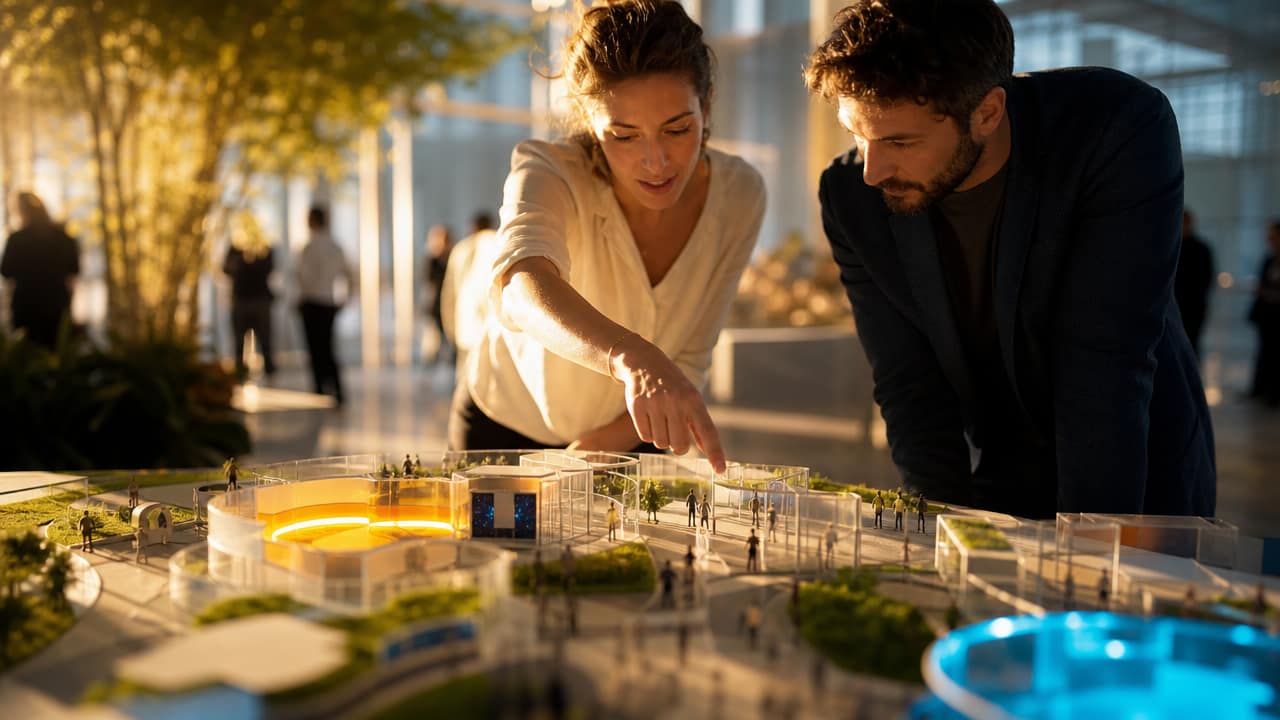
Beyond the footprint, details such as high-impact stand graphics, lighting and flooring act as visual cues that pull visitors towards priority areas. Interactive touchpoints, from simple sampling stations to immersive custom stand design using AR or VR, can anchor the flow and justify longer visits. Clear signage, readable from a distance, supports wayfinding while reinforcing key messages. Integrating technology for lead capture and feedback at natural exit points ensures data collection aligns with how visitors actually move through the stand.
For many organisations, collaborating with specialists in Exhibition Stand Design helps translate these principles into a practical, buildable concept. Experienced partners can recommend exhibition booth design options, suggest on-brand exhibition stand ideas and advise when custom exhibition stands are worth the investment versus modular solutions. They also bring insight into local regulations, sustainability expectations and visitor behaviour at Australian venues. To compare layouts, technologies and finishing options, consider booking a consultation with a stand design expert who can align creative vision with clear visitor-flow objectives before your next show.
Input your search keywords and press Enter.