



Understanding the logistics of interstate exhibition transport is fast becoming a strategic issue for Australian marketers and operations leaders. As national show circuits across Sydney, Melbourne, Brisbane, Adelaide and Perth intensify, reliable movement of stands, technology and product becomes a determining factor in event ROI. The commissioning of Sydney’s Moorebank Interstate Terminal and upgrades to ARTC corridors have lifted capacity, but congestion, fees and tighter regulations mean old playbooks for exhibition freight no longer suffice.
In the new exhibition economy, logistics is not a back-office function; it is a front-line determinant of brand impact, cost control and national reach.
Interstate exhibition transport differs sharply from general freight because assets are high-value, branded and often irreplaceable within a tour. A missed slot at bump-in can derail a launch, damage relationships and erode confidence in future campaigns. The sector is also more complex, involving trade show logistics across multiple venues, each with unique docks, union rules and access windows. As costs rise, boards are asking tougher questions about how event logistics support growth, sustainability and risk management.
Leading exhibitors are shifting from fragmented suppliers to integrated partners who manage planning, linehaul, on-site trade show unloading and return transport for exhibition displays. This model supports time-sensitive event freight by aligning routing, labour and venue schedules under one accountable umbrella. It also strengthens data collection, enabling more accurate forecasts of cube, weight and dwell times. Over time, this allows brands to rationalise kit, reduce damage rates and refine interstate exhibition freight planning for recurring show calendars.
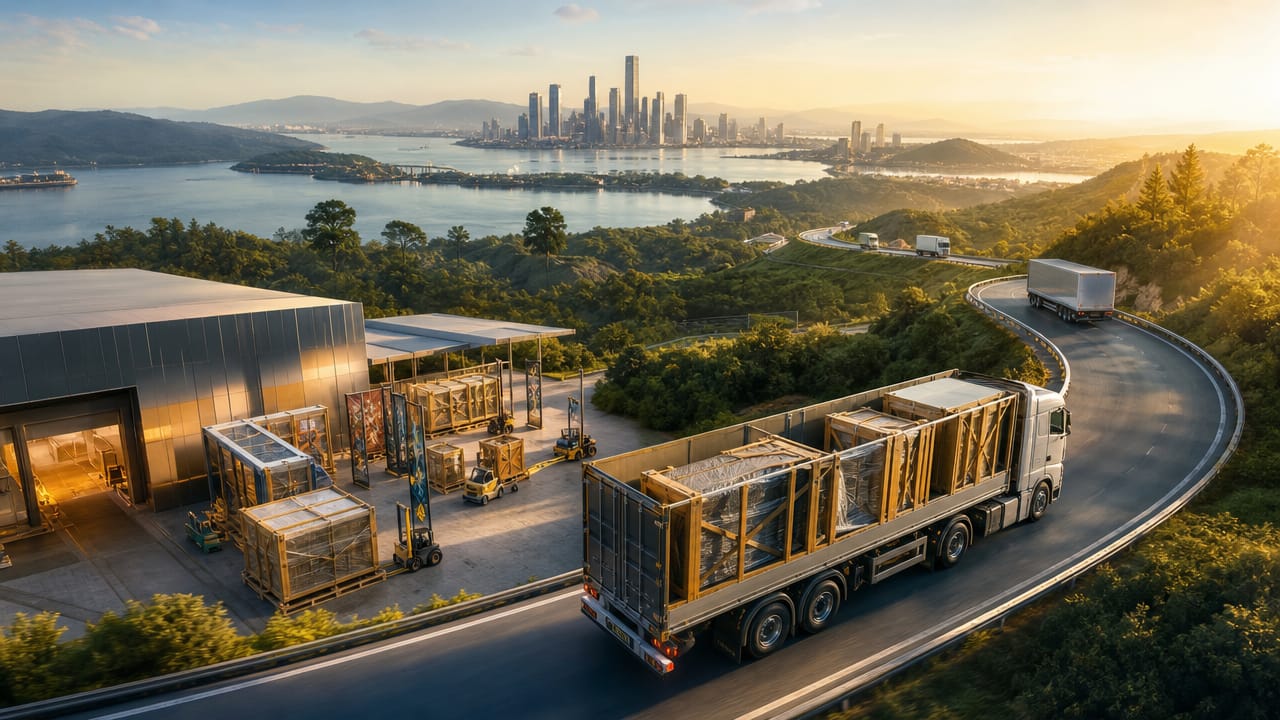
Chain-of-responsibility obligations, fatigue rules and heavy vehicle access approvals are tightening across states, raising the bar for Exhibition Logistics and Freight providers. Savvy marketers now assess partners on compliance history, digital transparency and scenario planning, not just headline rates. They look for providers who can coordinate exhibition freight suppliers, offer secure storage for exhibition crates between cities, and design efficient exhibition stand transport services that minimise double-handling. This creates a more resilient ecosystem capable of absorbing disruption without compromising brand presence.
To convert logistics from cost centre to competitive edge, organisations must embed transport thinking early in stand design and campaign planning. That means designing reusable structures that pack efficiently, supporting door-to-venue trade show delivery, and choosing mode mixes where rail supports sustainability goals. It also means re-evaluating legacy approaches to exhibition transport and asking how data, integrated services and proactive risk management can improve outcomes. Now is the right moment to review your current approach and explore expert guidance on optimising exhibition transport across Australia for your next program.
Input your search keywords and press Enter.