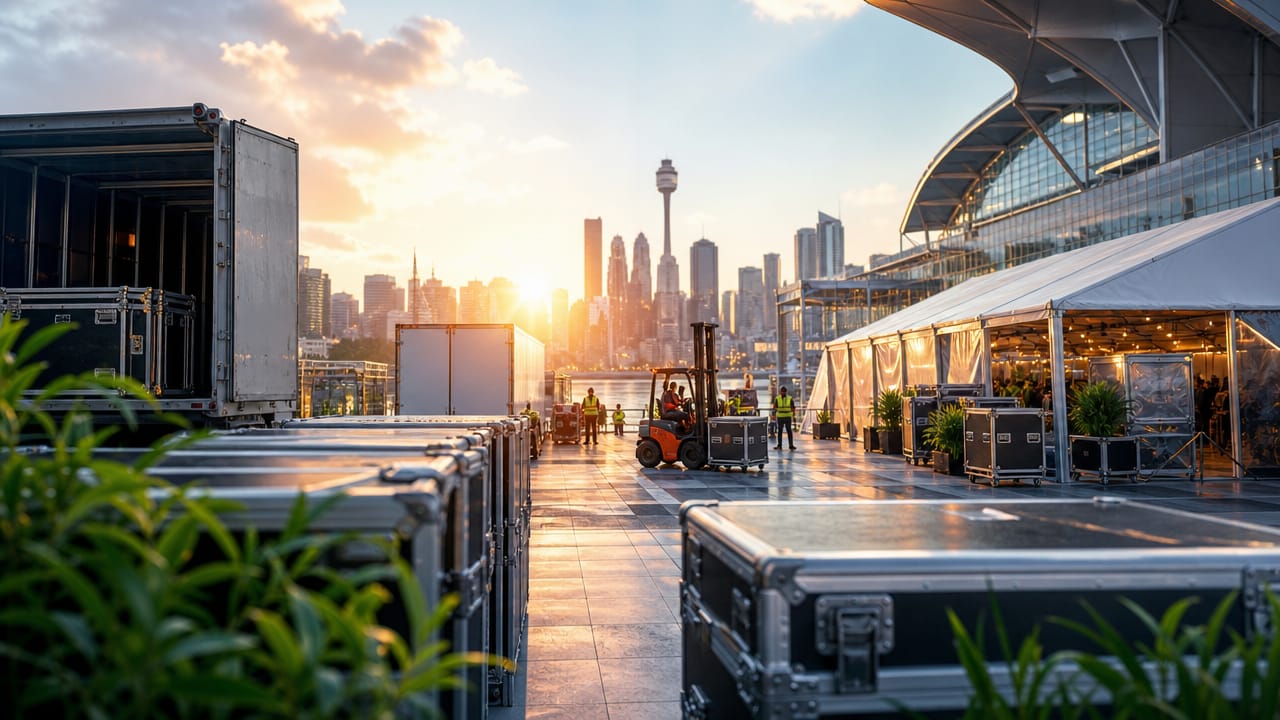



Pre-event freight planning is essential for Australian organisers who want their exhibitions, conferences, and trade shows to run smoothly and on budget. By planning freight movements well before bump-in, organisers can coordinate schedules, manage costs, and reduce last-minute stress. Early organisation is especially important when materials must travel long distances between Australian cities or regional centres. Thoughtful preparation also supports better communication between organisers, venues, and freight specialists, ensuring everyone understands responsibilities and timeframes.
Pre-event freight planning is the structured process of arranging how stands, signage, equipment, and merchandise will be transported, handled, and delivered before an event opens. It involves choosing suitable modes of exhibition transport, confirming deadlines, and clarifying venue access rules for loading docks and storage areas. For events that move between states, interstate exhibition transport planning must also consider border regulations and local traffic conditions. Effective planning gives exhibitors confidence that their materials will be ready when doors open.
Early planning helps organisers compare australian exhibition freight services, negotiate competitive rates, and consolidate loads where possible. It reduces the risk of premium charges caused by urgent bookings or late changes. Careful scheduling supports realistic trade show delivery timelines, avoiding bottlenecks at venue docks and preventing overtime labour costs. For regional or touring events, early coordination is vital to align transport legs, warehouse storage for exhibits, and venue availability across multiple locations.
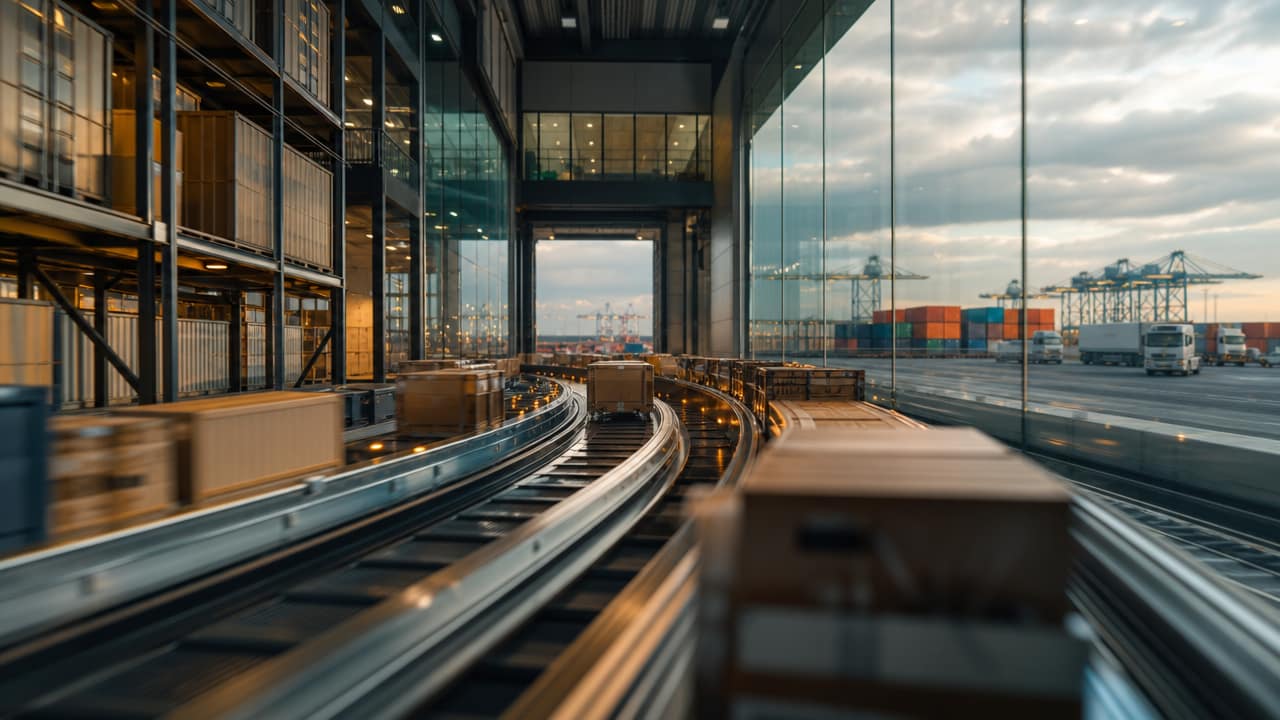
Good pre-event freight planning addresses common Australian risks such as extreme weather, road closures, and public holidays that may affect transit times. Organisers work with specialists to factor in customs processes for international exhibitors and any venue-specific safety requirements. Clear event freight scheduling tips include confirming delivery windows, access passes, and equipment like forklifts or trolleys well in advance. During bump-in and bump-out, on-site exhibition freight coordination ensures materials move safely without disrupting other contractors or attendees.
Many organisers assume standard couriers can manage complex exhibition freight, but exhibitions often require more precise timing and specialised handling. Providers experienced in Exhibition Logistics and Freight understand how to manage high-value displays, shared dock space, and strict show schedules. They can also assist with return freight from australian trade shows, ensuring items are repacked and dispatched efficiently after the event. When selecting a partner, consider their experience with similar events, insurance coverage, and ability to offer tracking and support throughout the process.
For organisers seeking clearer processes, a practical approach is to create an inventory, confirm deadlines, and map each step of pre-event freight planning from pickup to final placement on the show floor. Include contingency time for delays, and ensure exhibitors understand cut-off dates for bookings and labelling requirements. Where events tour nationally, structured trade show logistics can also cover interim storage and staggered deliveries between cities. To deepen your understanding and plan confidently, consider speaking with a logistics expert who can review your schedule and provide tailored guidance for your next event.
If you are planning an upcoming exhibition in Australia and want to minimise risk, improve timelines, and protect your budget, now is the ideal time to review your freight processes and explore professional support.
Input your search keywords and press Enter.