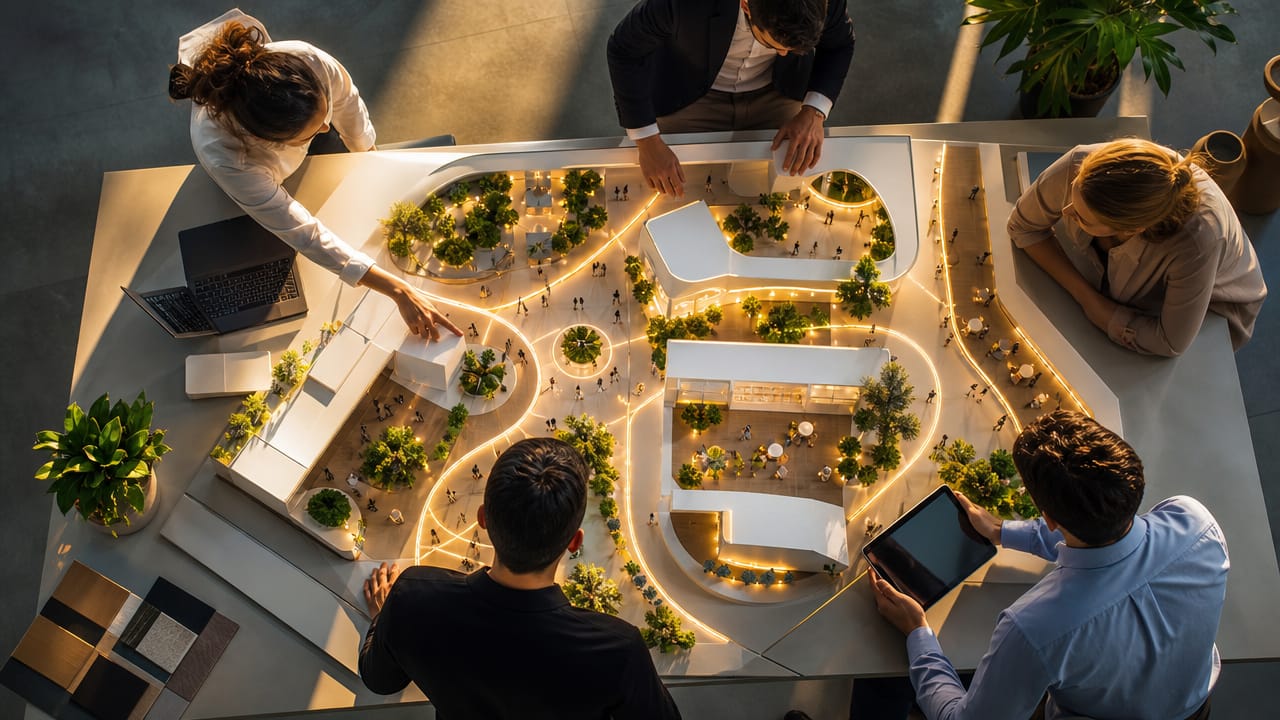



Understanding flow is the quiet superpower of successful events, particularly in the competitive Australian trade show landscape. When Exhibition Stand Design and floor planning are informed by behavioural insight, you can guide visitors intuitively rather than push them. Attendees make rapid judgements about where to stop, so the way people move, pause and engage inside and around your stand increasingly determines commercial outcomes.
Thoughtful flow is not about controlling people; it is about removing friction so the right conversations happen, faster.
Australian organisers are juggling shorter attention spans, packed agendas and mounting pressure to prove ROI. Studies show visitors decide within seconds whether to enter a stand, so weak flow quickly becomes a pipeline problem. In this environment, every square metre must do more than look impressive on a floor plan. It needs to actively support discovery, interaction and conversion, turning passive passers-by into engaged prospects.
Leading teams treat exhibition booth design as a choreography challenge rather than a furniture puzzle. Open corners, low sightlines and clear entry points make crossing the threshold feel effortless. Inside the stand, zoning from attract to engage to convert can be reinforced with subtle cues such as flooring changes, lighting shifts and product density. This approach makes trade show stand layout a strategic asset, not a last-minute aesthetic decision.
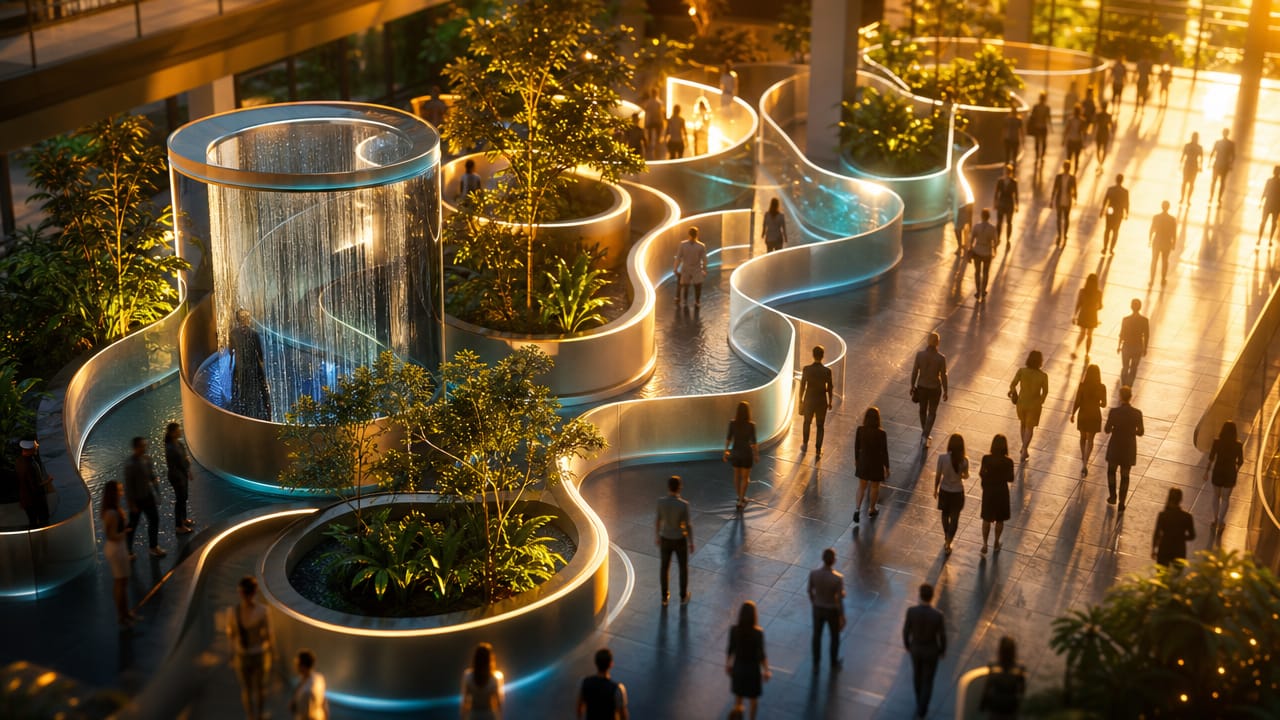
Australian visitors typically walk main aisles first, scanning for relevance before committing time, so strong beacons matter. Motion-led elements, from interactive demo booth layouts to dynamic content, can gently draw people off the thoroughfare. Over time, heat maps, dwell tracking and badge scans reveal which exhibition stand ideas genuinely change behaviour. Teams that iterate between shows refine not only visitor flow exhibition stands but also how custom exhibition stands contribute to overall event performance.
Strategically, brands that embrace flow-focused thinking gain sharper alignment between design decisions and commercial outcomes. That might mean reworking open plan booth concepts to prioritise clear journey lines, or using branded exhibition stand graphics to signal value propositions instantly. It can also involve balancing product display stand design with quiet meeting space booth ideas so high-intent conversations are protected from aisle noise. Even subtle exhibition lighting design tips can influence where people feel comfortable lingering.
The implication for organisers and exhibitors is clear: flow is now a core capability, not a cosmetic extra. Treat your next stand as a live experiment, using each event to test hypotheses about messaging, pathways and staffing patterns. To accelerate the learning curve, partner with specialists who unite behavioural insight and design craft in Exhibition Stand Design. Then, commit to reviewing every show’s data and feedback so your approach compounds in effectiveness over time.
To explore how a flow-first strategy could reshape your next Australian event, start by mapping the ideal visitor journey from aisle glance to post-show follow-up. Share that map with your design and sales teams, challenge assumptions together, and identify one bold change you will test at your next show.
Input your search keywords and press Enter.