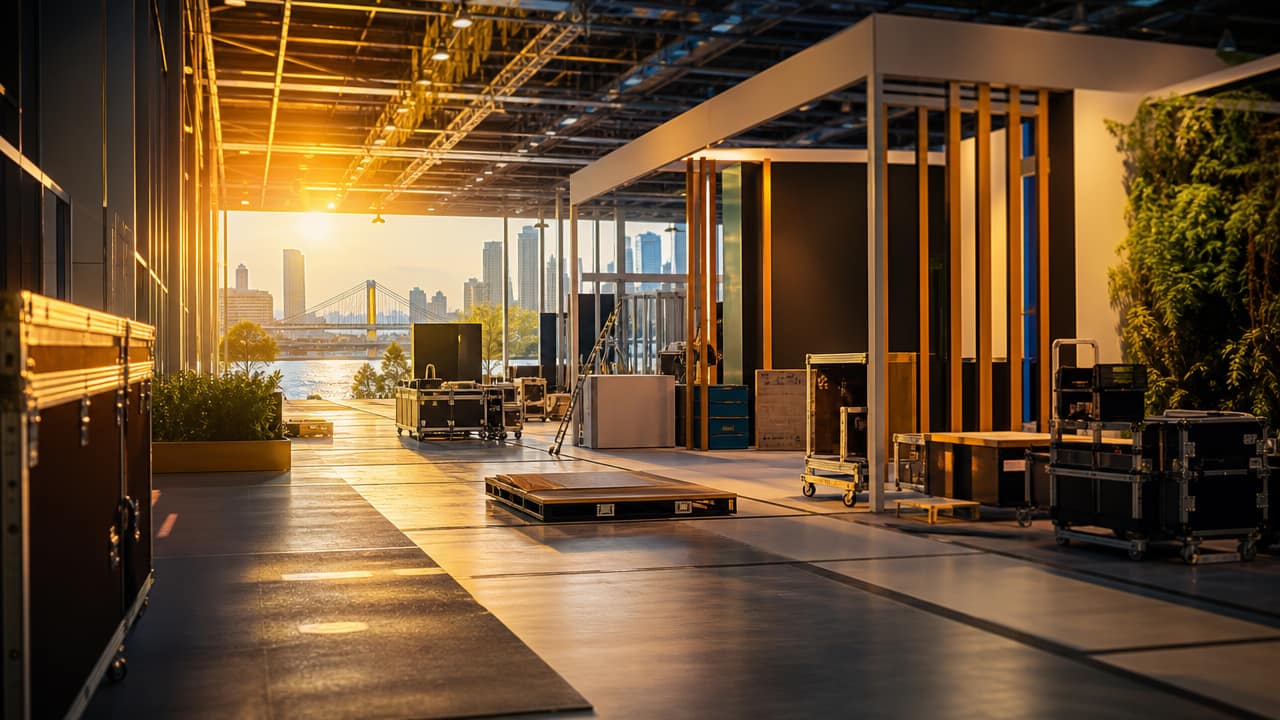



Trade Show Preparation: Essential Steps for Australian Exhibitors is no longer a nice-to-have; for many brands it determines whether a major event delivers real leads or drains the marketing budget. Across Australia, trade show preparation is routinely compressed into a few frantic weeks, with teams discovering missing collateral, unclear messaging and freight issues only once they reach the venue.
The most common risk is assuming that enthusiasm will compensate for a thin plan. Without a structured exhibition planning checklist, important details such as power, rigging approvals or accessibility can fall through the cracks. Australian exhibitors also underestimate local regulations and union requirements, which can delay stand build and force costly on-site changes. These issues rarely appear in glossy post-event photos, but they quietly erode return on investment.
On the show floor, weak Exhibition Stand Planning shows up as cluttered layouts, confused staff and displays that fail to signpost a clear value proposition. Teams who focus only on graphics often forget traffic flow, meeting spaces and product demonstration zones. When messaging is vague, staff fall back on generic pitches and casual chats, rather than guided conversations shaped by a pre-event stand brief. The result is busy stands that generate few qualified leads.
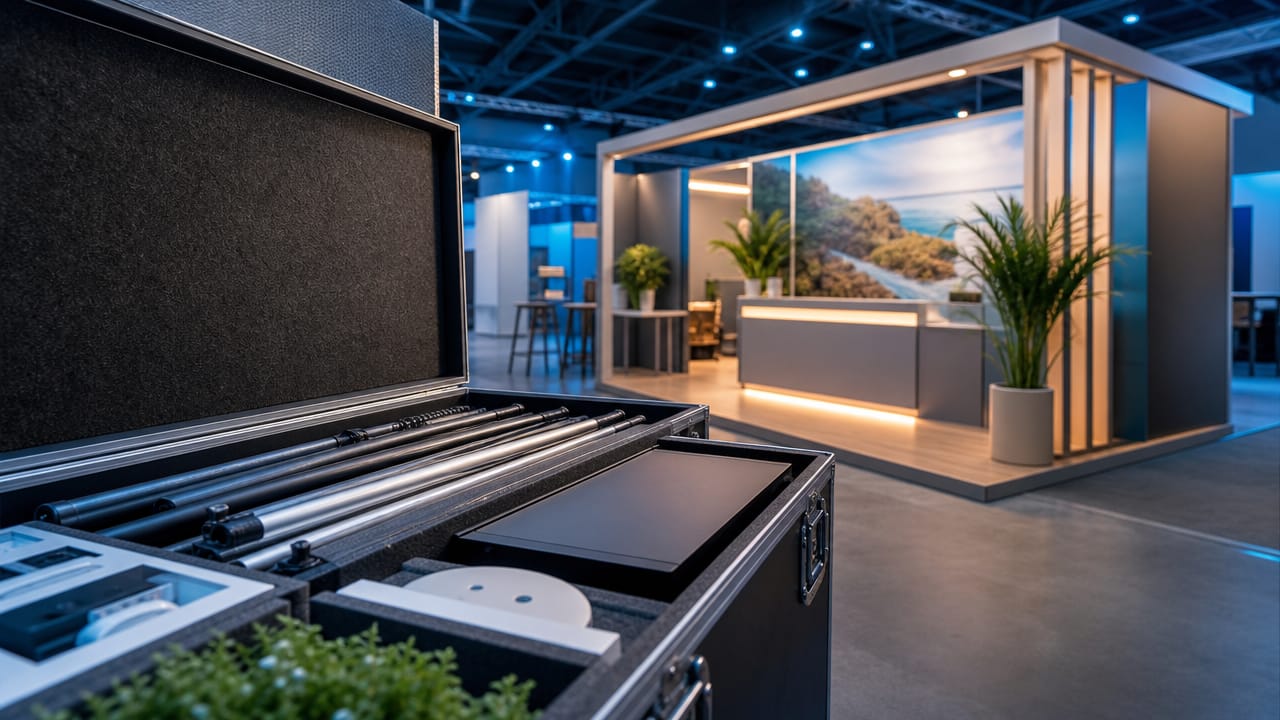
Early indicators of trouble often appear months before doors open. A vague exhibition planning timeline, unclear trade show booking deadlines and last-minute design briefs suggest that logistics will be squeezed. In the final fortnight, missing freight documentation, rushed printing and an incomplete event-day staffing plan typically follow. On site, relying on business cards instead of digital capture and running out of collateral by day two are further signs that pre-show exhibition planning was not robust.
When these patterns repeat across events, the commercial impact can be significant. Missed meetings with decision-makers delay sales cycles, while muddled data makes it harder to track opportunities generated by each show. Over time, leadership may question the value of exhibitions altogether. Reviewing your recent events against a structured exhibition planning checklist and realistic exhibition planning timeline can highlight where systems need tightening. For many Australian exhibitors, speaking with an independent specialist to stress-test upcoming trade show preparation is a practical next step before committing budget. Now is the moment to assess your own process and seek expert guidance so that your next show is a measured investment, not an avoidable risk.
Input your search keywords and press Enter.