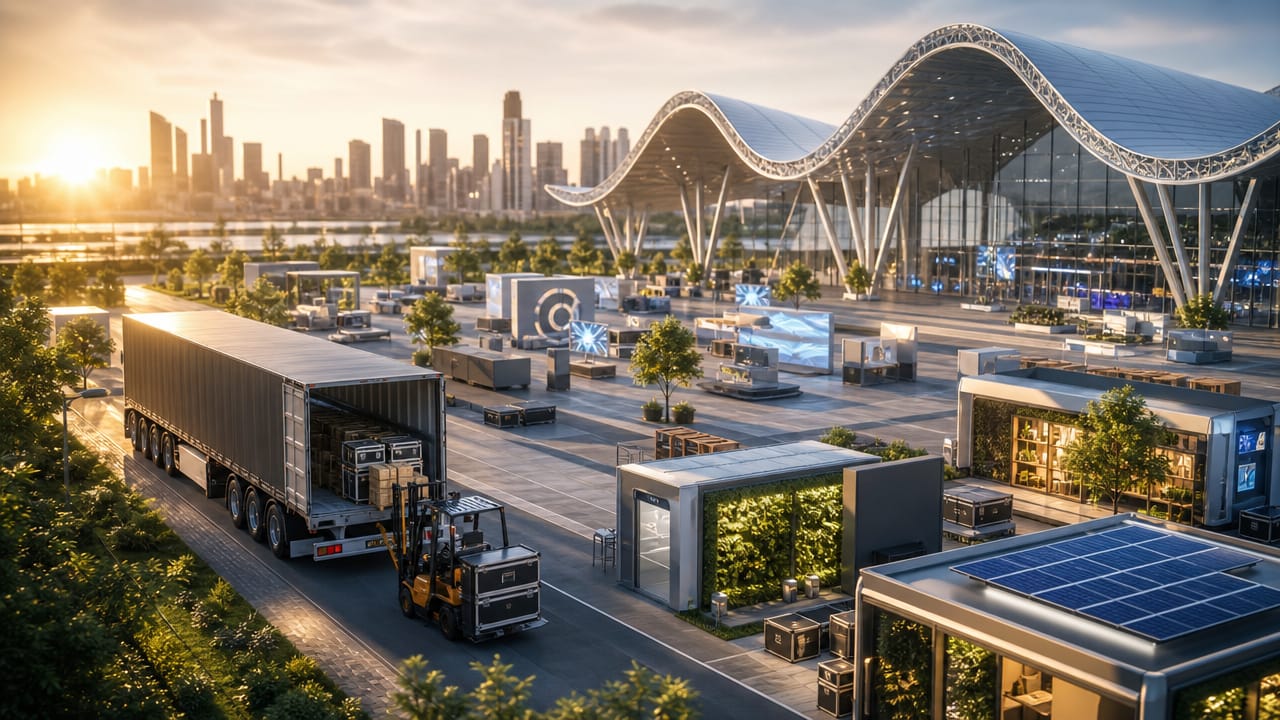



In 2026, exhibition logistics and freight will sit at the centre of every serious marketing plan, as Australian exhibitors confront rising transport costs, tight build‑up windows, and stricter sustainability rules. Brands moving stands, AV, and samples across states or offshore now need a more strategic approach to exhibition freight, built on better data, clearer responsibilities, and stronger partners. This article outlines the key solution pathways available, from specialist freight forwarders to digital visibility tools, and explains how to evaluate them. The goal is to help exhibitors cut risk, protect budgets, and keep shows on schedule, even as global supply chains remain unpredictable.
For most marketing teams, 4. Exhibition Logistics and Freight decisions start with choosing between general carriers, event specialists, or a hybrid model. General freight providers can be cost‑effective for simple domestic moves, but may lack familiarity with venue loading dock logistics and strict access slots. Specialist exhibition transport partners, by contrast, bundle customs, on‑site coordination, and time-critical exhibition deliveries into one managed service. A hybrid approach suits experienced exhibitors who want to retain control of packing and warehousing while outsourcing complex or international legs. The right fit depends on shipment value, route complexity, and your internal resourcing.
Robust exhibition freight planning now revolves around early timelines, scenario modelling, and clear contingencies. Australian exhibitors are increasingly using cloud-based tools to map trade show logistics across multiple cities, track milestones, and manage documentation. Real-time tracking and digital proofs of delivery provide visibility for on-site teams, while digital twins of the supply chain help test different routing or consolidation strategies. For complex shows, some providers offer trade show freight checklist services, covering permits, insurance, and on-site exhibition freight handling to reduce last-minute surprises. When comparing solutions, assess how each provider manages delays, damages, and return freight from exhibitions.
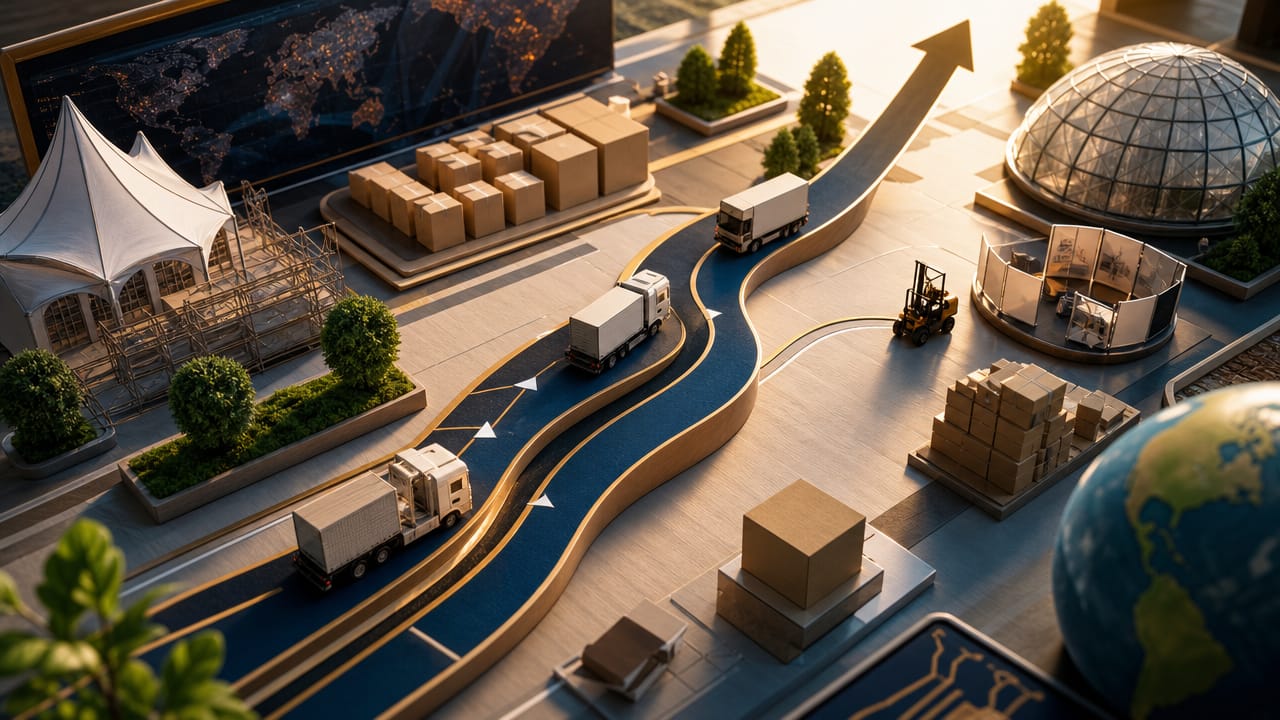
Sustainability pressures are reshaping how exhibitors design stands and choose carriers, with lighter modular builds reducing both emissions and handling costs. Many Australian firms now seek interstate exhibition transport solutions that combine road, rail, and coastal shipping to balance speed with carbon impact. Temporary storage for trade show displays between events can also cut rebuild costs and minimise waste, particularly for multi‑show campaigns. When comparing providers, weigh total landed cost rather than headline rates, including surcharges, waiting time, and any venue material handling fees. Ask each partner how they handle exhibition transport during peak periods and what backup capacity they can guarantee.
As exhibition calendars fill, the most resilient programs are those that treat logistics as a strategic capability, not a last-minute cost centre. Reviewing recent events for delays, damaged freight, or blown budgets will highlight where new solutions or partners are needed. Whether you are refining domestic exhibition freight planning or preparing an international launch, speaking with an independent logistics specialist can help you compare service models and negotiate the right mix of speed, reliability, and sustainability. Now is the time to request expert advice, pressure-test your current plan, and lock in partners before capacity tightens again.
Input your search keywords and press Enter.