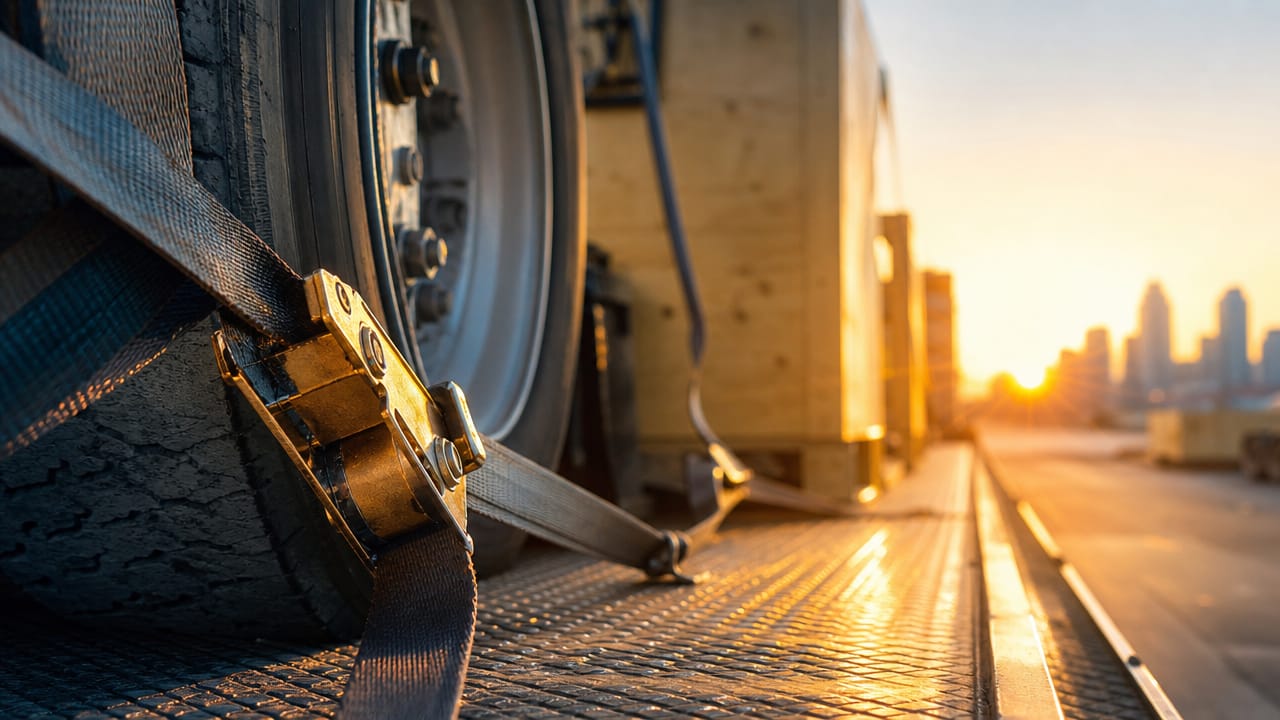



Australian exhibitors face tight bump-in windows, fragile products and unforgiving deadlines, so getting exhibition freight wrong can be costly. These five event freight planning tips will help you cut risk, protect your stand investment and keep freight moving on schedule. By treating Exhibition Logistics and Freight as a strategic function rather than a last-minute chore, marketing and operations teams can reduce stress and avoid expensive failures on the show floor.
Start with the doors-open time and plan every milestone in reverse, including production, collection, transit, customs and venue loading dock access. Allow buffers for weekends, public holidays, weather and potential industrial action. Ask your freight partner to provide a written schedule with cut-off dates for labels, documentation and pick-up. This approach gives you clear accountability and makes it easier to justify earlier sign-off to internal stakeholders.
General carriers rarely understand the complexity of exhibition freight and timed delivery to exhibition halls. Look for providers with proven experience at major venues such as ICC Sydney and MCEC, plus knowledge of local contractor rules. Ask for references, 24/7 contact details and photos of previous builds to confirm capability. A specialist can also coordinate interstate exhibition transport services when you are running multi-city roadshows.
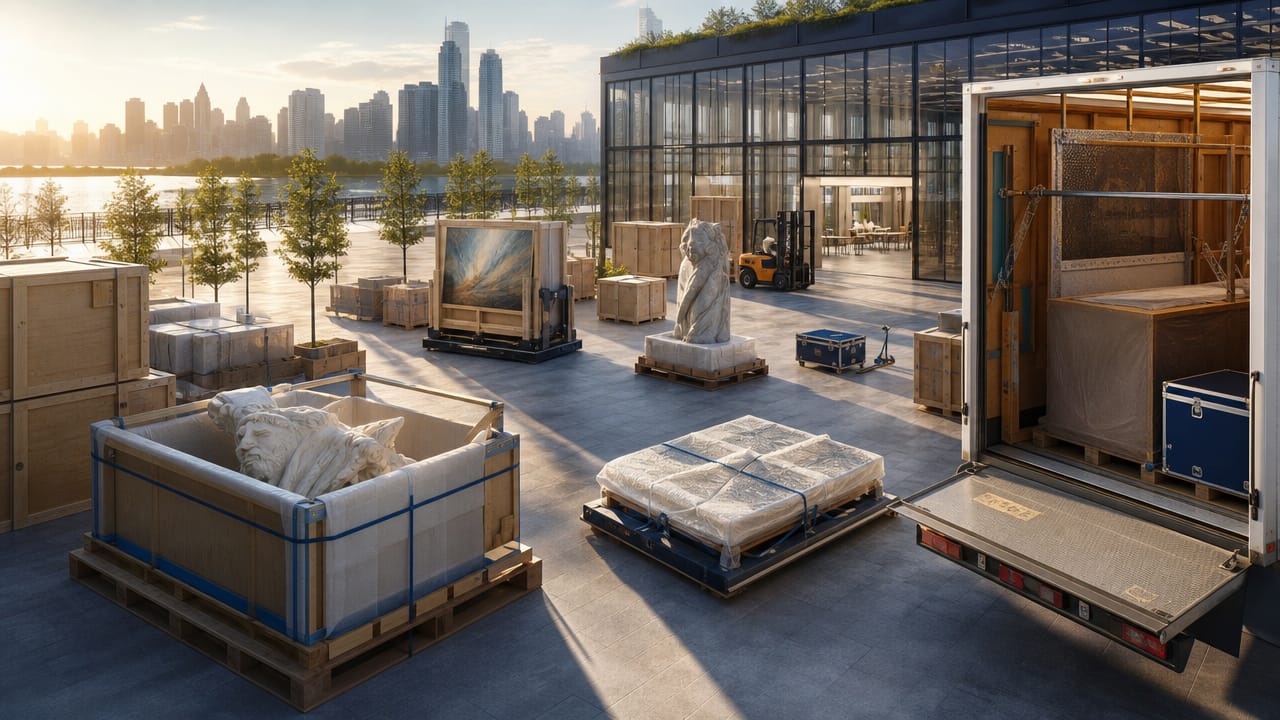
Insurers routinely highlight poor packaging as a major cause of claims, making secure packing for displays non-negotiable. Use custom crates, foam inserts and corner protection for high-value AV and bespoke builds. Label every case with stand number, company name, mobile contact and return instructions to simplify return freight after events. A master packing list, shared with your freight partner, reduces the risk of items being misplaced during busy move-out periods.
Incorrect paperwork can derail the best exhibition transport plan, especially for international shows. Ensure invoices, packing lists and any temporary import documents align perfectly, and confirm that your policy covers full replacement value plus urgent reprints. Ask your provider about short-term exhibition storage options if you have back-to-back events or a gap between shows. This can be cheaper and safer than repeated shipping to and from your warehouse.
Real-time tracking and clear escalation paths are now core expectations in trade show logistics. Nominate one internal contact to monitor freight movements and liaise with your provider during bump-in and bump-out. When coordinating exhibition freight suppliers across multiple cities or pavilions, standardise checklists and naming conventions. Keep backup digital content, spare fittings and a plan for urgent exhibition freight by air if something critical is delayed.
If you are planning a new stand, multi-city roadshow or international pavilion, consider partnering with an experienced Australian exhibition freight specialist. A short planning call can uncover risks, refine your timelines and give you clear costings before you commit. Enquire today to request a tailored freight plan and quote for your next event.
Input your search keywords and press Enter.