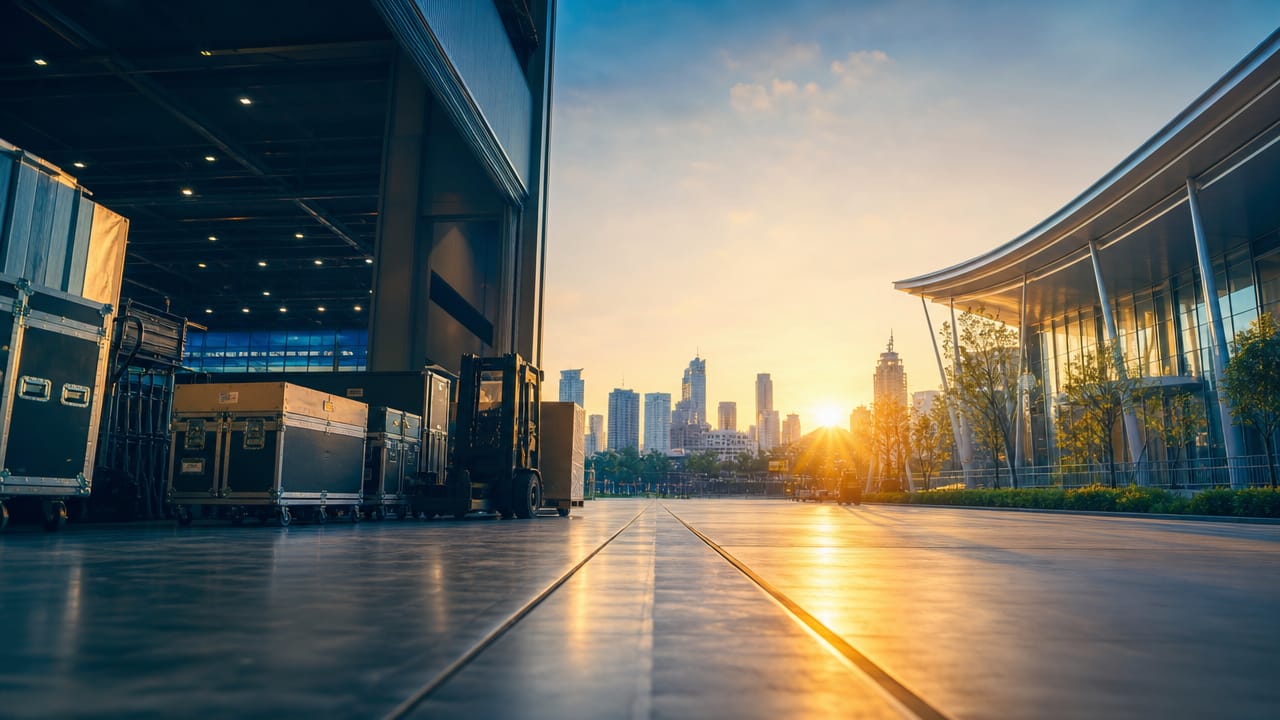



Venue access is one of the least glamorous but most dangerous blind spots in Australian exhibition planning. When organisers focus on floor plans and sponsorship but overlook the realities of Exhibition Logistics and Freight, hidden bottlenecks at the venue can derail even the most polished show schedule.
In practice, venue access covers far more than a single roller door. It includes truck routes, height limits, ramps, internal corridors, lift capacities and loading dock time slots that dictate when freight can actually move. At major city venues, competing events and shared facilities can turn a simple delivery into a complex puzzle, putting pressure on everyone involved in exhibition freight and stand build.
Organisers often discover venue access problems only on bump-in day, when it is too late to adjust timelines or budgets. Red flags include docks shared with retail or sports tenants, strict curfews for heavy vehicles, low basement ceilings, and no secure on-site storage for cases or packing materials. In regional centres, narrow streets, one-way systems and bridge weight limits can turn routine exhibition transport into a risky exercise.
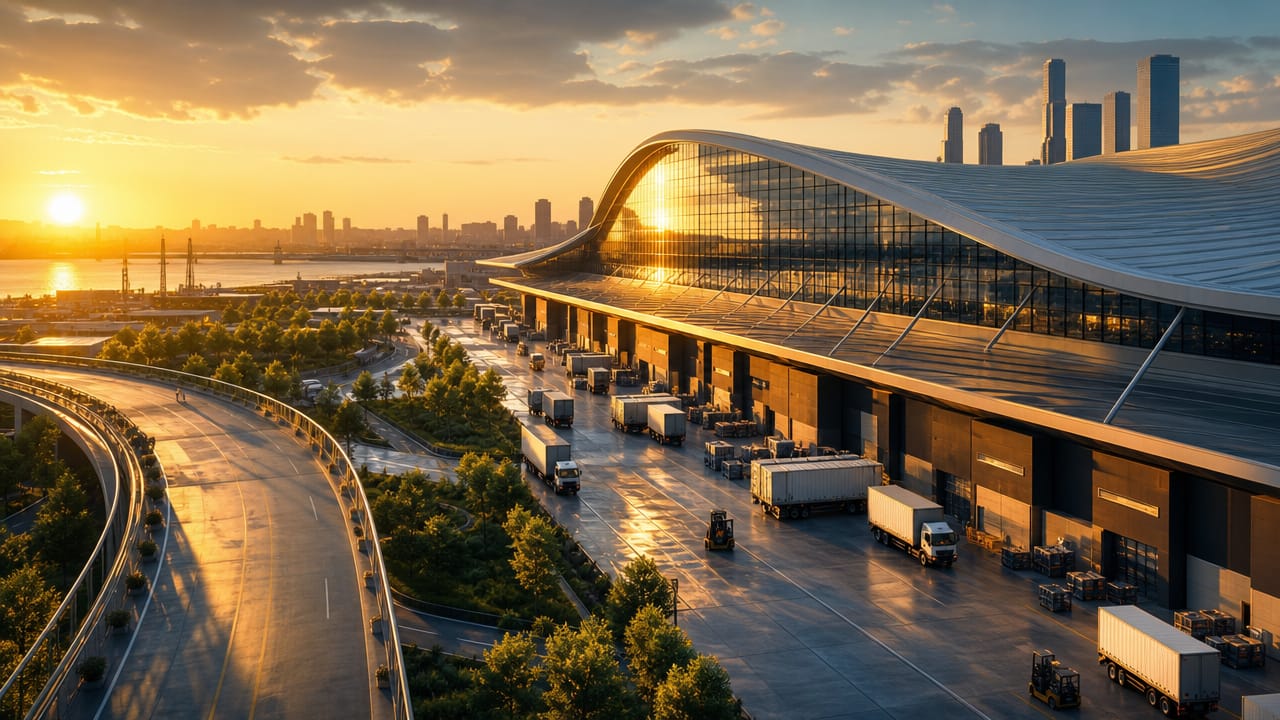
When venue access restrictions squeeze delivery windows, crews are forced into compressed, high-pressure shifts. That accelerates manual handling risks, equipment damage and incomplete stands when doors open. Misaligned trade show logistics can also trigger cascading overtime, extra forklifts, after-hours exhibition delivery fees and costly re-deliveries. A simple oversight, such as underestimating lift capacity, can leave heavy displays stranded at ground level while build deadlines loom.
For organisers managing complex builds or Sydney to Melbourne expo freight runs, venue selection and scheduling should be tested against real freight scenarios, not just paper diagrams. Early conversations with providers experienced in on-site freight coordination can expose hidden friction points before contracts are signed.
Ignoring the logistics realities of a site can turn a promising show into an exhausting firefight. To reduce risk, factor in access during venue shortlisting, ask probing questions about marshaling, and pressure-test timelines with your logistics partners. If you suspect your next event may be vulnerable to access issues, now is the time to review your plans with an expert and ensure your Exhibition Logistics and Freight strategy is robust before the first truck hits the dock.
Input your search keywords and press Enter.