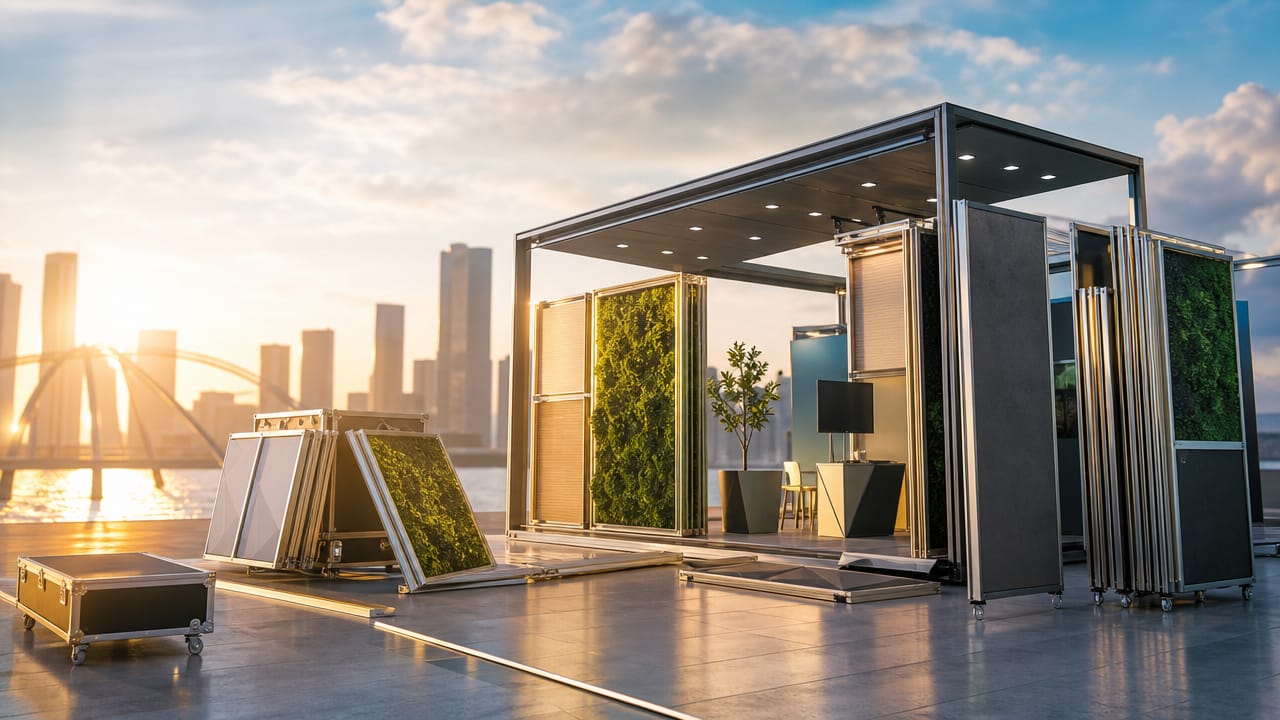



In Australia’s fast-moving trade show scene, flexibility has become a defining feature of effective Exhibition Stand Design. Exhibitors are expected to adapt to changing venues, audience types and campaign goals while maintaining a consistent, professional presence. A flexible approach helps marketing teams respond quickly to new opportunities, without committing to a completely new build for every event.
Flexible stands are particularly valuable when you exhibit across different cities, venues and floorplans. A design that works in a 3×3 shell scheme at a regional event may need to expand into a more ambitious exhibition booth design at a major capital-city expo. By planning for reconfiguration from the outset, you reduce risk, improve cost control and keep your brand presentation cohesive.
Modular systems allow you to assemble and rearrange components such as walls, counters and lightboxes into multiple formats. These modular custom stands can grow into larger footprints for flagship shows, or contract into leaner configurations when budgets or spaces are tighter. Reusable frameworks and graphics also reduce waste and long-term build costs, particularly when combined with durable finishes and timeless visual branding.
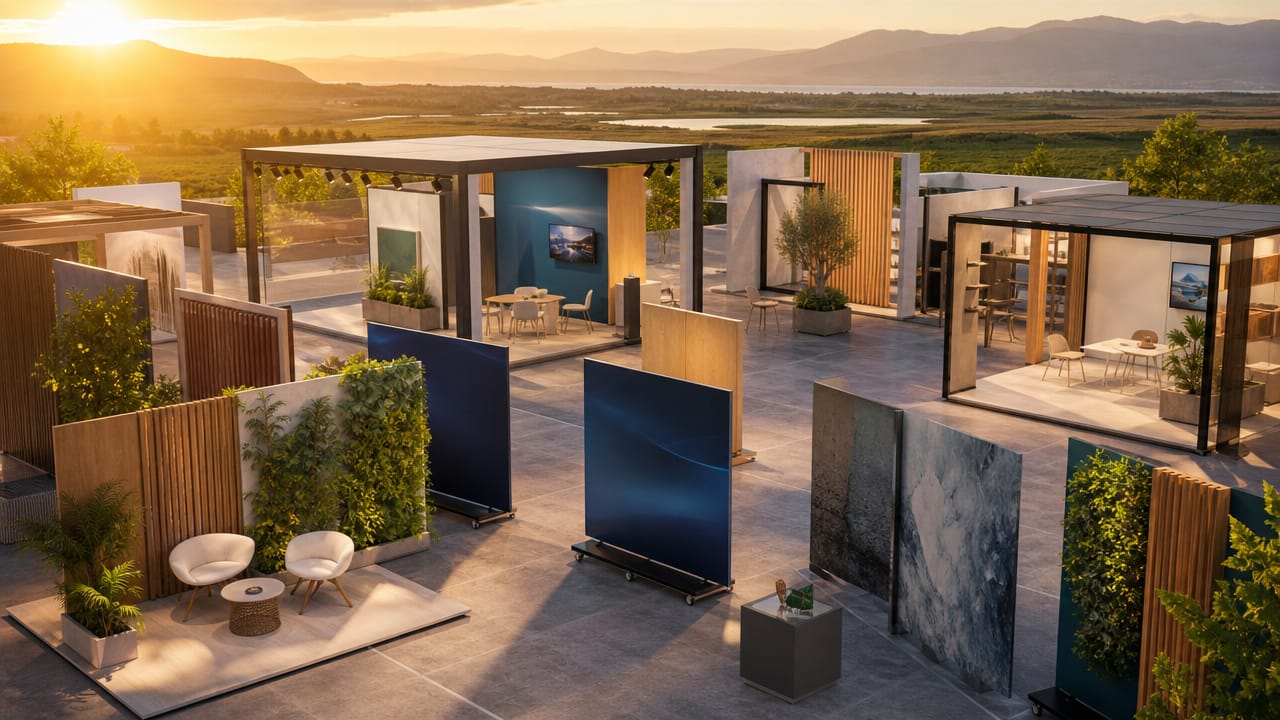
Thoughtful flexibility can significantly improve visitor engagement. Exhibitors can trial adaptable stand layouts, such as open corners that invite traffic from multiple aisles or theatre-style seating for scheduled talks. Simple changes in orientation, entry points and demo placement can support visitor-friendly stand flow and highlight key products or services more effectively.
Flexible Australian stands often combine lightweight aluminium frames, fabric graphics and multi-purpose counters that double as storage and demonstration points. These elements lend themselves to open plan trade stands, as well as more enclosed setups where private discussions are required. Reusable exhibition stand concepts may also include standardised technology mounts, adjustable lighting and surfaces suited to a range of industry-specific stand design requirements.
Before investing, clarify which venues you plan to attend, how often you will exhibit and what types of activities you will host on your stand. Teams should explore Exhibition Stand Design options that support both flexible exhibition booths and more formal environments for meetings. Consider how future campaigns, new products and evolving interactive booth design tips could be incorporated without major structural changes.
It is also worth discussing how your stand can support custom exhibition stands for key flagship events, while still reconfiguring for smaller shows. Many Australian exhibitors gather exhibition stand ideas by reviewing previous layouts, speaking with experienced builders and observing how competitors manage flow, branding and product displays. Flexible solutions allow you to test, learn and refine across multiple events.
By prioritising adaptable structures and clear goals, you can make confident, informed decisions about your next exhibition investment. If you are planning an upcoming program and want clearer guidance on layouts, materials and reusable components, speak with an exhibition specialist who can walk you through practical options and help you develop a strategy that supports long-term, flexible exhibiting success.
Input your search keywords and press Enter.