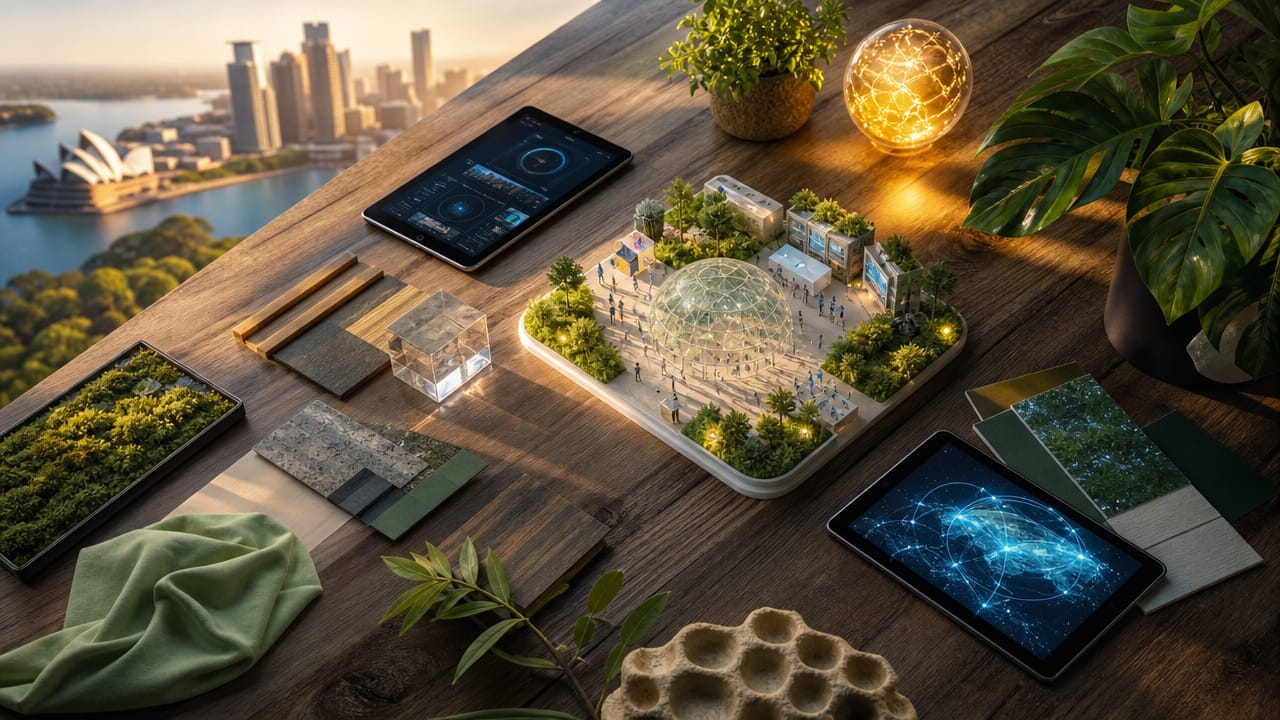



The Future of Trade Show Marketing: Trends to Watch in 2026
In 2026, trade shows in Australia will reward brands that treat every event as a data-rich, year-long growth program rather than a three-day branding exercise.
Business events remain a powerhouse in Australia, and the future of Trade Show Marketing will determine which brands translate that demand into measurable growth. As budgets become more accountable, exhibitions are shifting from “nice-to-have” awareness plays to performance channels expected to deliver qualified pipeline, account expansion and strategic partnerships. This requires tighter integration between exhibition marketing, sales enablement and digital channels, along with executive-ready reporting that proves influence on revenue, not just foot traffic.
By 2026, Australian organisers and exhibitors will lean heavily into AI, automation and richer data capture. Expect smarter logistics, audience insights and content planning, where pre-show trade fair promotion is driven by predictive modelling, not guesswork. Onsite, badge scans will give way to behavioural signals, content engagement and meeting quality metrics. The biggest winners will design trade show social media campaigns, content hubs and always-on nurture streams that extend event value for months.
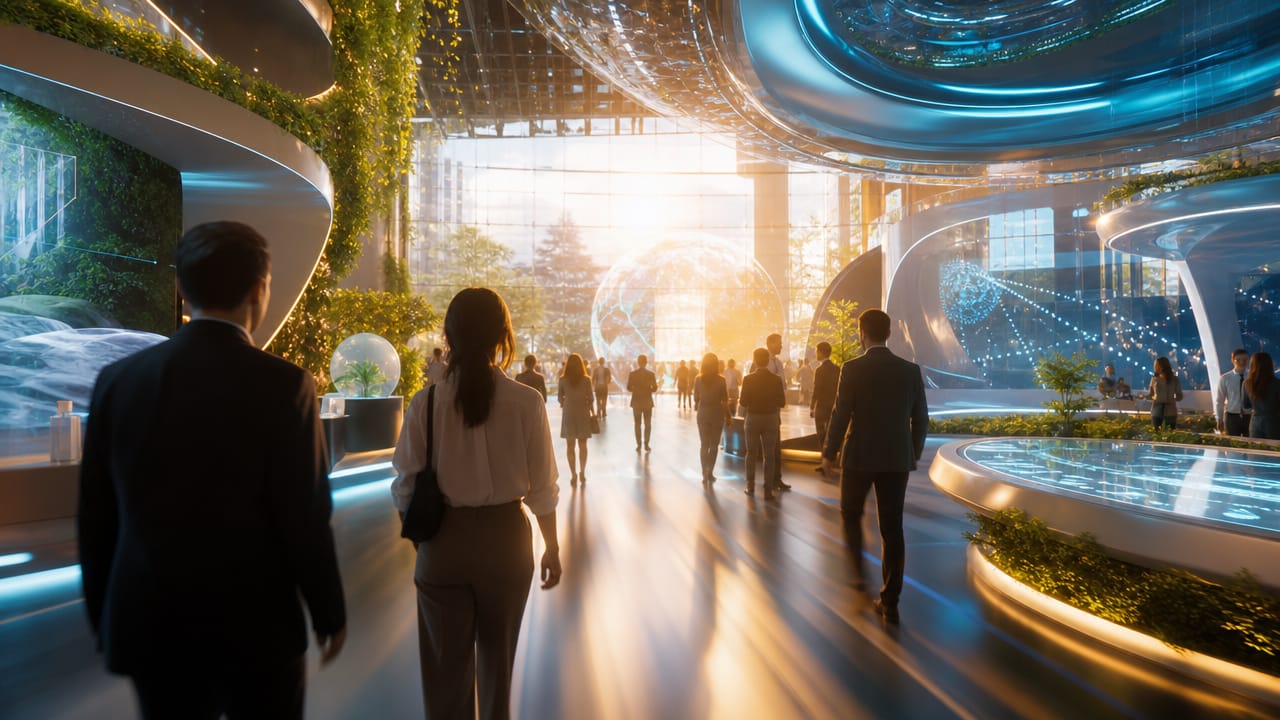
Australian exhibitors are rapidly moving from static stands to curated, festival-like environments that prioritise exhibition visitor engagement tactics. Multi-zone spaces, live demos, labs and hospitality areas give teams room to host tiered conversations with prospects, customers and partners. Experiential elements such as AR product walk-throughs, tactile prototyping and co-creation workshops enable deeper discovery than traditional brochures, while structured formats and high-converting exhibition calls-to-action ensure serious buyers are identified and progressed efficiently.
Sustainability, accessibility and hybrid participation are becoming competitive differentiators rather than compliance checkboxes. Procurement teams increasingly ask how exhibition marketing for Australian SMEs addresses carbon, circularity and inclusive design. At the same time, hybrid strategies are maturing: instead of streaming everything, exhibitors create defined digital pathways, including on-demand demos, targeted digital exhibition lead generation programs and post-event exhibition lead nurturing sequences aligned to account-based priorities.
For marketers, the imperative is to reposition exhibitions as part of a connected growth system. That means aligning trade show promotion with content calendars, sales plays and customer marketing to build consistent narratives across channels. Teams should test trade show promotion ideas 2026 that blend personalised outreach, micro-events and thought leadership, supported by exhibition lead generation goals and clear attribution models. Now is the moment to audit your event portfolio, refresh your measurement framework and decide where Trade Show Marketing can genuinely differentiate your brand in a crowded, data-driven market.
To stay ahead, review your current event program, clarify what success looks like beyond leads, and involve sales, product and customer teams in redesigning your 2026 strategy.
Input your search keywords and press Enter.