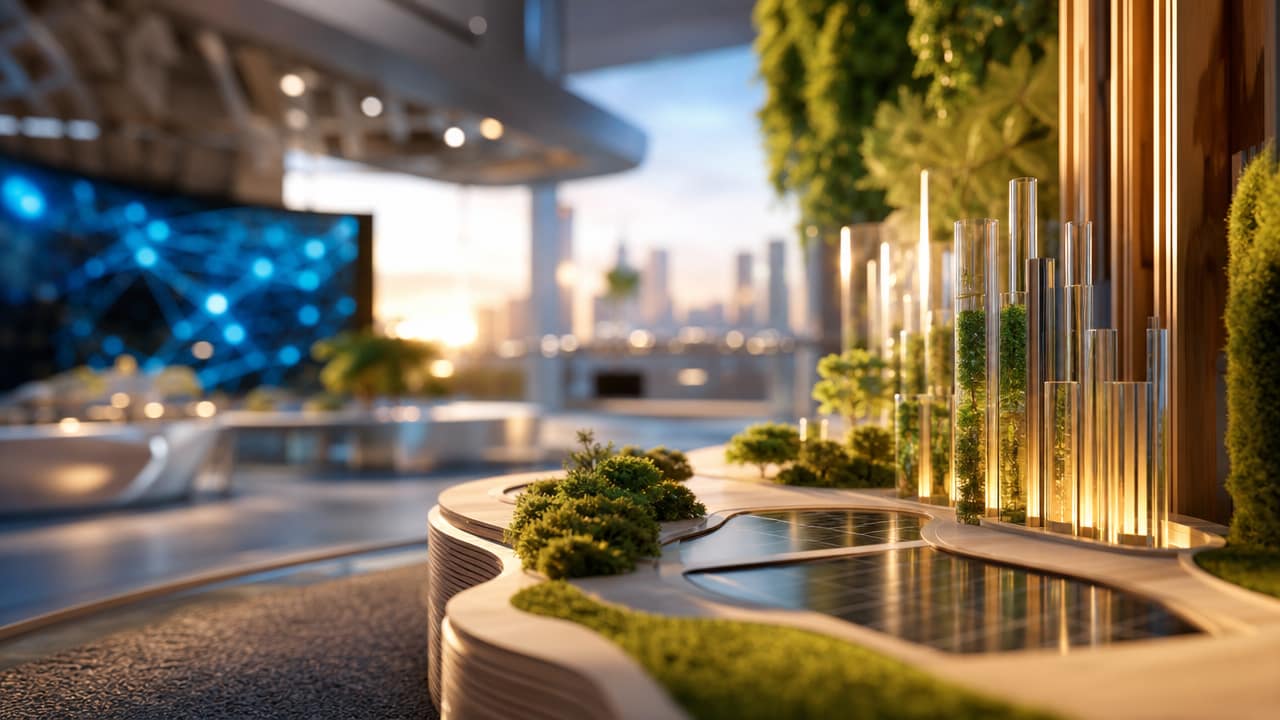



The future of exhibition design is arriving faster than many Australian marketers anticipate. As business events rebound nationwide, the most progressive brands are reframing Exhibition Stand Design as a strategic experience layer rather than a decorative necessity. This shift reflects a broader move towards measurable, tech-enabled, and sustainable engagement, where the physical stand, digital platforms, and customer data strategy are tightly integrated.
Exhibition stands are no longer backdrops; they are dynamic, data-rich environments that extend the customer journey well beyond the show floor.
By 2026, hybrid, phygital experiences will be the default design brief rather than an innovation project. Australian organisers are already demanding exhibition booth design that performs equally well for in-person delegates and remote audiences. This will favour immersive exhibition stand concepts that combine sensory theatre with robust content delivery systems, allowing brands to adapt quickly to different attendee profiles, venues, and show formats while maintaining a consistent narrative.
Sustainability is moving from credentials slide to core design constraint. Increasingly, procurement teams expect custom exhibition stands to demonstrate reduced waste, lower freight emissions, and smarter re-use across a program of events. Modular custom booth configurations and open plan exhibition layouts will become standard as marketers seek flexibility without rebuilding from scratch, pairing recyclable materials with precise lighting design for exhibition stands to cut energy use while preserving impact.
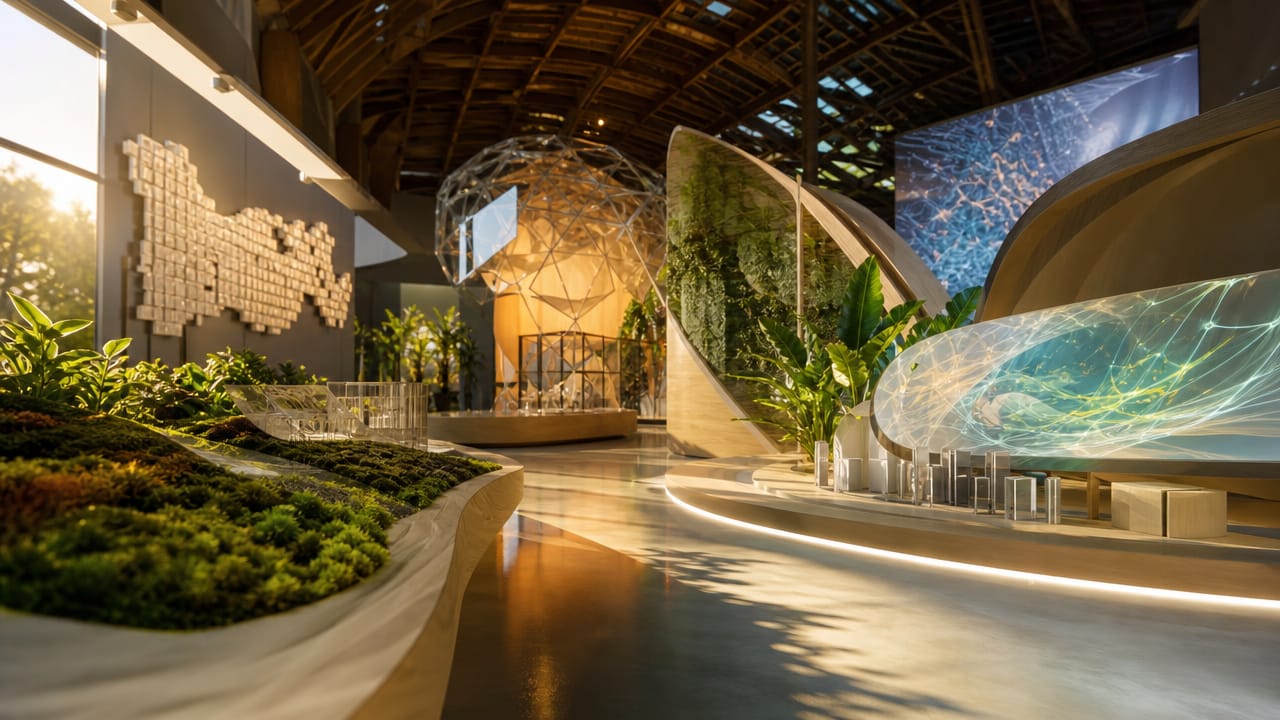
The most effective Australian trade show booth layouts will be planned as data capture ecosystems as much as spatial experiences. Smart check-ins, content triggers, and analytics dashboards will enable real-time adjustments to staffing, messaging, and branded product display zones. Strategic teams will pair high impact stand graphics with functional meeting pods on stands to support deeper conversations, while testing exhibition stand ideas across events and feeding insights into broader customer experience strategies.
For CMOs, the opportunity lies in integrating exhibition programs into always-on journeys, rather than treating them as isolated campaigns. That means aligning spatial storytelling with broader brand platforms, ensuring exhibition stand design assets scale across markets, and setting clear measurement frameworks for ROI. Marketers who experiment now with australian trade show booth layouts, immersive technology, and data-led optimisation will be better placed to justify investment as budgets tighten and expectations rise.
Input your search keywords and press Enter.