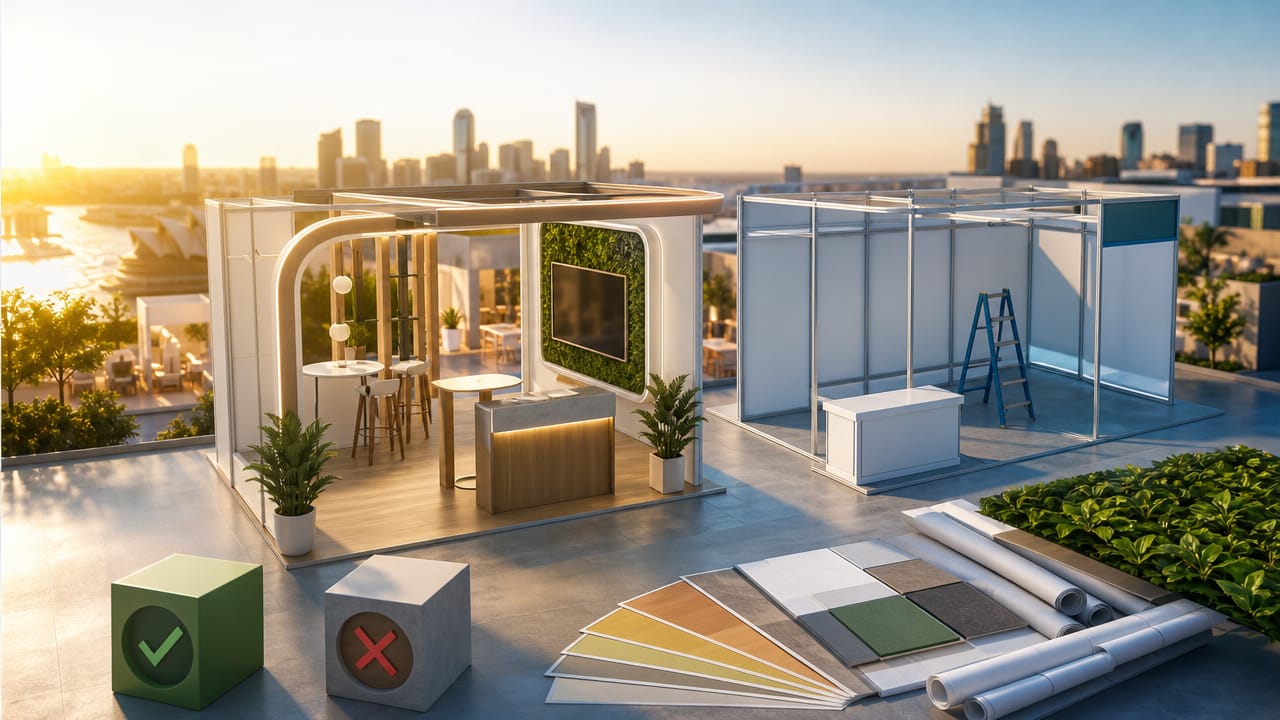



Successful shell scheme customisation in Australia starts with understanding what your venue and organiser will allow. Shell scheme packages usually include hired walls, a fascia, carpet, and basic lighting, forming a blank but regulated canvas. Before planning, read the event manual carefully so your ideas comply with wall heights, fixings, and electrical rules. Treat the structure as temporary and shared, not something you can modify permanently. This mindset will help you create a polished presence while avoiding repair charges or safety issues.
Shell scheme customisation refers to enhancing the standard framework using graphics, accessories, and furniture that sit within the existing structure. Australian exhibitors can upgrade Shell Scheme Stands with wall-to-wall prints, counters, and technology, provided they do not damage the panels or breach fire regulations. Focus on visual clarity before adding extra elements, particularly in smaller footprints. Many teams start with a simple sketch or 3D mock-up showing traffic flow and display zones. This planning step reduces last-minute changes during bump-in.
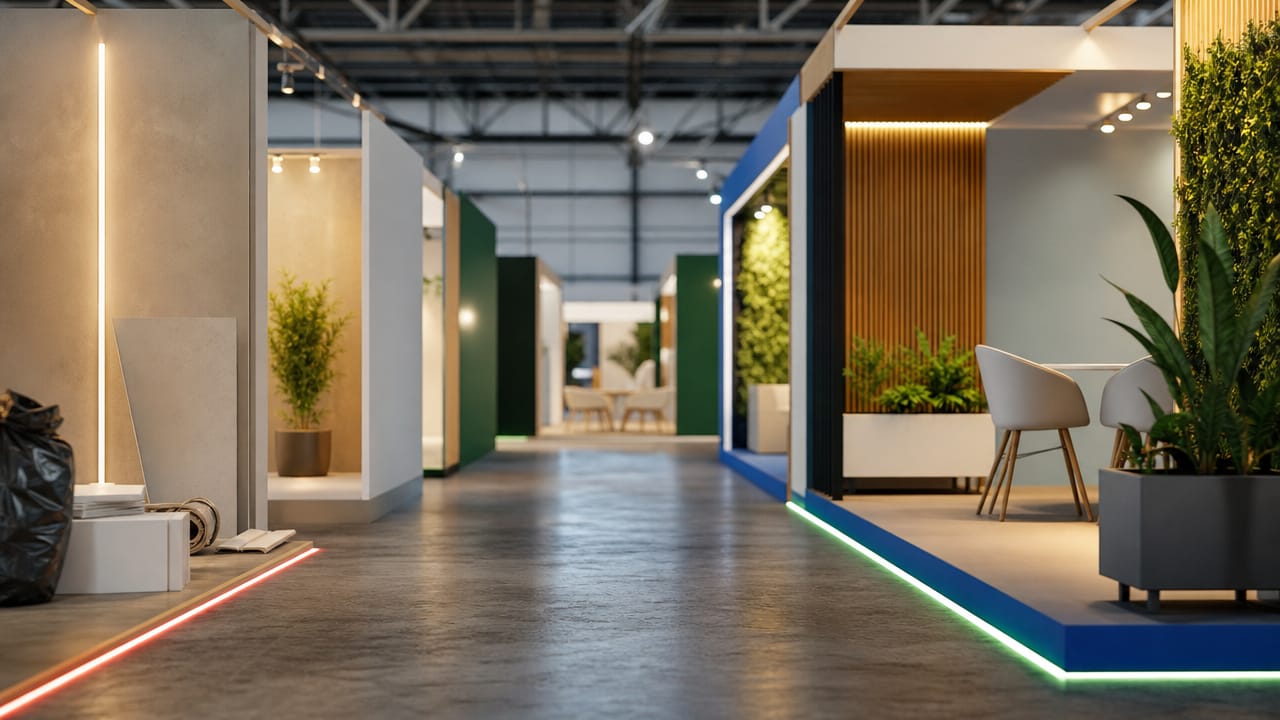
Start every design by confirming the exact panel sizes so your shell scheme graphics fit neatly without trimming on site. High-resolution printed panels or fabric skins can transform standard shell scheme displays into a cohesive brand environment. Use focused lighting, such as LED spotlights or lightboxes, to highlight hero products and key messages at eye level. Consider modular counters for shell schemes when you need storage, product display, and a reception point in one neat unit. Keep your colours, fonts, and imagery consistent with your wider marketing.
Never drill, screw, or glue directly into the panels, as most organisers strictly prohibit this and will pass on repair fees. Instead, use Velcro, approved hooks, or tension systems when customising a shell scheme stand, especially for heavier items. Avoid cluttering a small space; small shell scheme booth tips usually emphasise clear lines of sight and open entrances to invite visitors. Be cautious with electrical items and always use licensed contractors for power connections. Finally, do not leave print production to the last week, as rush jobs limit your options.
To maximise impact, think beyond the walls and consider improving a basic shell booth with simple, portable displays for shell schemes, such as tablet stands, brochure holders, or fabric towers. Banners for shell scheme walls can help communicate core messages quickly, particularly in busy exhibition aisles. Exhibitors with tighter budgets can explore budget shell scheme branding ideas like partial wall wraps combined with reusable pull-up banners. Some teams experiment with DIY shell scheme wall graphics while still following venue guidelines on materials and fixings. For more guidance on planning and options, consider speaking with an exhibition specialist who regularly works with a shell scheme booth format.
Many exhibitors ask whether they can remove walls, integrate custom structures, or reconfigure their space entirely. These requests are often possible, but they depend on organiser approval, fire exits, and neighbouring stands, so always seek written confirmation. When assessing shell scheme booth layouts, prepare a simple floor plan showing product zones, demo areas, and conversation spaces. Clarify installation and dismantle times in advance so your contractor can schedule labour appropriately. If you are ready to develop a more effective stand, review your objectives, budget, and timeline, then consult an expert to refine your design and ask detailed questions about shell scheme graphics and construction options.
Input your search keywords and press Enter.