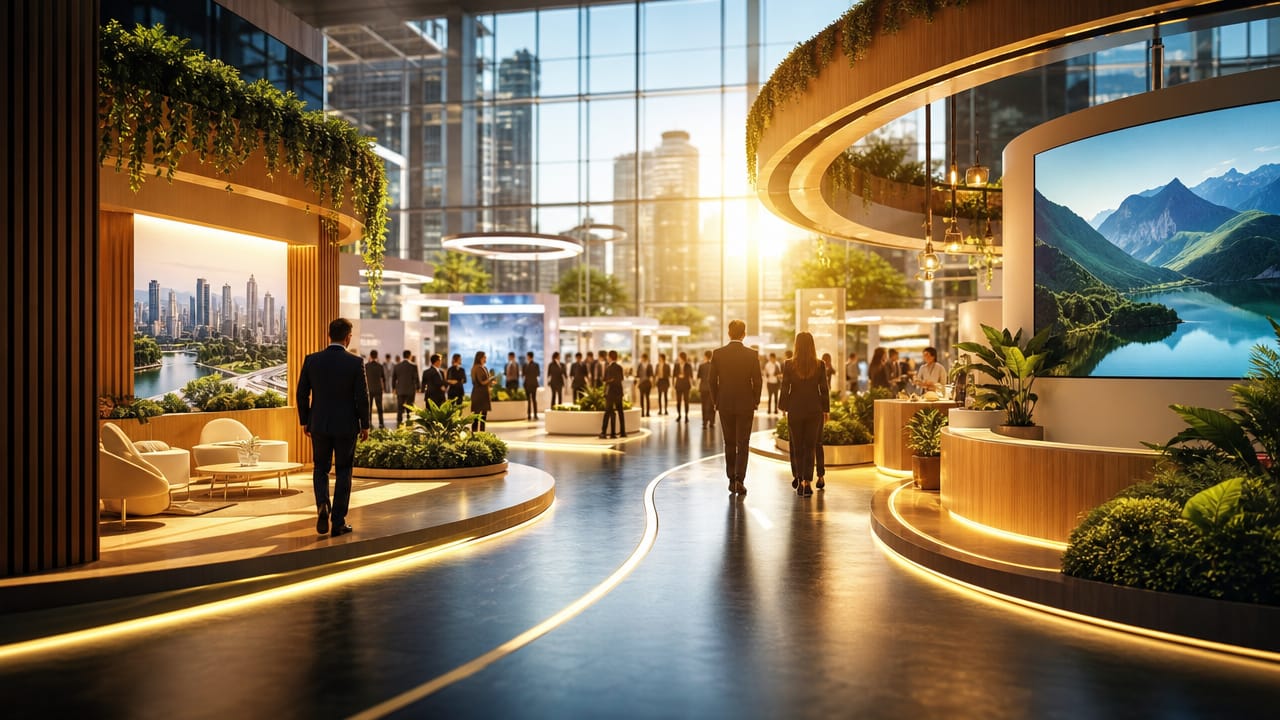



Strategic Layouts: Optimizing Visitor Movement at Trade Shows is fast becoming a core priority for Australian marketers under pressure to turn every square metre into measurable results. In crowded venues like ICC Sydney or Melbourne Convention and Exhibition Centre, the stand’s physical plan now ranks alongside messaging and digital as a performance driver. The question for exhibitors is no longer just how a stand looks, but how effectively it moves people through a clear narrative and into conversation.
At the heart of effective Exhibition Stand Design is a deliberate approach to visitor movement, informed by data and grounded in behavioural insight. Brands weighing up exhibition booth design options can now choose from tested layout models that emphasise openness, logical pathways and clearly signposted focal points. The most successful trade show stand layouts are planned with specific visitor journeys in mind: quick scanners, targeted buyers and existing clients all require slightly different paths, touchpoints and dwell spaces to stay engaged.
Peninsula and island configurations suit exhibitors chasing high-volume engagement, using open plan exhibition booths to invite movement from multiple aisles. Linear and corner footprints, common for small footprint exhibition stands, can still perform strongly by angling walls, opening corners and placing hero products or screens where lines of sight naturally converge. Many Australian teams now work with australian custom stand design specialists to zone their space into clear areas for demos, meetings and casual browsing, reducing bottlenecks while protecting space for serious buyer discussions.

Once the core footprint is set, subtle design choices shape how people actually move. High impact stand graphics facing the aisle can answer the basics in a second: who you are, what you do and what’s new this year. Inside the stand, interactive product display areas and simple directional cues such as contrasting floor finishes, overhead banners and lighting changes can nudge visitors deeper, supporting brand-led exhibition layouts that feel intuitive rather than scripted.
Comfort, accessibility and compliance underpin every strong movement strategy, with Australian venues enforcing strict fire and crowd-management standards. Exhibitors balancing ambition with practicality avoid cramming too much hardware into limited footprints, instead using smart exhibition stand ideas to make compact spaces work harder. Many now review data from heatmaps, lead-capture tools and previous custom exhibition stands to refine their next concept, comparing paths and dwell times against outcomes. For teams wanting to de-risk their investment, speaking with a specialist in Exhibition Stand Design can help pressure-test concepts, adapt them to local regulations and choose the mix of solutions most likely to convert at the next event.
To plan your next show, map likely visitor journeys, compare alternative layouts and test how your content, demos and staffing plan support them. If you’re unsure where to start, book a consultation with an independent trade show strategist or stand designer to benchmark options and clarify which movement-focused approach best fits your objectives, budget and event calendar.
Input your search keywords and press Enter.