



Staffing Strategies for a Successful Trade Show Experience in Australia are increasingly under scrutiny as exhibitors look for smarter, more measurable ways to lift ROI. In a competitive events market, the people on your stand often determine whether a visitor becomes a qualified lead, a future partner or a missed opportunity. Australian trade show staffing strategies are shifting from ad hoc rostering to structured, data-informed approaches that align tightly with commercial objectives.
Front-line stand staff now shoulder multiple responsibilities: live product demonstrations, qualification of prospects, and seamless use of digital lead capture tools. A well-designed trade show staffing plan defines how many people you need at each stage of the day, and which capabilities matter most, from technical product knowledge to confident, on-brand presentation skills. Exhibitors increasingly use an exhibition planning checklist to map these needs early, identifying where specialists, salespeople and brand ambassadors each add the most value across the show.
Effective staffing for exhibition stands starts with clear objectives around lead volume, decision-maker engagement and pipeline conversion. From there, organisers can build a pre-show staffing checklist that covers role descriptions, availability, training requirements and technology access. Many teams now use an exhibition planning timeline to coordinate recruitment of local casual staff, confirm travel for interstate personnel and lock in daily rosters well before bump-in. This forward planning helps avoid last-minute gaps while keeping labour costs under control.
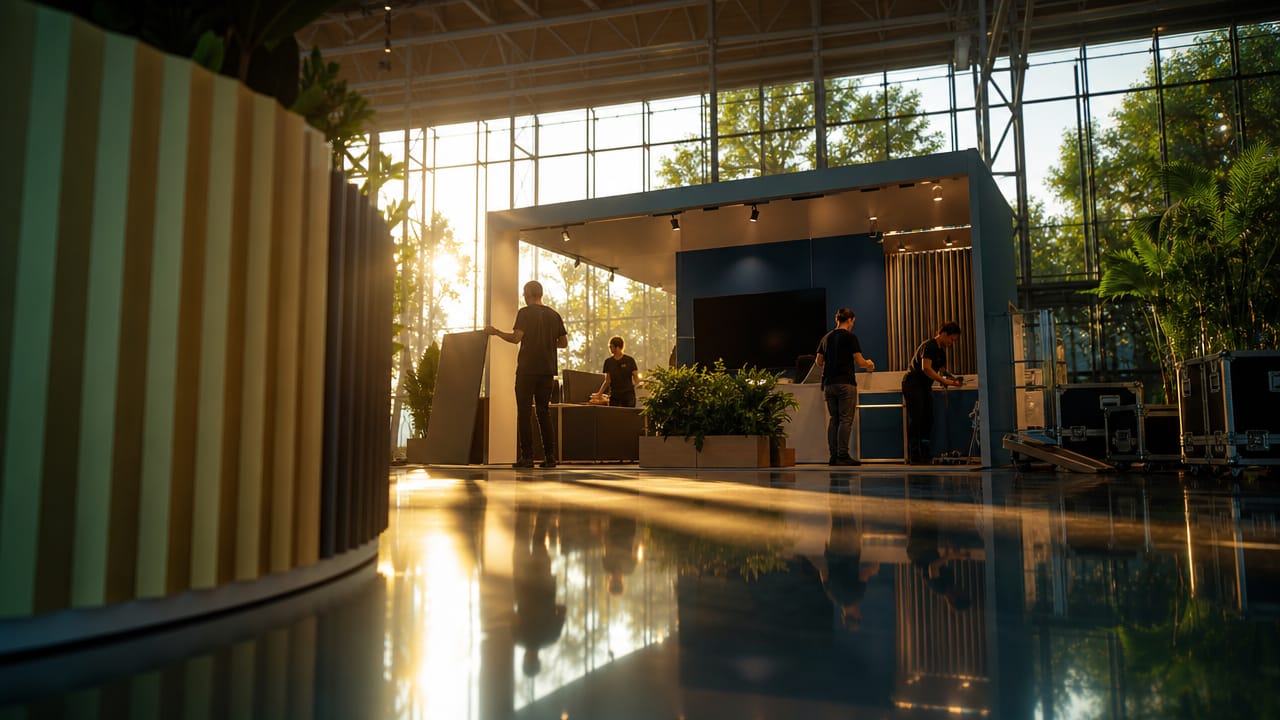
For many brands, a hybrid model works best: a core in-house team supported by local temporary staff who understand regional expectations and industry language. Structured exhibition stand host training can cover qualifying questions, escalation rules and how to handle peak foot traffic. A concise pre-event staff briefing guide keeps messaging consistent, while exhibition team preparation sessions allow role-playing of typical attendee scenarios. Clearly defined onsite stand team roles—such as greeter, product specialist, presenter and closer—reduce confusion and shorten wait times for visitors.
Post-show, a structured review of staffing data, conversion rates and visitor feedback helps refine future strategies. Comparing outcomes against your original trade show staffing plan reveals whether you invested in the right mix of seniority, specialist skills and casual support. For organisations looking to sharpen their approach, consulting independent experts in Exhibition Stand Planning can provide objective insight on team composition, technology choices and process design. To make your next event count, assess your current staffing model, test new configurations, and consider speaking with a specialist about how to optimise your stand team for the Australian market.
Input your search keywords and press Enter.