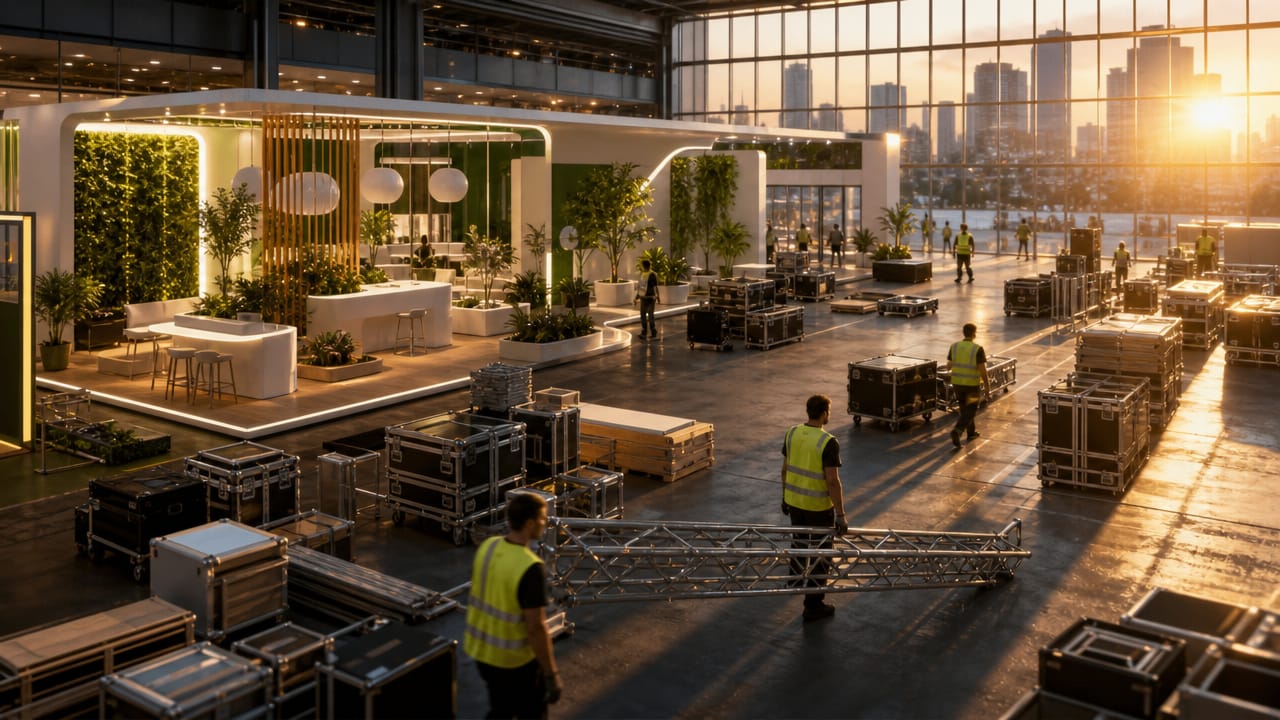



Pre-Show Organisation: Strategies for a Flawless Execution
For Australian exhibitors, pre-show organisation can determine whether a stand buzzes with qualified conversations or sits idle. Industry benchmarks suggest that planning in the weeks and months before an event can drive a majority of eventual lead volume. The primary focus should be on clear objectives, disciplined logistics and effective Exhibition Stand Planning that align with commercial goals. When exhibitors approach trade show preparation as a structured campaign rather than a one-off event, they are better placed to justify budgets and measure ROI. Poor planning, by contrast, often shows up as freight delays, confused staff and missed sales opportunities.
Robust pre-show exhibition planning starts by defining whether success means leads, sales, product launches or stakeholder meetings. From there, teams can select the right show, confirm stand size and location, and build an exhibition planning checklist that covers design, messaging and data capture. A clear exhibition stand briefing process ensures marketing, sales and operations are aligned on target audiences, key messages and follow-up steps. Australian venues also require attention to accessibility, WHS regulations and venue services when finalising layouts. Treating this as an australian exhibition planning guide helps standardise how your organisation prepares across different events.
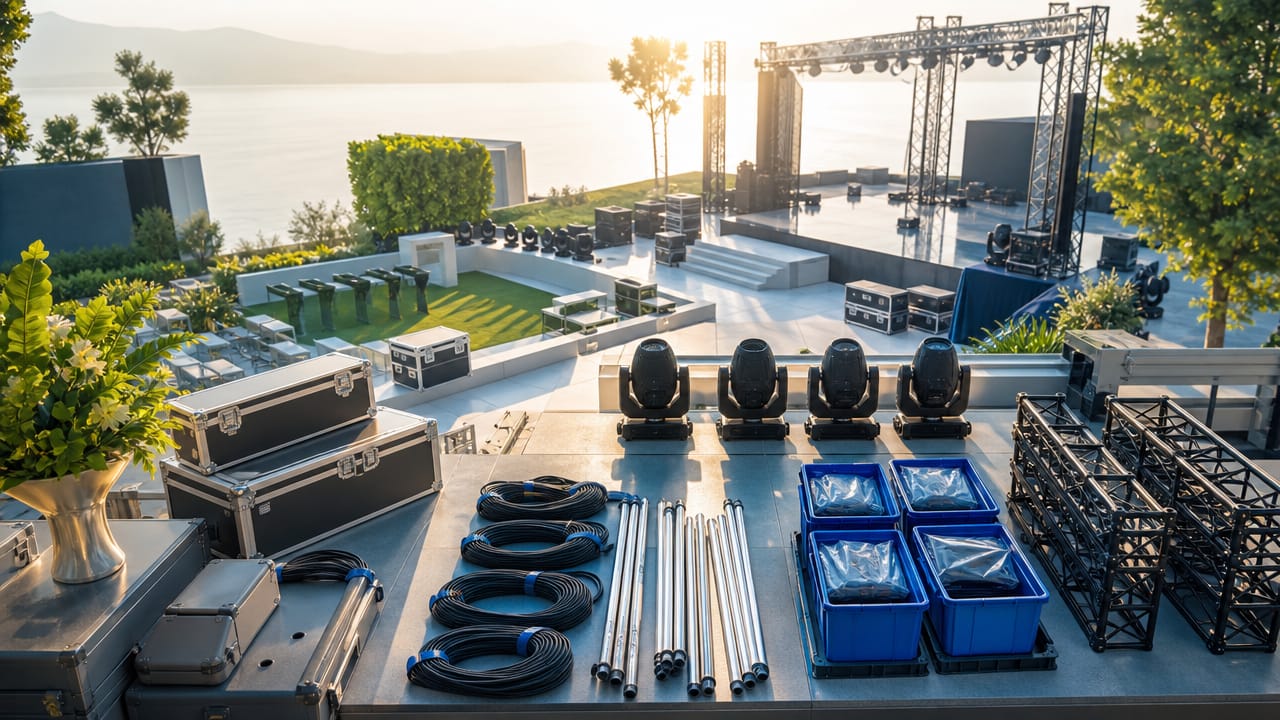
A practical exhibition planning timeline for major Australian shows usually starts 9–12 months out with event selection, objectives and early floor-space negotiations. Six months before the show, stand design, supplier briefs and content plans should be underway, supported by an event stand planning schedule that flags key deadlines. Around three months out, many organisers lock in travel, accommodation and freight while finalising an exhibitor preparation checklist to manage remaining tasks. The final month becomes a pre-event exhibition timeline focused on staff training, lead capture tools and confirmed meetings. This structured trade show readiness plan reduces last-minute stress and protects against delays or supplier issues.
Australian exhibitors can mix email, social media, paid ads and PR into a trade show planning guide tailored to their budget and audience. Email nurtures existing relationships, while LinkedIn and retargeting can reach specific sectors ahead of showtime. For lean teams, outsourcing parts of the workload to specialist agencies can streamline logistics, creative and measurement, effectively turning a complex event into a managed service. External partners are particularly useful for organisations scaling up or tackling larger national shows for the first time. When assessing support options, compare experience, transparency, reporting capability and how well their approach fits your exhibition planning timeline.
For exhibitors mapping their next event, treating pre-show organisation as a strategic program rather than an administrative task is critical. Consider which activities you can manage in-house and where expert partners could improve execution or measurement. Reviewing options against cost, capability and your internal bandwidth will help determine the right mix of DIY planning and outsourced support. As you refine your approach, use each show to improve your event stand planning schedule and data capture processes. To benchmark your current approach and explore tailored support, speak with an exhibition specialist who can review your plan and help you compare the most effective solutions.
Input your search keywords and press Enter.