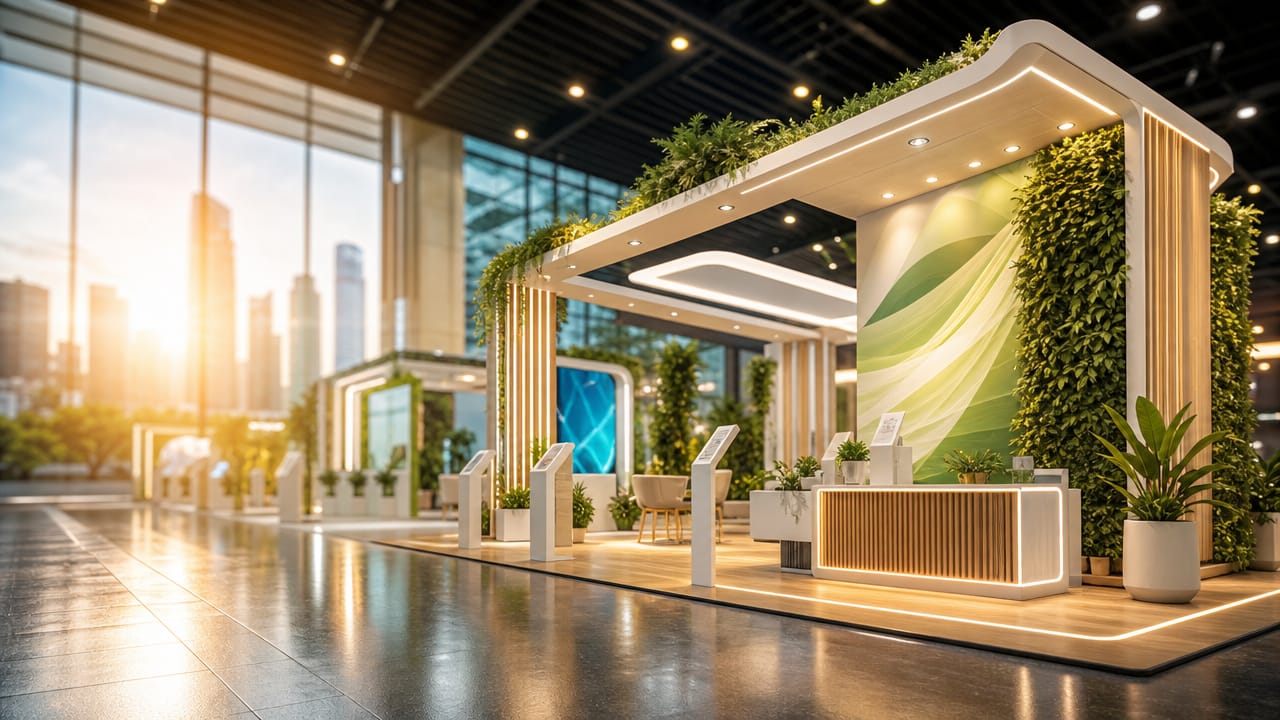



Maximising visibility and engagement in busy expo halls starts with strategic Exhibition Stand Design that can cut through noise in seconds. In Australia’s major venues, from ICC Sydney to MCEC, exhibitors in high-traffic aisles face intense competition for attention as visitors move quickly, scanning rather than stopping. To perform in this environment, brands need solutions that combine clear messaging, smart layouts and technology that genuinely supports conversations rather than distracting from them. The goal is to help time-poor visitors instantly recognise who you are, what you offer and why they should step inside your stand.
For visibility in fast-moving corridors, designers increasingly favour simplicity over intricate exhibition booth design concepts that only work up close. Large-format headlines, bold colour blocking and tiered signage positioned above head height help stands stand out across the hall. Australian trade show stand design specialists often recommend modular systems so brands can adjust height, footprint and branding to suit different venues and audience profiles. Branded product display walls allow you to hero key ranges while keeping the rest of the space clean and navigable. When planned well, these structures act as both visual anchor and storytelling canvas.
High traffic stand layouts typically prioritise openness, with corner and peninsula configurations performing strongly in busy aisles. Open corner booth concepts minimise physical barriers, making it easy for visitors to step off the carpet line without feeling trapped. Clear pathways guide people from first glance to product discovery and then into conversation zones, supporting effective visitor flow exhibition booths. Low or recessed counters prevent staff from creating a “wall” that blocks engagement, while discreet storage keeps the footprint tidy. For brands investing in custom exhibition stands, zoning is crucial so product, demo and meeting areas each serve a distinct purpose.
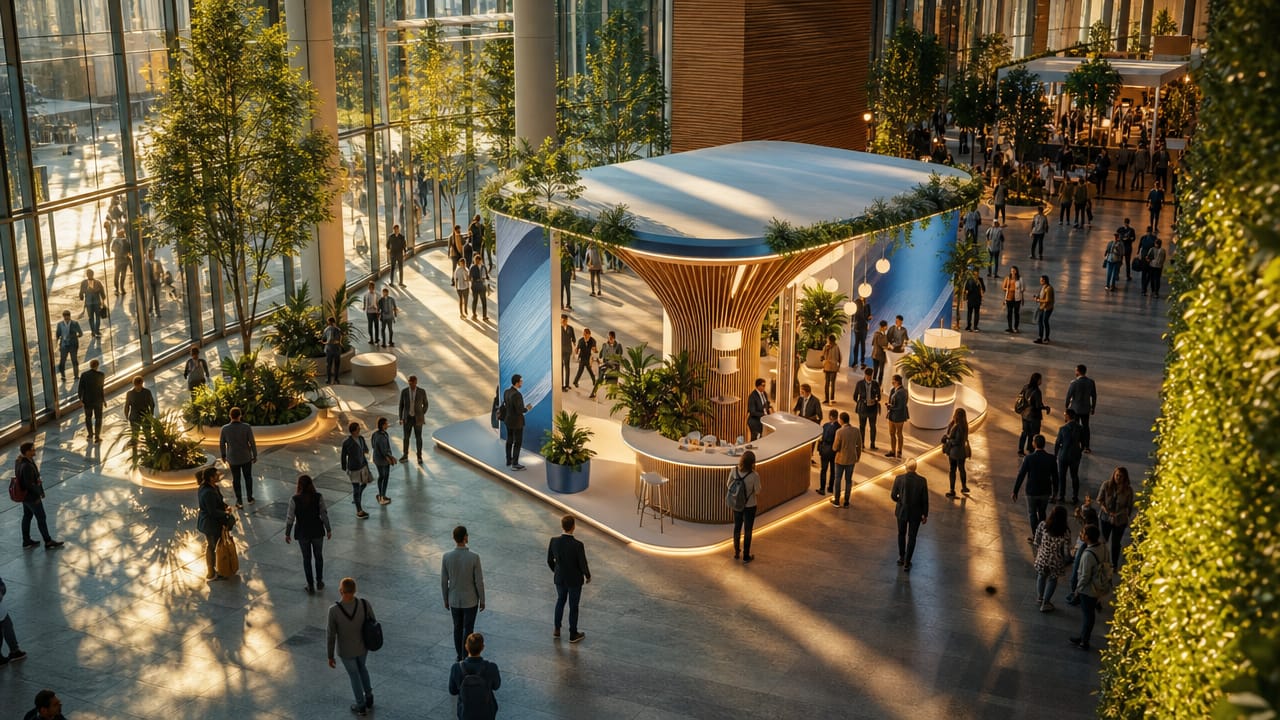
Well-planned lighting ideas for exhibition stands can be the difference between blending in and becoming a focal point on the aisle. Accent lighting on hero products, warm tones over discussion areas and restrained use of LED walls all help direct attention. Interactive demo zone design gives passers-by a reason to pause, whether through timed presentations, touchscreens or simple prize activations. For some brands, immersive custom stand interiors with AR or VR can work, but they must be easy to access and quick to understand in a crowded setting. The most effective exhibition stand ideas combine visual impact with smooth queuing and data capture so every interaction has a clear next step.
Specialist agencies can translate these decisions into practical concepts, particularly for brands navigating their first major show. Experienced teams benchmark options for Exhibition Stand Design, test messaging hierarchy and model sightlines using venue-specific floorplans. They can advise when a lean modular kit is sufficient and when to invest in more tailored solutions for high-profile events. Many also provide end-to-end services covering design, build, logistics and on-site support, reducing risk for marketing teams. To move forward, compare your objectives against different stand approaches, then speak with an expert to scope layouts and experiences that will work in your next Australian expo calendar.
Input your search keywords and press Enter.