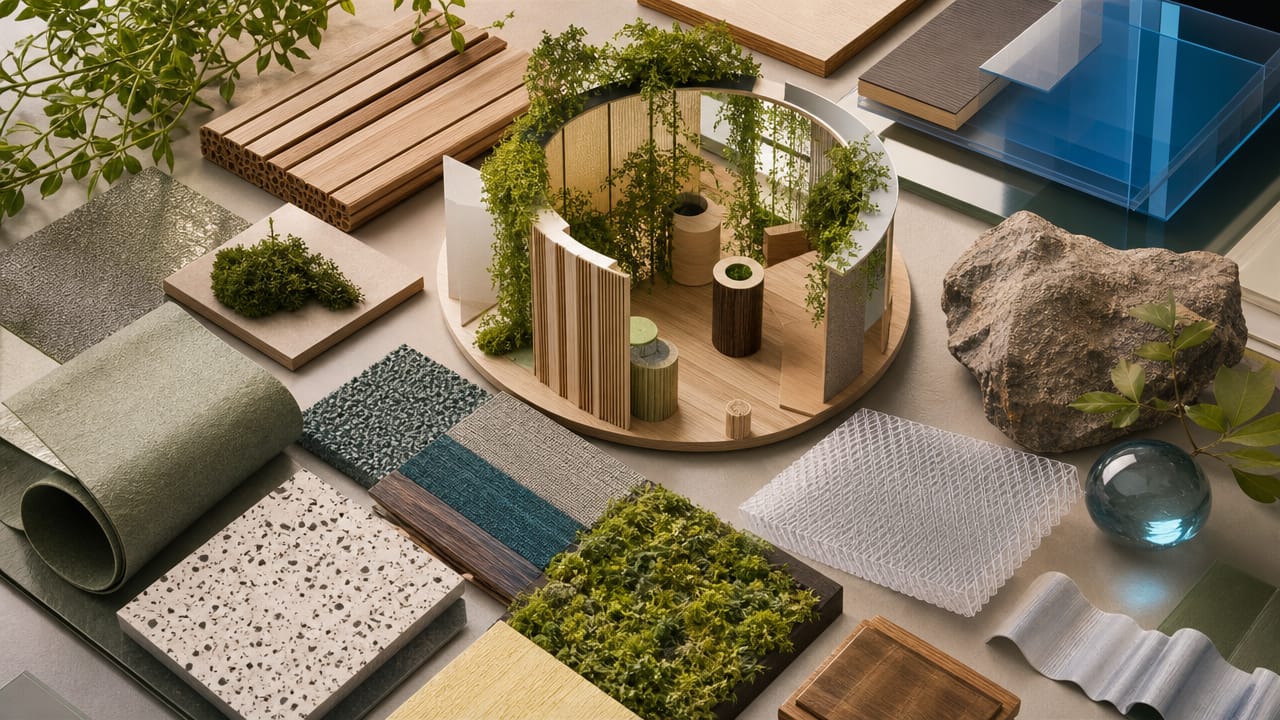



Innovative Materials: What’s New in Stand Construction for 2026?
In 2026, the winners on the show floor will be the brands that treat material innovation as a strategic decision, not a last-minute procurement line item.
For Australian marketers planning their 2026 programs, innovative Exhibition Stand Design materials are no longer a nice-to-have. They sit at the intersection of sustainability targets, cost control, and audience engagement. With many venues and organisers tightening waste rules and pushing net-zero agendas, stand construction must evolve. The shift is from one-off builds to systems thinking, where every panel, frame, and finish is evaluated for lifecycle impact. Leaders are using material strategy as proof of brand credibility on ESG, not just aesthetics.
Across australian trade show stand design, the move towards circularity is reshaping project briefs. Lightweight modular stand systems built from reusable aluminium profiles, recycled plastics, and engineered timber are replacing MDF-heavy builds that head straight to landfill. Forward-looking brands are standardising kits that reconfigure across cities and stand sizes, supported by durable exhibition wall panels that can be re-skinned, not replaced. This approach lowers freight, storage, and labour while creating a consistent visual language across multiple events.
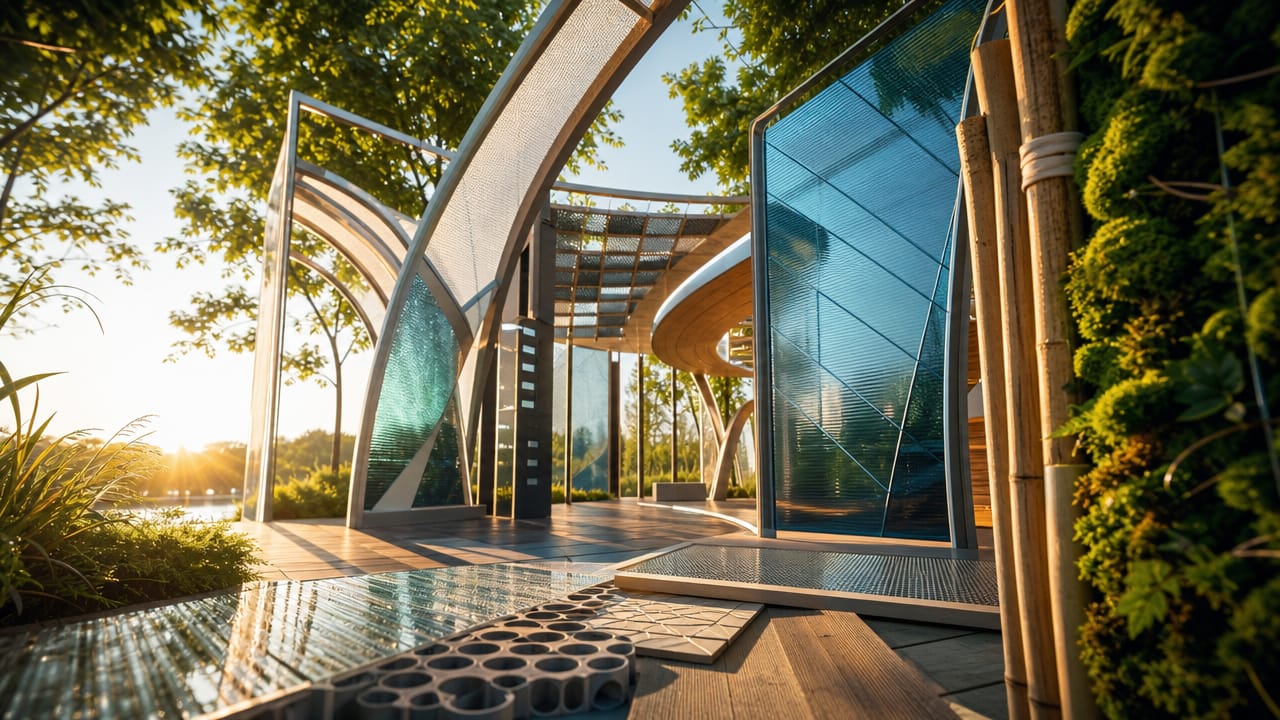
Next generation stand construction is being driven by bio-based and smart surfaces that perform multiple jobs at once. Bamboo and agricultural-waste panels reduce embodied carbon while delivering premium custom stand materials that feel warm and tactile. Mycelium plinths and claddings are emerging as conversation starters for sustainability-focused brands. In parallel, smart textiles, photochromic films, and textured surfaces for booths enable subtle motion, light play, and tactility without relying on more screens. Recycled PET acoustic panels are becoming standard in exhibition booth design to improve sound quality and dwell time.
For decision-makers evaluating exhibition stand ideas, the key is to link material choices directly to commercial outcomes. Innovative exhibition materials can shorten pack-in windows, cut rigging and freight costs, and simplify compliance reporting. Well-specified custom exhibition stands also hold their value over multiple seasons, reducing redesign churn and creative fatigue. High impact booth finishes are no longer about gloss alone; they signal technical literacy, environmental responsibility, and operational discipline. Brands that build internal material guidelines now will brief faster and negotiate more effectively with suppliers.
Australian exhibitors that treat materials as a strategic lever will shape the next wave of Exhibition Stand Design leadership. Review your current fleet of stands, identify components that can be standardised or re-engineered, and benchmark them against 2026-ready solutions. Then, collaborate with a specialist to map a three-year roadmap for structure, finishes, and technology integration. By the time competitors start experimenting, you will be refining proven systems, not trialling untested concepts. To explore how emerging materials can future-proof your program, speak with a stand strategist and reassess your exhibition plan holistically today.
Call to Action: Ready to rethink your stand construction for 2026? Review your current materials strategy and speak with an Australian exhibition specialist to align innovation, sustainability, and ROI across your next event cycle.
Input your search keywords and press Enter.