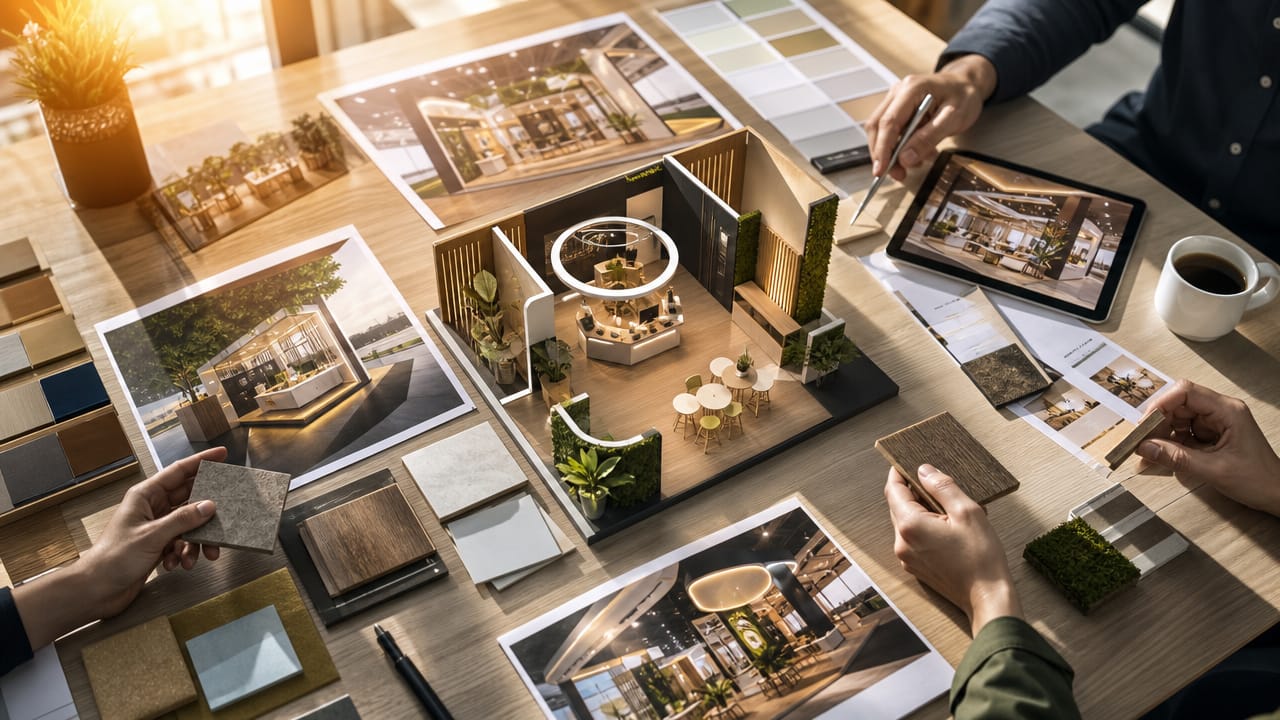



Australian retailers and exhibitors are discovering that traditional shelves, basic plinths and static graphics are no longer enough to cut through the visual noise of modern events and shopping centres. In this context, Exhibition Stand Design has shifted from a cosmetic concern to a core driver of visibility, engagement and sales. When displays fail to tell a clear product story, even strong brands can quietly lose market share to more immersive competitors.
From Sydney’s ICC to the Melbourne Convention and Exhibition Centre, visitors are assaulted by colour, sound and movement at every turn. Outdated exhibition booth design that relies on cluttered layouts, flat posters and poor lighting struggles to hold attention for more than a few seconds. Displays that ignore how Australians browse, photograph and share experiences risk becoming expensive background scenery instead of memorable destinations.
The biggest danger is not always empty aisles; it is the slow, hard-to-measure loss of impact over multiple events and retail campaigns. When stands lack immersive custom stand lighting, clear product hierarchy or logical wayfinding, visitors tire quickly and drift towards more polished competitors. Staff end up over-explaining basics that should be obvious at a glance, while high impact trade show graphics on neighbouring stands capture the social media moments and organic buzz.

Several practical indicators suggest it is time to rethink your approach. Foot traffic skirts around your zone instead of flowing naturally through visitor-friendly exhibition floorplans, leaving dead corners and awkward bottlenecks. Prospects show strong interest in meetings, but conversions drop once they see the physical set-up. People pause to take photos of neighbouring custom exhibition stands while walking past yours without a glance, signalling that your story is not visually compelling enough.
Misconceptions also keep many Australian brands stuck in low-impact modes. Teams assume that only global players can afford innovative exhibition stand layouts or advanced AV, when in reality compact exhibition display solutions and strategic lighting can transform even modest footprints. Others over-invest in one-off builds while neglecting adaptable structures that support evolving product ranges and changing consumer expectations across multiple events.
Ignoring these issues can mean pouring budget into sponsorships, logistics and staffing while your products fail to stand out in critical buying windows. Reviewing your current approach against modern exhibition booth design principles can reveal simple layout, lighting and messaging changes that dramatically lift engagement. Before your next show or retail rollout, consider a structured assessment and, if needed, speak with an expert to benchmark your display performance and map out practical improvements.
Input your search keywords and press Enter.