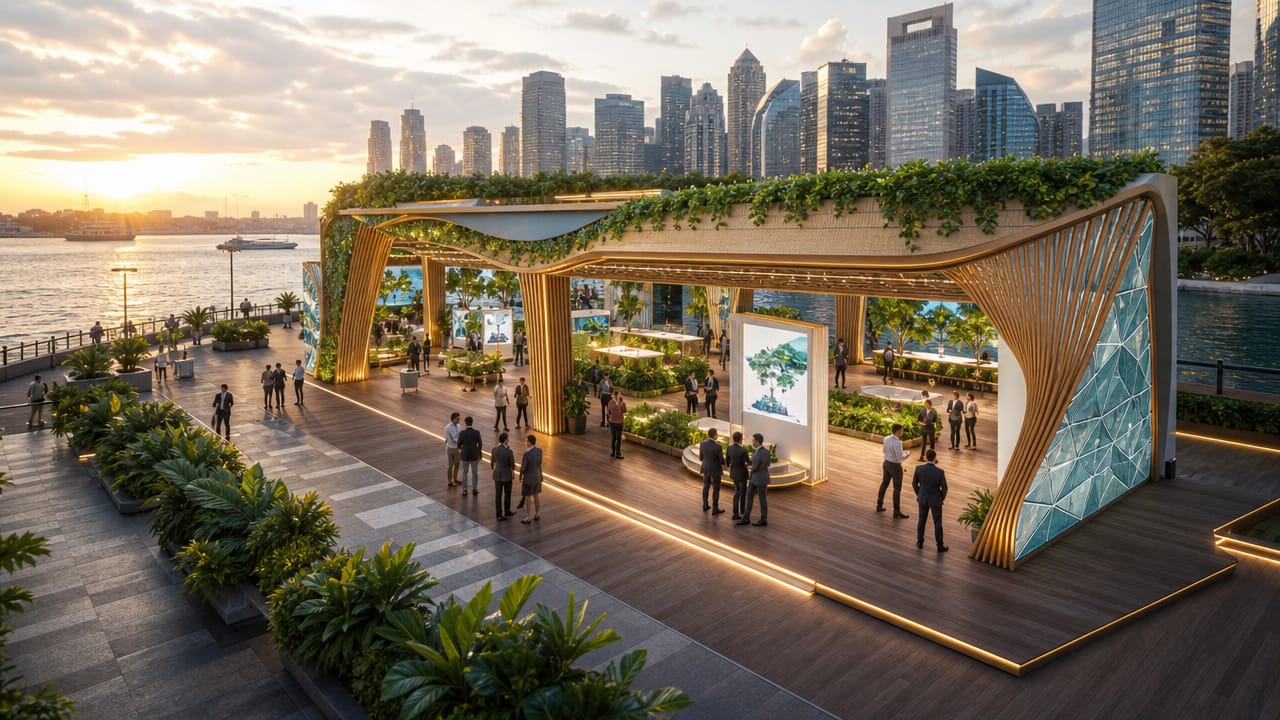



For Australian exhibitors, Exhibition Stand Planning is now a strategic discipline rather than a last-minute task. Trade shows like Australasian Gaming Expo and Fine Food Australia demand stands that combine design, technology, and measurement. To stay ahead of trends, you need a structured approach that aligns creative choices with commercial objectives, stakeholder expectations, and venue regulations. This article explains key concepts, current trends, and practical planning steps so you can make informed decisions for your next event.
Modern stands function as immersive brand environments, not just product displays. Storytelling, clear messaging, and guided visitor journeys help your team qualify leads and hold better conversations. Australian exhibitors are embracing sustainable materials, modular structures, and flexible layouts that adapt to different footprints. These trends support both brand consistency and cost control across multiple events. A simple exhibition planning checklist can help you compare new ideas against your budget, goals, and operational constraints.
Current design preferences favour clean, minimalist architecture with bold but controlled branding. Open meeting areas, soft seating, and acoustic features create comfortable spaces for serious discussions amid noisy halls. Many exhibitors now use fabric graphics, FSC-certified timber, and reusable frames to reduce waste while maintaining a premium look. When mapping your exhibition planning timeline, ensure design decisions allow for approvals, engineering checks, and organiser sign-offs. This reduces the risk of last-minute compromises that weaken impact.
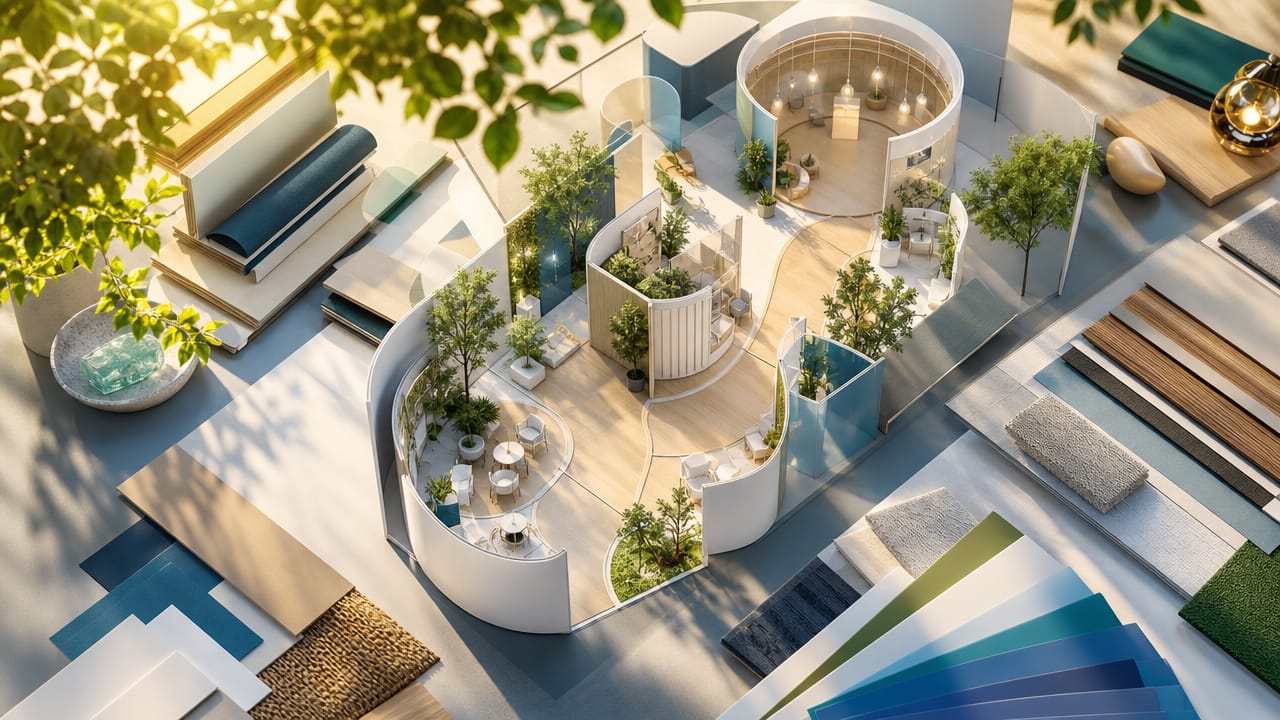
Technology should support clear outcomes such as lead capture, product education, or appointments. Touchscreens, QR codes, and compact LED walls work well when interactions are short, intuitive, and easy to access from main aisles. Reserve AR or VR for use cases where physical demonstration is difficult, such as large machinery or complex workflows. During strategic exhibition stand planning, map where each digital element sits within the visitor journey. This helps avoid cluttered sightlines and confusing traffic flows.
Australian organisers increasingly assess how stands are built, transported, and re-used. Modular systems that reconfigure across cities and sectors reduce waste, storage, and labour costs. They also support an exhibition stand planning timeline australia that considers multiple events rather than a single show. When reviewing concepts, ask builders how components can be updated with new graphics, lighting, or technology. This ensures your investment remains relevant as branding, messaging, and product ranges evolve.
To stay ahead of trends, treat trade show preparation as a continuous learning process, not a once-off project. After each event, review performance with sales and marketing: lead quality, dwell time, and meeting volume. Use these insights to refine your pre-show exhibition planning guide, including budgets, content, and staffing. Many teams find it helpful to develop a detailed exhibition planning calendar that covers at least 12 months of activity. If you are unsure where to begin, consider speaking with an exhibition specialist who can walk you through advance exhibition planning steps, answer specific questions, and help you create a practical, repeatable process for your next stand.
Input your search keywords and press Enter.